Turkey’s European side is a fundamental part of the Balkan Peninsula, sharing a geographic and historical identity shaped by centuries of intermingled culture. Interestingly, the very name of the region, “Balkan,” is derived from the Turkish word for “mountain,” reflecting the rugged terrain that defines the landscape. For modern travelers, the Ottoman influence is the cultural thread that ties the entire region together, with its historical point of origin in Istanbul.
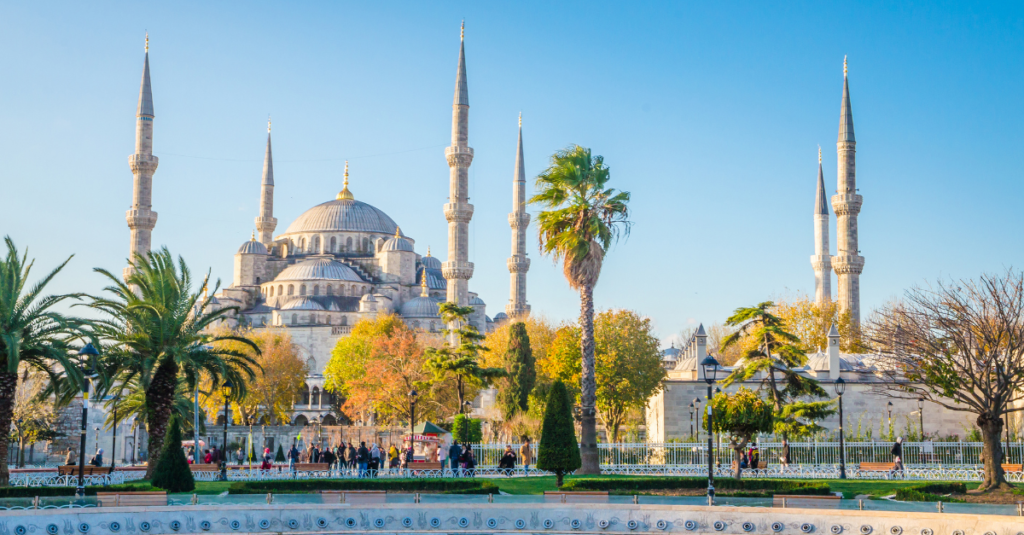
Tracing Architectural Echoes
You can trace this heritage through the magnificent architecture found in specific locations throughout the Balkans.
- Mostar, Bosnia and Herzegovina: The iconic Stari Most (Old Bridge) was built by the Ottomans in the 16th century and remains a powerful symbol of the region’s history.
- Sarajevo, Bosnia and Herzegovina: The Baščaršija bazaar is a historic marketplace built by the Ottomans where the lasting influence of the empire is still visible in every alley.
- Skopje, North Macedonia: This city boasts one of the largest Ottoman-era bazaars in the Balkans, home to historic mosques like the Mustafa Pasha and traditional inns like Kapan Inn.
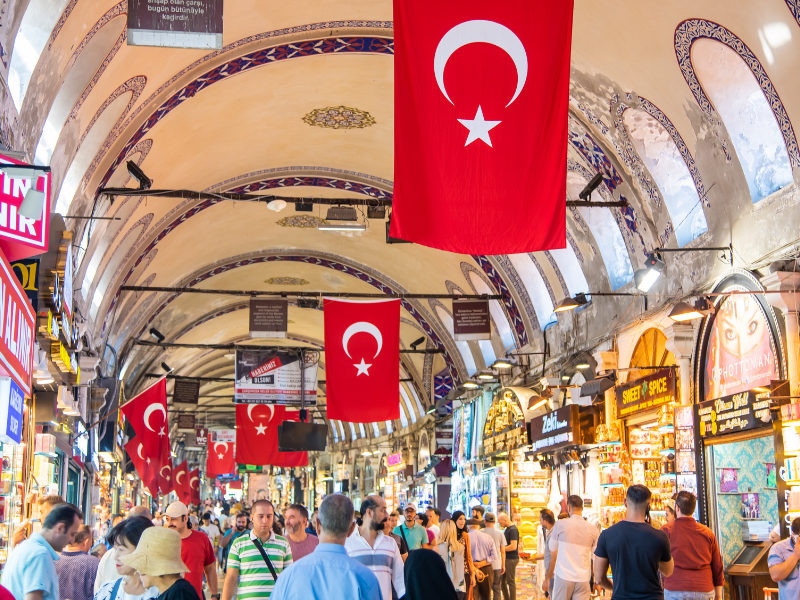
A Culinary History Lesson
The Ottoman influence is perhaps most “flavorful” in the region’s cuisine, which acts as a historical map of past empires.
- Traditional Staples: Savory favorites like burek (flaky phyllo pastry) and sarma (minced meat and rice wrapped in cabbage) are breakfast and comfort food staples from Bosnia to Bulgaria.
- The Coffee Ritual: The region’s ubiquitous café culture is rooted in the tradition of unfiltered Turkish coffee, often prepared in a special pot called a đezva.
- Sweet Endings: Dessert across the Balkans almost always features honey-drenched phyllo dough treats like baklava, another direct inheritance from Turkish tradition.
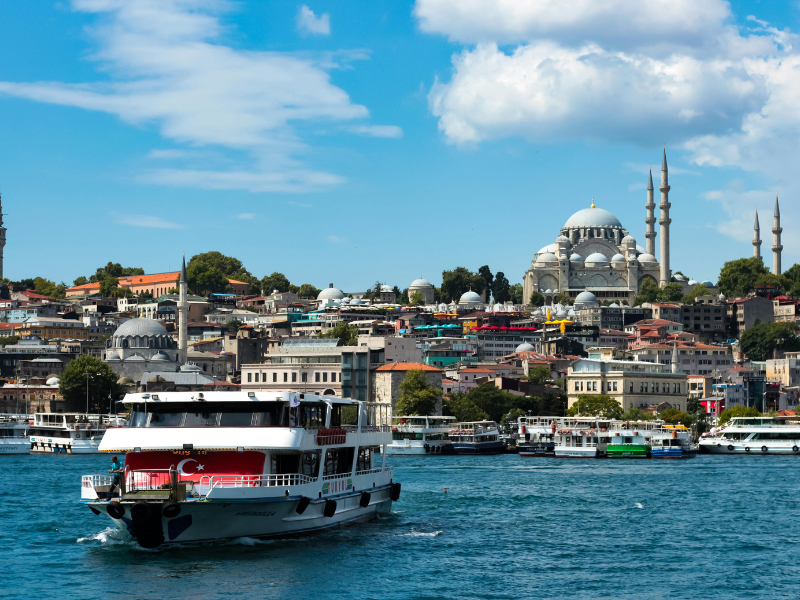
2026 Strategic Travel Planning
If you are planning to visit Turkey as part of a broader Balkan itinerary in 2026, there are several logistical factors to consider:
- Mandatory Insurance: Unlike some other regions where it is optional, travel medical insurance is a mandatory requirement for obtaining a Turkish e-visa.
- Flight Hubs: Istanbul remains a critical transit point for the region, with many travelers flying via Turkey to reach Balkan hubs like Skopje or Sofia.
- New Digital Rules: While Turkey is not part of the Schengen zone, the EU is planning to implement the ETIAS travel authorization in late 2026, which will affect how citizens of many visa-exempt countries move between Turkey and neighboring Balkan nations like Greece or Bulgaria.
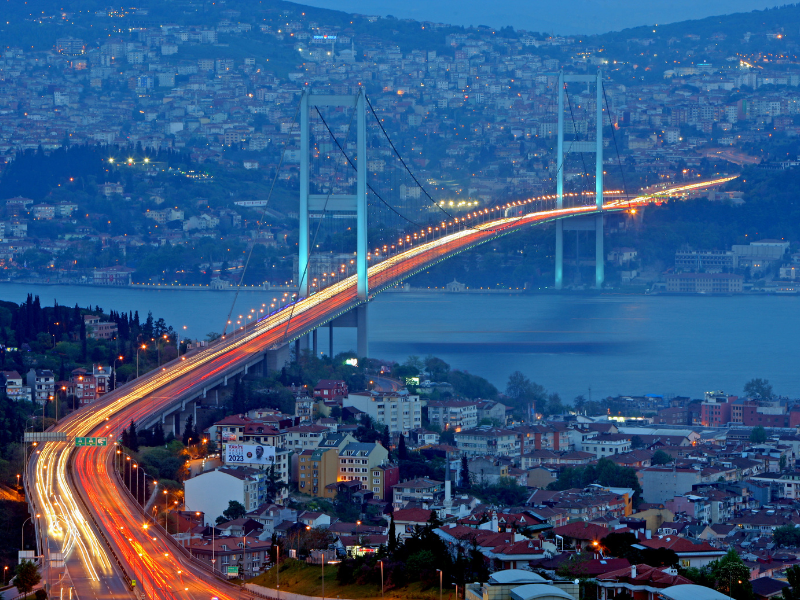
Success in the Balkans requires embracing its “unfiltered” charm, a spirit some locals describe as “stupid and I like it that way,” where ancient traditions and unpolished hospitality often provide a richer experience than over-touristed Western capitals [47, 807, previous conversation]. By understanding the Ottoman roots of the region, you can turn a simple holiday into a deep dive through history.