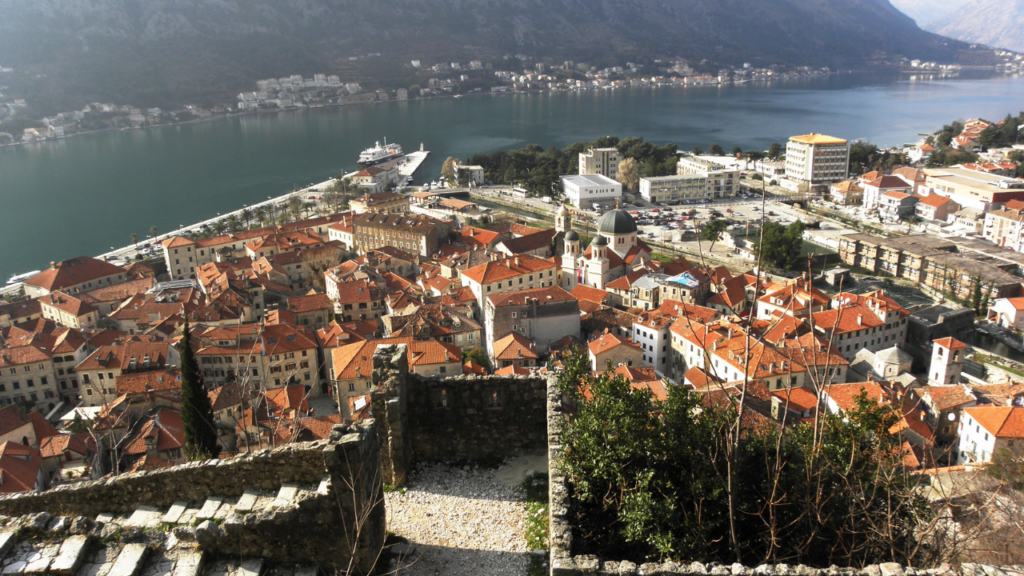
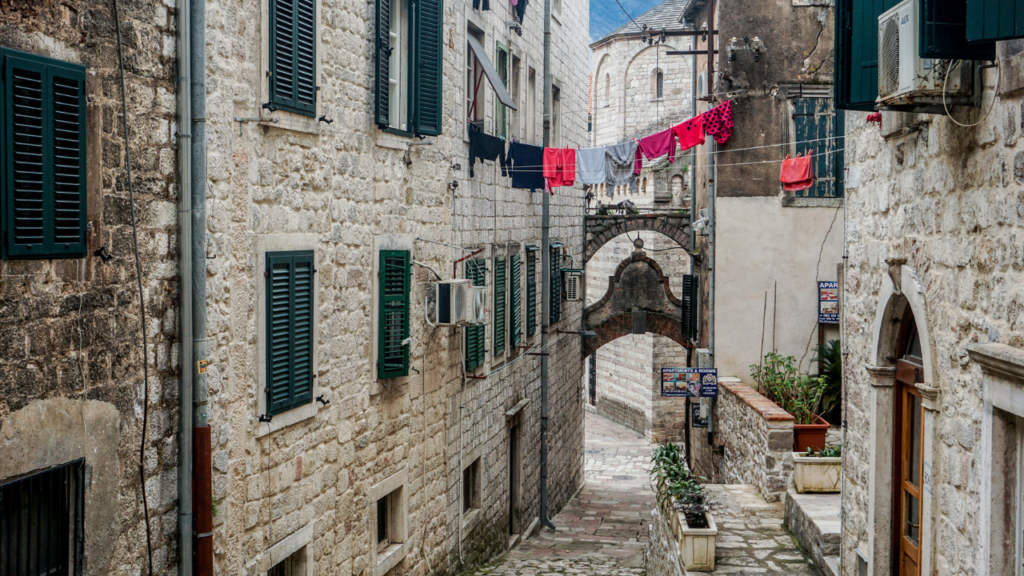
Observing a solo mother navigating the steep, ancient limestone stairs of Kotor or the narrow alleys of Gjirokastër reveals a phenomenon that feels like a glitch in the modern world
. There is a distinct, almost reflexive “masculine energy” in this region that prioritize the physical safety and ease of families in the public square
. In the Balkans, “safety is a standard,” not a concern; local men often step in to assist with heavy strollers or luggage before a request for help can even be formulated
The Outsider Epiphany: Chivalry Without an Agenda
While navigating the “wooden mountains” of the interior, it is a common occurrence for a local driver to perform a literal U-turn on a rural road just to ensure a traveling parent is not lost or in need of water
. In urban centers like Sarajevo, a waiter noticing a struggling parent might provide a free dessert and charge a dying phone—telling them there is “no hurry”—offering a level of human ease that modern Western “efficiency” has completely engineered out of the parenting experience
The defining characteristic of this behavior is the total lack of an underlying agenda. Observations in other Mediterranean or North African hubs suggest that masculine help frequently comes with a subsequent request for a phone number or social media handle; however, the Balkan standard is to assist with quiet respect and simply move on
. It is the art of modeling “community fussiness”—where the body moves to help before the brain even processes the action
Western Paralysis vs. Regional Duty
This stands in jarring contrast to the hyper-independence demanded of mothers in the West. In Western capitals, the “invisible labor” of parenting is often met with indifference, and the act of a man offering help is frequently paralyzed by a modern social anxiety of appearing patronizing or violating a woman’s “strength”
. The result is a lonely, exhausting landscape where mothers are left to perform the grueling physical labor of travel entirely on their own. In the Balkans, the protective instinct remains a cultural reflex, rooted in a collective duty to maintain a restorative environment for the most vulnerable
EDIT: For those already typing that this is merely a byproduct of “outdated” patriarchal structures, look at the practical safety outcomes. When a woman can leave expensive equipment or a bike unlocked outside a guesthouse in rural Bosnia with zero issues, it suggests this masculine energy isn’t about dominance—it’s about a refusal to let a family feel isolated or at risk in the public square
. Western “independence” often feels like just another word for being left alone to strug