Welcome to the ultimate resource for your Balkan adventure! At Trav5.com, we are obsessed with finding the world’s most spectacular—and undervalued—destinations. In 2026, Montenegro is the undisputed crown jewel of the Adriatic.
Imagine a country smaller than Connecticut that packs in Venetian-era coastal towns, dramatic fjords, pristine beaches, and glacier-carved mountains featuring Europe’s deepest canyon. Oh, and you can drive across it in less than four hours.
Welcome to Montenegro.
While neighboring Croatia has long been the heavyweight of Adriatic tourism, Montenegro is stepping into the spotlight in 2026. Thanks to massive new infrastructure projects—like the stunning Princess Xenia Highway and Wizz Air’s massive flight expansion into Podgorica this year—traveling here has never been easier or more affordable.
Here is your Montenegro Travel Guide for 2026, packed with the latest costs, must-see destinations, and insider tips to help you build the perfect itinerary.
👉 Read similar article: Ulcinj 2026: Escape EES Friction and Find Time-Wealth
📌 Quick Answers for 2026 Travelers (At a Glance)
Short on time? Here is exactly what you need to know before booking your ticket:
- Currency: The Euro (€). Despite not being in the EU, Montenegro uses the Euro unilaterally.
- Daily Budget: €80 – €120 for mid-range travelers.
- Best Time to Visit: May, June, and September. The weather is golden, the Adriatic Sea is warm, and you skip the intense July/August cruise ship crowds.
- Language: Montenegrin (English is widely spoken in coastal hubs like Kotor and Budva).
- Getting There: New for 2026! Wizz Air just opened a major base in Podgorica, launching 14 new low-cost routes from cities like Paris, Rome, and Barcelona. Alternatively, you can fly into Tivat Airport or Dubrovnik (Croatia) and cross the border. +1
💶 How Much Does Montenegro Cost in 2026?
One of the biggest draws of Montenegro is its affordability. You get Italian-riviera vibes and Swiss-level mountain scenery at a fraction of Western European prices.
- Accommodation: A beautiful guesthouse or mid-range hotel with a view of the Bay of Kotor will run you €50–€90 per night. Luxury stays (like the famed Aman Sveti Stefan area) will cost premium rates, but budget backpackers can easily find hostels for €15–€25.
- Food & Drink: A three-course seafood dinner right on the water costs around €25–€35 per person. If you grab local street food like ćevapi (grilled minced meat) or a slice of pizza, expect to pay under €8. A pint of local Nikšićko beer? About €2.50.
- Activities: Exploring Old Towns is free! National park entrance fees (like Durmitor or Lake Skadar) usually cost around €3 to €5. A spectacular boat tour to Our Lady of the Rocks will cost around €10-€15.
- Adventure Sports: White-water rafting down the Tara River Canyon averages €45-€60 for a full-day excursion including lunch. Skiing in the winter? Lift tickets in Žabljak are still hovering around a ridiculously cheap €25/day.
Trav5 Cost Tip: Restaurants inside the old town walls of Kotor and Budva charge a 20-30% premium. Walk 10 minutes outside the historic walls to eat where the locals eat and slash your food budget!
🗺️ Top 5 Best Places to Visit in Montenegro
1. Kotor & The Bay of Kotor (Boka Kotorska)
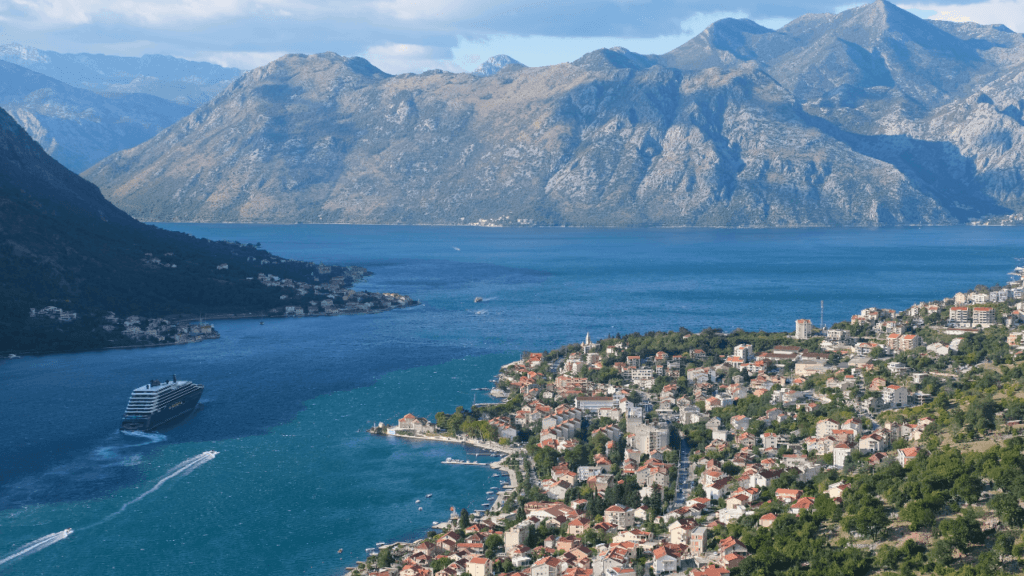
Often described as Europe’s southernmost fjord, the Bay of Kotor is a marvel. Deep blue water is completely ringed by towering limestone mountains. At the heart lies Kotor Old Town, a UNESCO-listed labyrinth of cat-filled alleyways, marble piazzas, and the 12th-century St. Tryphon Cathedral.
- Must Do: Climb the 1,350 ancient stone steps to the Castle of San Giovanni for the ultimate panoramic sunset view.
- Insider Tip: Kotor is a major port. To avoid the daily influx of cruise ship passengers, do your exploring before 9:00 AM or after 5:00 PM.
2. Budva & Sveti Stefan
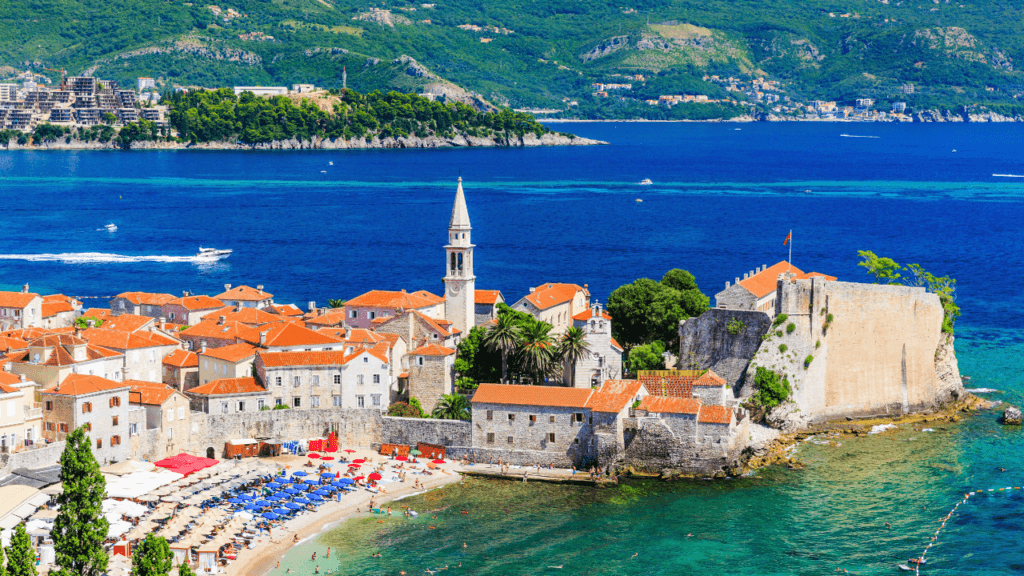
If Kotor is for history, Budva is for beaches and nightlife. The Budva Riviera features lively beach clubs, a charming fortified Old Town, and a vibrant summer party scene.
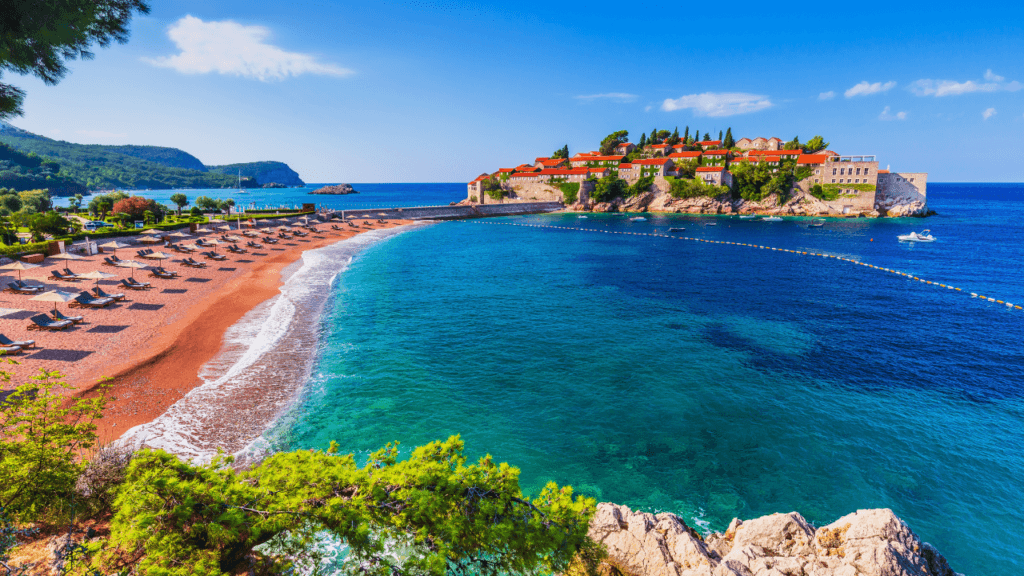
- Must Do: Take a short drive down the coast to gaze at Sveti Stefan—a 15th-century fortified island village connected to the mainland by a narrow tombolo. While the island is a private luxury resort, the public beaches directly flanking it offer million-dollar views for free. +1
3. Durmitor National Park & Tara River Canyon
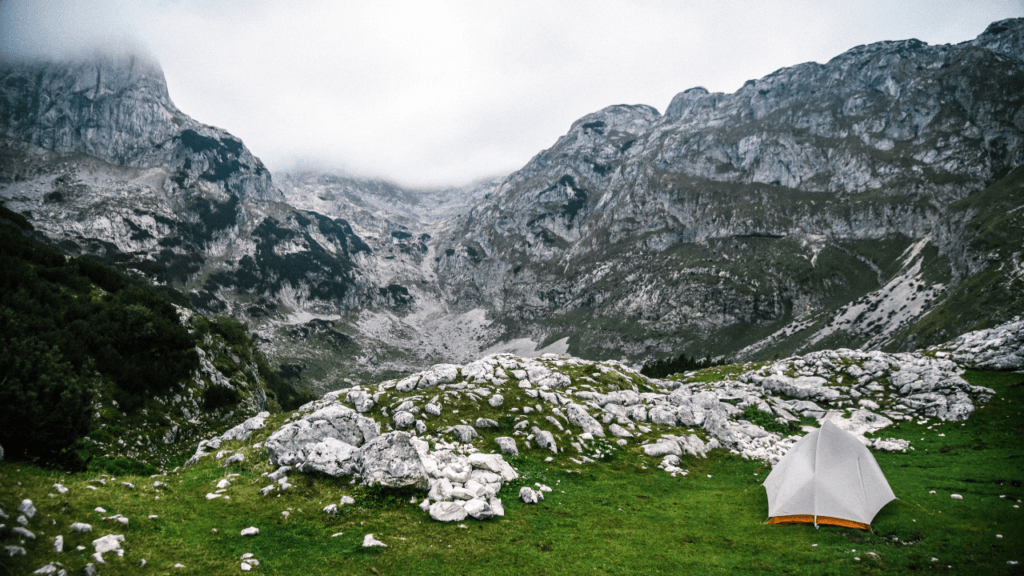
Head north to experience Montenegro’s wild side. Durmitor is a UNESCO-listed alpine wilderness that feels worlds away from the Mediterranean coast.
- Must Do: Raft the Tara River Canyon, which at 1,300 meters deep is the deepest gorge in Europe. Don’t forget to walk the loop around the breathtaking Black Lake (Crno Jezero), surrounded by dense pine forests. +1
4. Lake Skadar
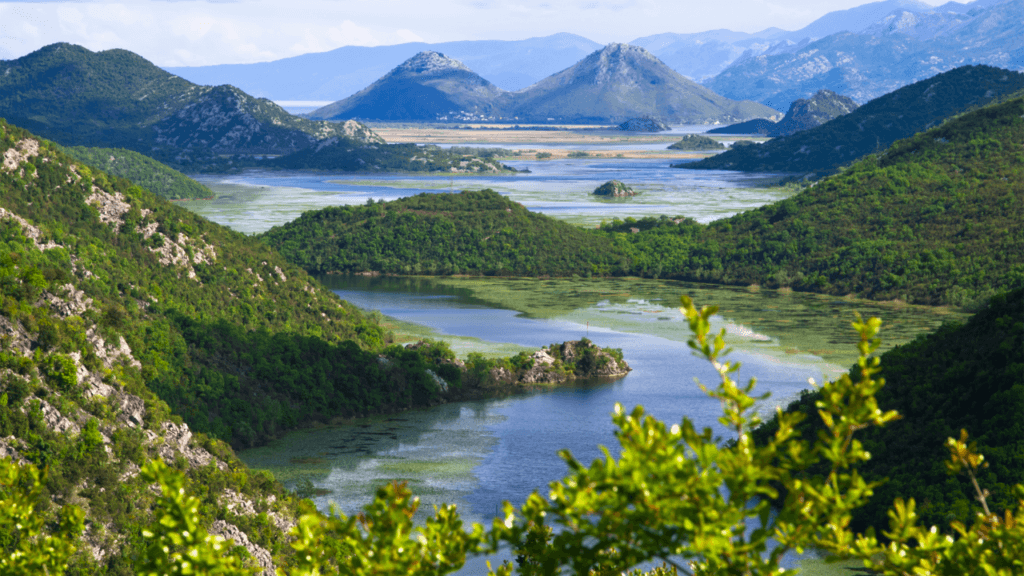
Shared with neighboring Albania, Lake Skadar is the largest lake in the Balkans and a paradise for bird watchers, nature lovers, and wine enthusiasts.
- Must Do: Rent a traditional wooden boat from the village of Virpazar. Afterward, visit the local Crmnica wine region for a tasting of Vranac, Montenegro’s signature bold red wine.
5. Cetinje & The Lovćen Serpentine
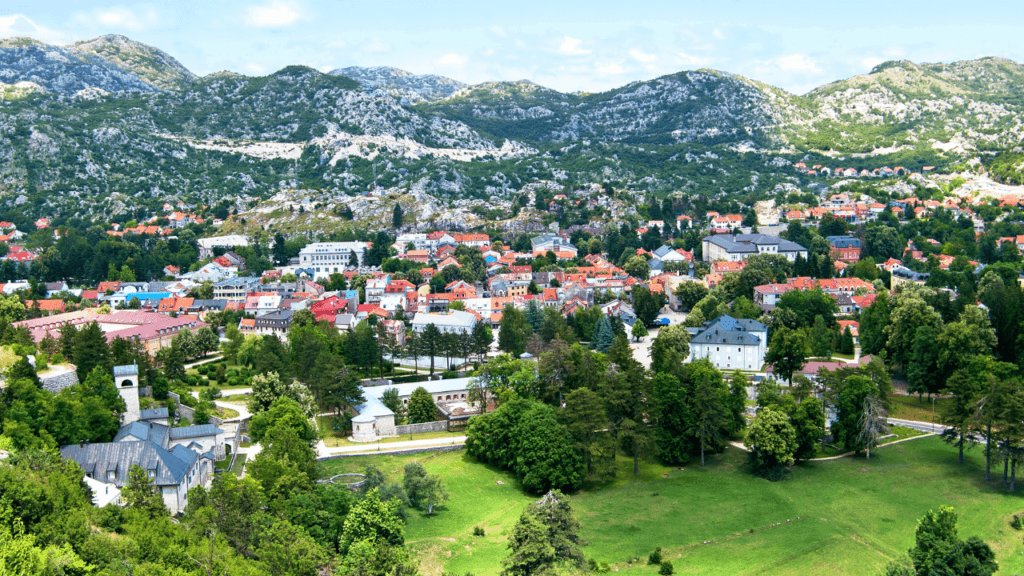
Cetinje is the Old Royal Capital of Montenegro, sitting quietly in a mountain valley. It’s rich in history, ancient monasteries, and embassies-turned-museums.
- Must Do: Drive the road connecting Kotor to Cetinje over Mount Lovćen. This legendary route features 25 hair-raising hairpin turns offering jaw-dropping views of the Bay of Kotor from above.
- 👉 Read similar article: Budva 2026: Escape EES Friction in This Adriatic Gem
🚦 Important Travel Tips for 2026
1. The New EU Entry/Exit System (EES) Impact While Montenegro is not in the EU or the Schengen Zone, many travelers fly into Dubrovnik, Croatia (which is EU/Schengen) and drive across the border. Be aware that the EU’s new biometric Entry/Exit System (EES) is fully rolling out. Expect slightly longer digital processing times at the Croatia-Montenegro land border—factor this into your airport transfer times!
2. Rent a Car (It’s Worth It) Public buses run reliably between coastal towns, but they are slow and don’t easily reach the spectacular northern mountains. Renting a car gives you ultimate freedom. Thanks to the newly opened Princess Xenia Highway (the Bar-Boljare stretch), driving from the capital city of Podgorica up to the northern mountains now takes a carefree 30 minutes instead of a nail-biting two hours.
+1
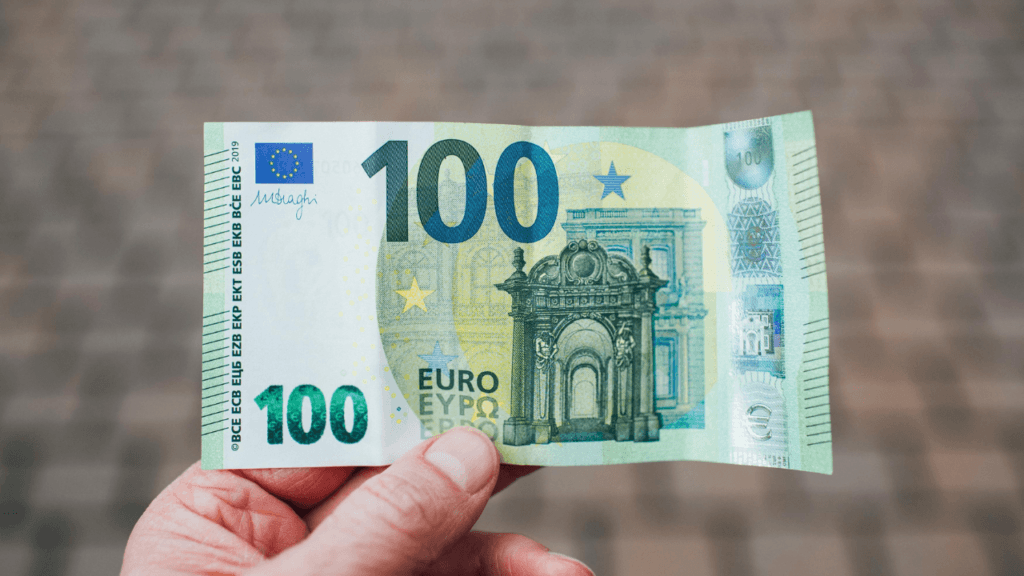
3. Cash vs. Card Credit cards are widely accepted in hotels, supermarkets, and established restaurants in Budva and Kotor. However, always carry a stash of Euro notes for small cafes, national park entrances, bakery runs, and local tipping.
Ready to Explore the Balkans?
+1
Montenegro in 2026 is the perfect intersection of affordability, accessibility, and untouched natural beauty. Whether you’re hiking the dramatic peaks of Durmitor or sipping espresso in a Venetian square by the Adriatic Sea, this tiny nation guarantees a massive adventure.
👉 Read similar article: 10 Things Digital Nomads Must Own in 2026: Survival Guide
Have you booked your trip to Montenegro yet? What are you most excited to see? Drop your questions in the comments below, and the Trav5 team will help you plan your itinerary!