Western Europe is overcrowded, and the Mediterranean coastline is pricing out average backpackers. If you are looking for an authentic European adventure without the overwhelming crowds, you need to look inland.
As one of the premier non-Schengen Balkan countries, North Macedonia is the ultimate reset button for digital nomads and a goldmine for adventurous travelers. It offers dramatic mountain ranges, deep-rooted history, and some of the best hospitality on the continent.
Here is exactly how to navigate one of the absolute best hidden gems in the Balkans.
🇲🇰 Quick Facts for Travelers
| Currency | Macedonian Denar (MKD). Roughly 61 MKD = €1. Cash is essential outside major cities. |
| Visa Status | Non-Schengen. Perfect for resetting 90-day tourist limits. |
| Daily Budget | €35–€55 per day (Hostel/budget hotel + local meals + bus transit). |
| Safety | Exceptionally safe. A prime destination for solo female travel in the Balkans. |
Where to Go: The Route Less Traveled
Most visitors make the mistake of only visiting the capital for a day before moving on to Greece or Serbia. To actually experience the country, you need at least a week.
1. Skopje: The City of Statues and Bazaars
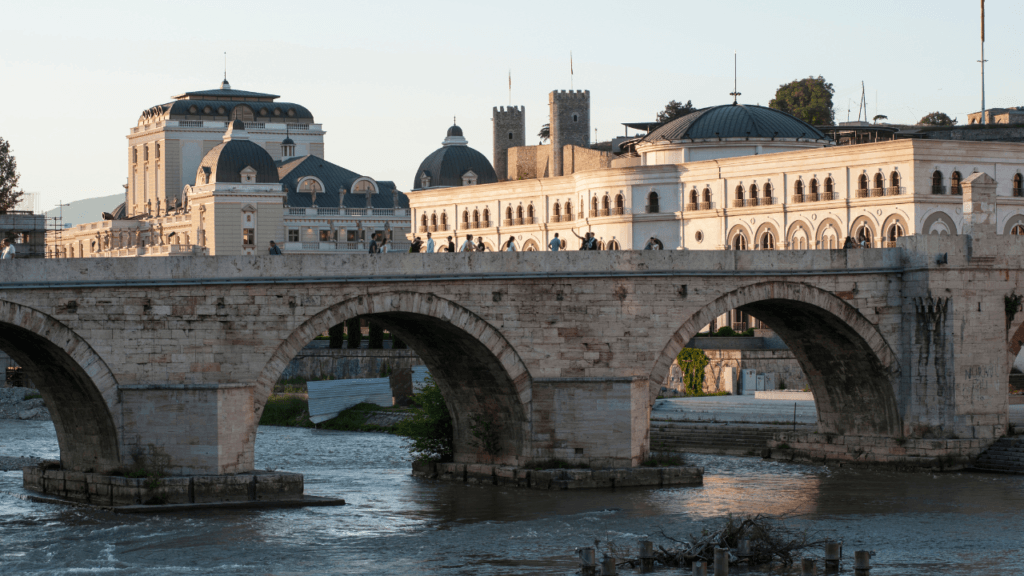
Skopje is brilliantly bizarre. Following the “Skopje 2014” project, the city center was flooded with massive bronze statues, neoclassical facades, and a towering statue of Alexander the Great. It feels like a mix between a grand European capital and a theme park.
- The Vibe: Cross the 15th-century Stone Bridge into the Old Bazaar. It’s the second-largest Ottoman bazaar in Europe outside of Istanbul. Sip strong Turkish coffee, wander the cobblestones, and grab a cheap plate of kebapi (grilled meat).
- Local touch: You will likely notice the city’s street dogs. Unlike in many other parts of the world, Skopje’s strays are typically tagged, vaccinated, well-fed by locals, and remarkably friendly to visitors.
2. Matka Canyon: The Emerald Escape
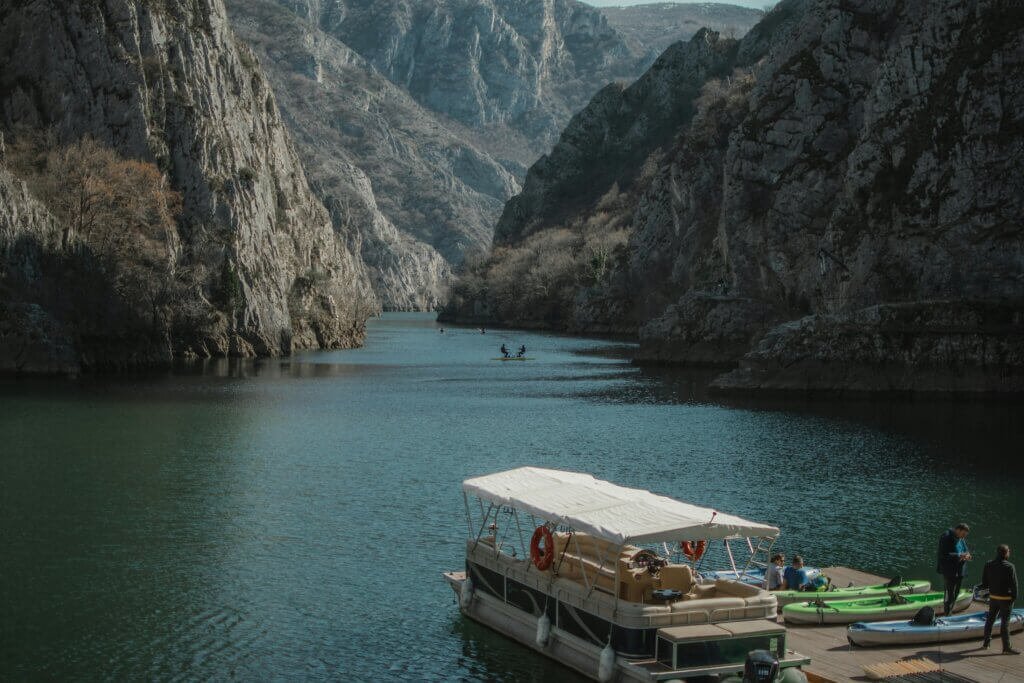
Just 15 kilometers outside Skopje lies Matka Canyon. Carved by the Treska River, this steep limestone gorge is a paradise for outdoor lovers.
- What to do: Skip the expensive guided tours. Take local Bus #60 from Skopje for pocket change, rent a kayak for a few euros, and paddle out to Vrelo Cave—one of the deepest underwater caves in the world.
3. Ohrid: The “Jerusalem of the Balkans”
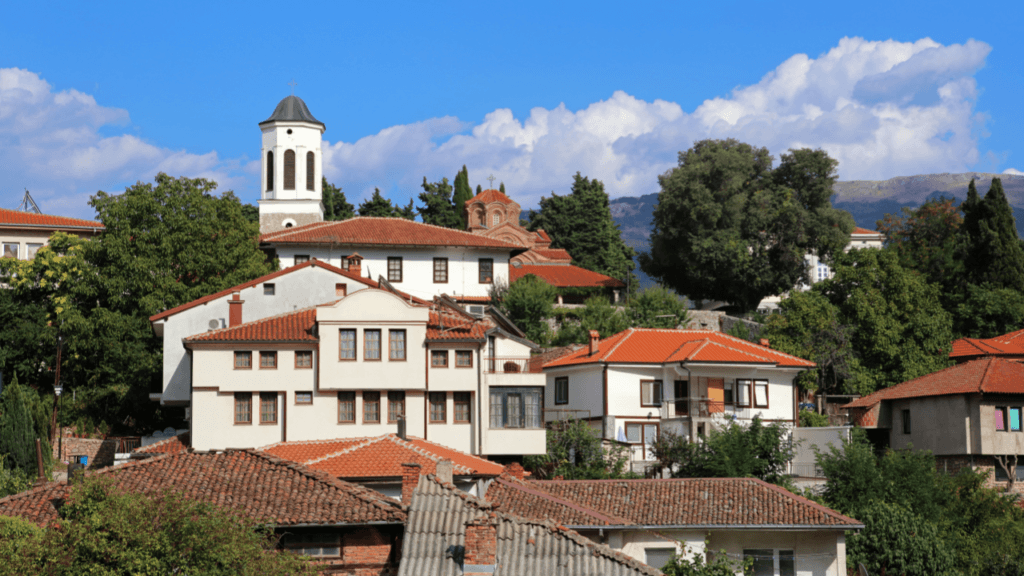
Lake Ohrid is a three-million-year-old tectonic lake and a UNESCO World Heritage site. This is where locals go for summer holidays, but even in peak season, it’s vastly cheaper than coastal Croatia or Montenegro.
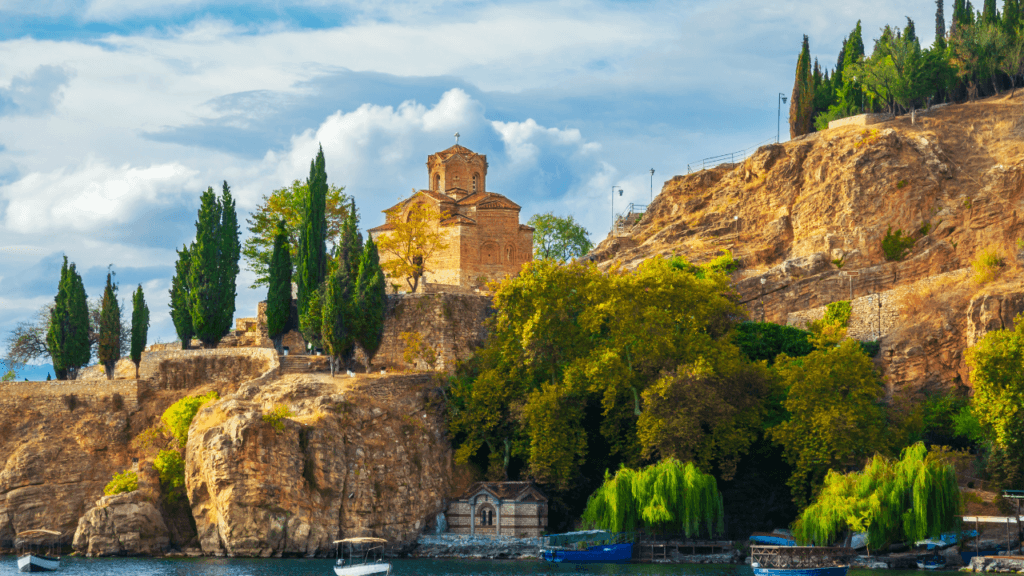
- The Vibe: Terracotta-roofed houses climbing up the hillside, endless lake views, and Byzantine churches. The 13th-century Church of St. John at Kaneo, perched on a cliff over the water, is the most photogenic spot in the country.
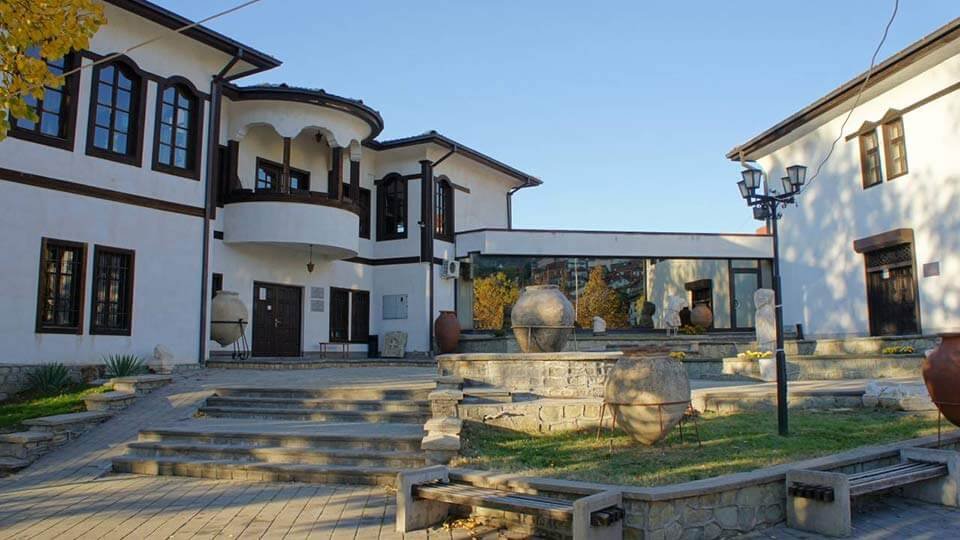
4. Štip: The Insider’s Culinary Detour
If you want to completely ditch the tourist trail, head east to Štip. While international tourists rarely make it here, locals know it as the undisputed culinary capital for one specific dish: Pastrmajlija. It’s an oval-shaped, boat-like dough pie baked in a wood-fired oven, generously topped with diced, salted pork (or sometimes chicken). You haven’t truly eaten in the Balkans until you’ve tried it fresh here.
5. Mavrovo National Park: Wilderness & Wildlife
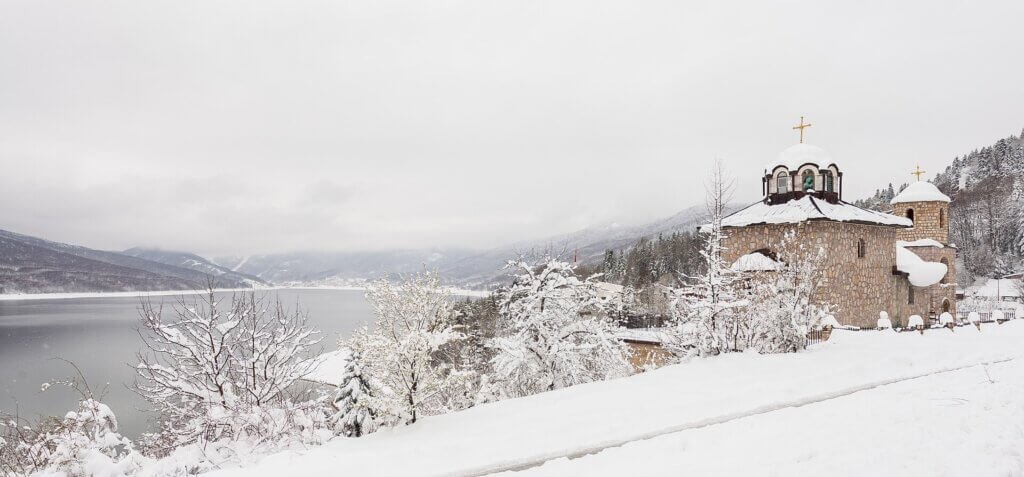
Mavrovo is the country’s largest national park. In the winter, it’s a premier budget skiing destination. In the summer, it transforms into a hiking sanctuary. It is also one of the last strongholds in Europe for rare wildlife, including brown bears, wolves, and the critically endangered Balkan lynx.
🚗 Logistics: Getting Around & Crossing Borders
When looking for the cheapest Balkan countries to visit, transit costs usually eat up the budget. North Macedonia keeps this incredibly low, but you need to know how the systems work.
By Bus: The bus network is reliable and connects all major cities. A ticket from Skopje to Ohrid takes about 3.5 hours and costs around €10-€15. Always buy your ticket at the station a day in advance during summer.
By Rental Car: Driving is the best way to see the national parks. However, managing border crossings in the Balkans by rental car requires preparation. If you plan to drive into neighboring Albania, Greece, or Serbia, you must inform your rental agency in advance to secure a “Green Card” (cross-border insurance document). Without this physical paper, border guards will turn you around.
Digital Connectivity: Because it is outside the EU, standard European roaming plans will charge astronomical fees here. Buy a local physical SIM card or an eSIM (like Airalo) the moment you arrive.