I remember my jaw tightening as I stood before a biometric kiosk at the Schengen border in early 2026. The “digital friction” of the EU’s new Entry/Exit System (EES)—with its mandatory facial scans and fingerprinting—had turned a simple holiday into a technical slog. I realized then that to find true “Time-Wealth,” I had to pivot away from the high-polish tourist traps of the West and move toward the unpolished authenticity of the Balkan Peninsula. In 2026, the strategic traveler doesn’t just visit the Balkans for the views; they use the non-Schengen nations as a “Schengen Reprieve” to reset their 90-day rolling stay limit while discovering places the guidebooks often ignore. Here are 12 hidden gems where you can trade biometric bottlenecks for Radical Hospitality and the restorative power of the Adriatic.
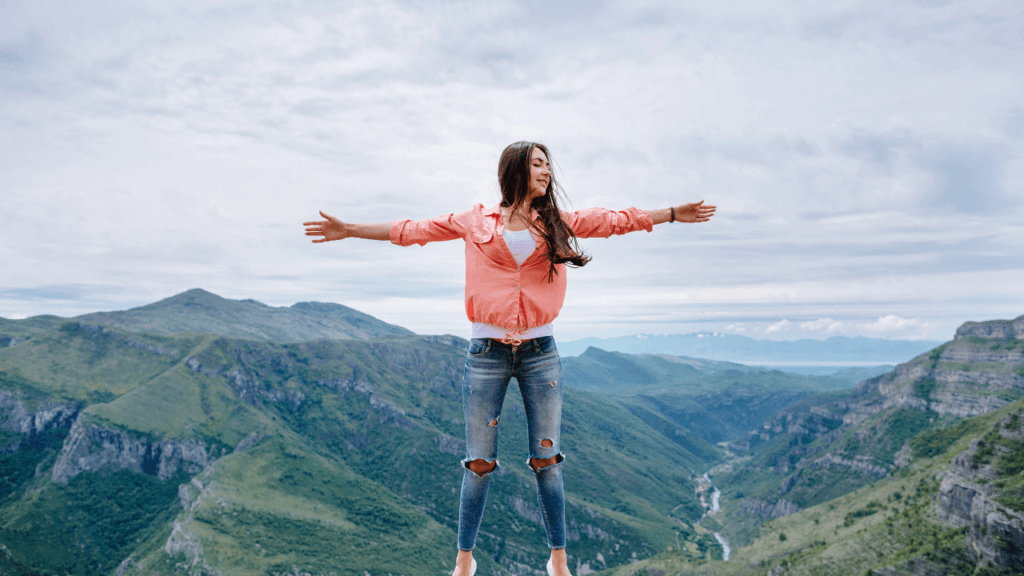
1. Zla Kolata, Montenegro/Albania Border
While the crowds queue on the steep sides of Bobotov Kuk, savvy hikers head to the Accursed Mountains. At 2,534 meters, Zla Kolata is actually the highest peak in Montenegro, offering an “away from the crowds” experience that is raw and unfiltered. This is what we call “Technical Depth”—a profound reward for those willing to pay the “entry fee” of physical exertion.
2. Ksamil, Albania
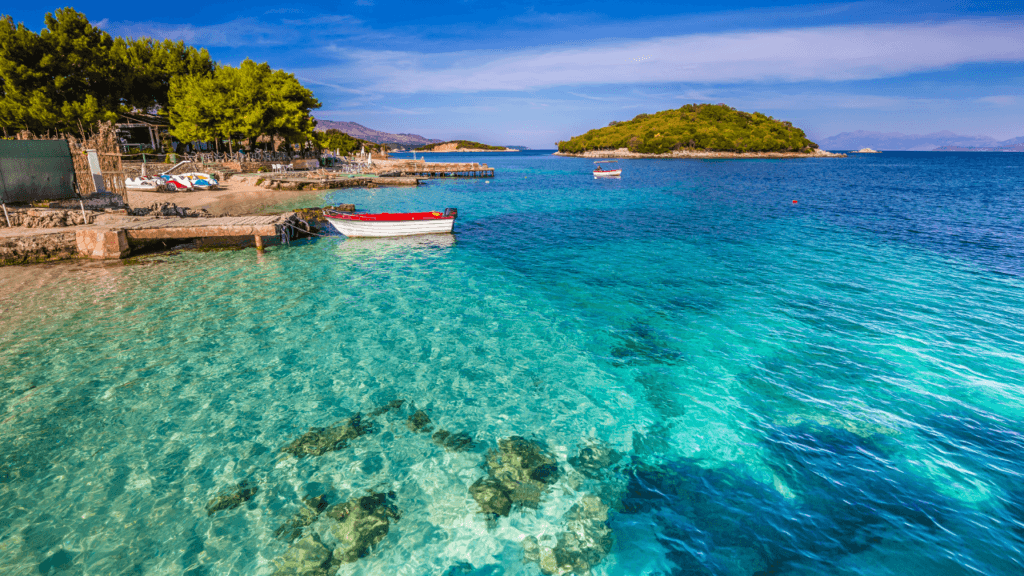
Often whispered about as the “Maldives of Europe,” Ksamil remains a turquoise sanctuary. While the infrastructure is a “work in progress,” the sight of white sand and the ability to paddleboard to tiny offshore islands for a few euros makes it a mandatory stop.
3. Kravice Waterfalls, Bosnia and Herzegovina
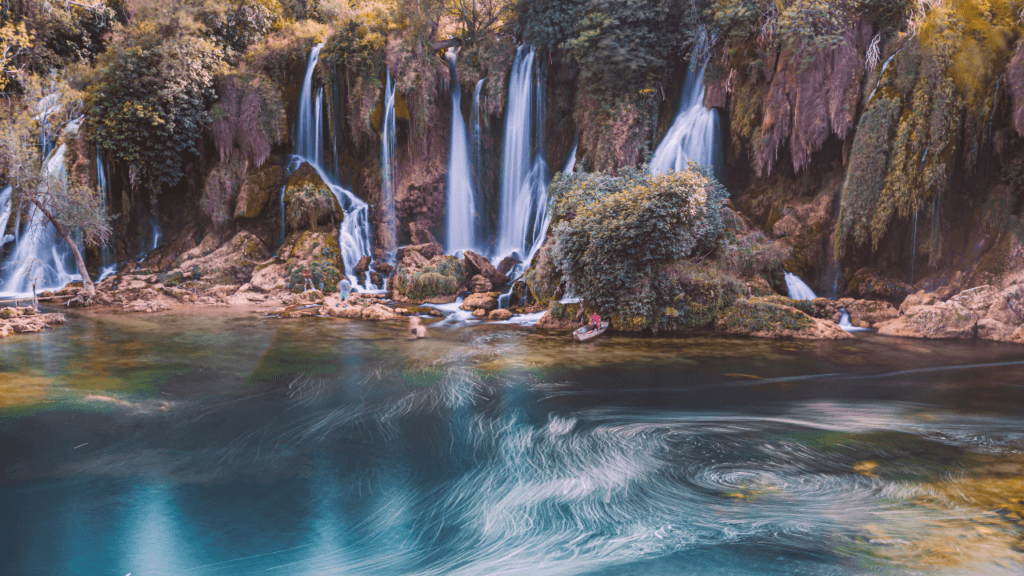
Forget the “no swimming” rules of the polished Plitvice Lakes; Kravice is a wild limestone amphitheater where you are encouraged to jump in. It’s gritty, beautiful, and stubbornly real—exactly how the locals prefer it.
4. Piran, Slovenia
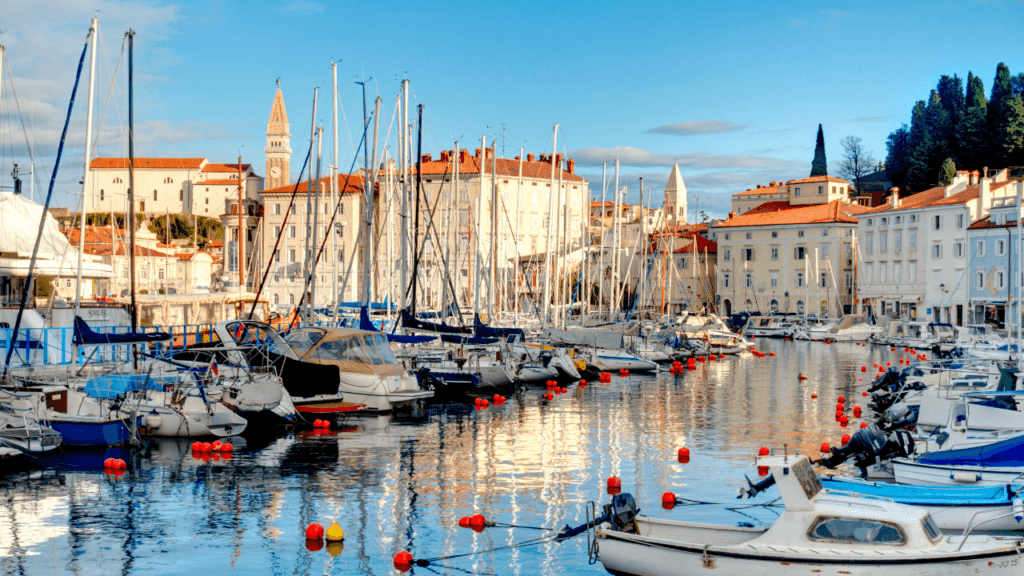
Nestled on a tiny coastal strip, Piran is a Venetian masterpiece without the Venice price tag. It is the perfect place to practice Fiaka—the Dalmatian art of doing absolutely nothing while remaining completely present.
5. Stari Grad, Hvar Island, Croatia
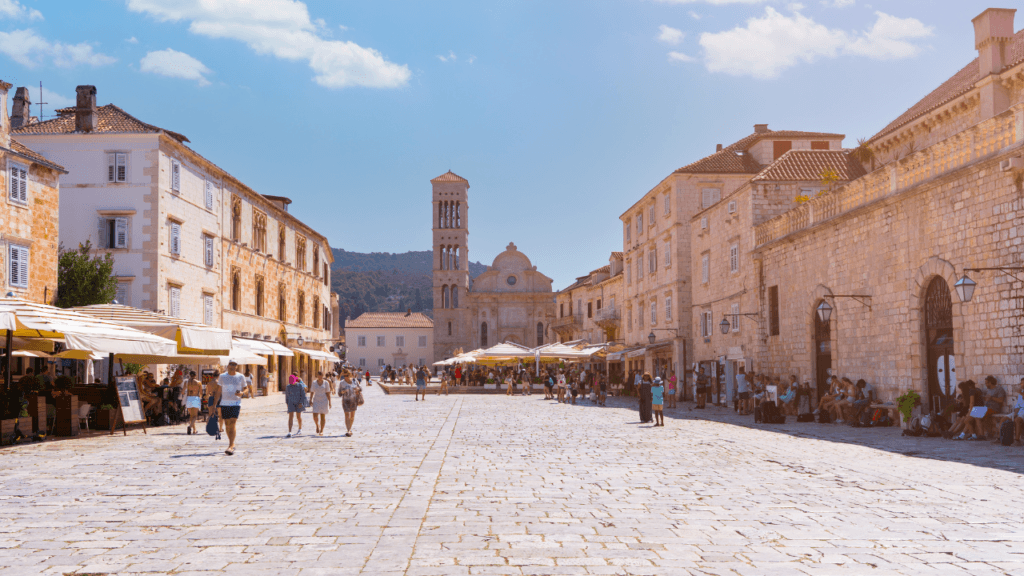
Leave the celebrity yachts of Hvar Town for Stari Grad, a 2,400-year-old time capsule. It stubbornly refuses to “undumb” its environment for mass consumption, remaining “stupid and I like it that way” in its weathered stone glory.
6. Rugova Valley, Kosovo
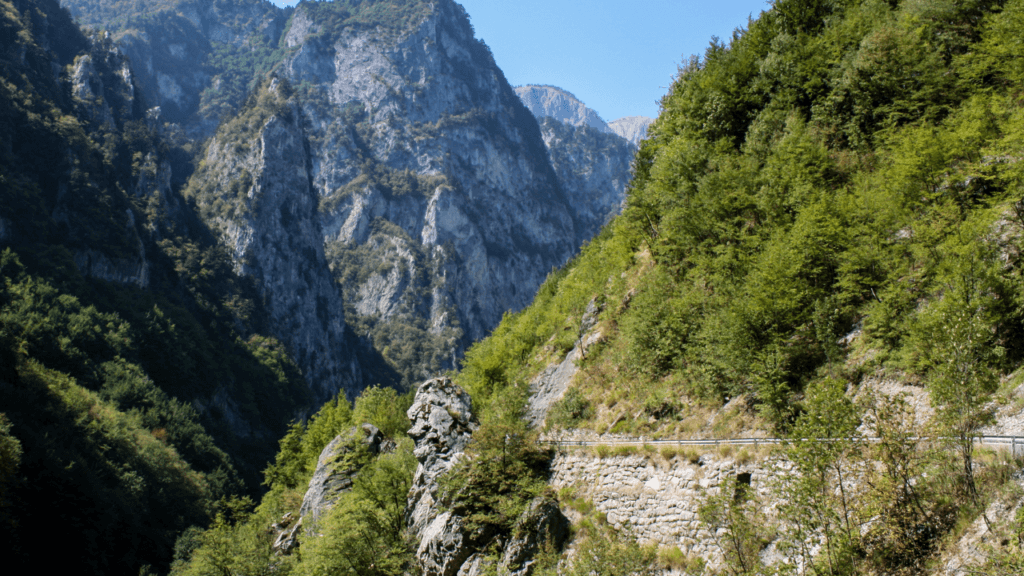
Near the town of Peja, the Rugova Valley offers some of the best hiking and canyon views in the Balkans. The hospitality here is legendary; it is common for locals to offer help or a glass of rakija without expecting a tip or a social media handle in return.
7. Gjirokastër, Albania
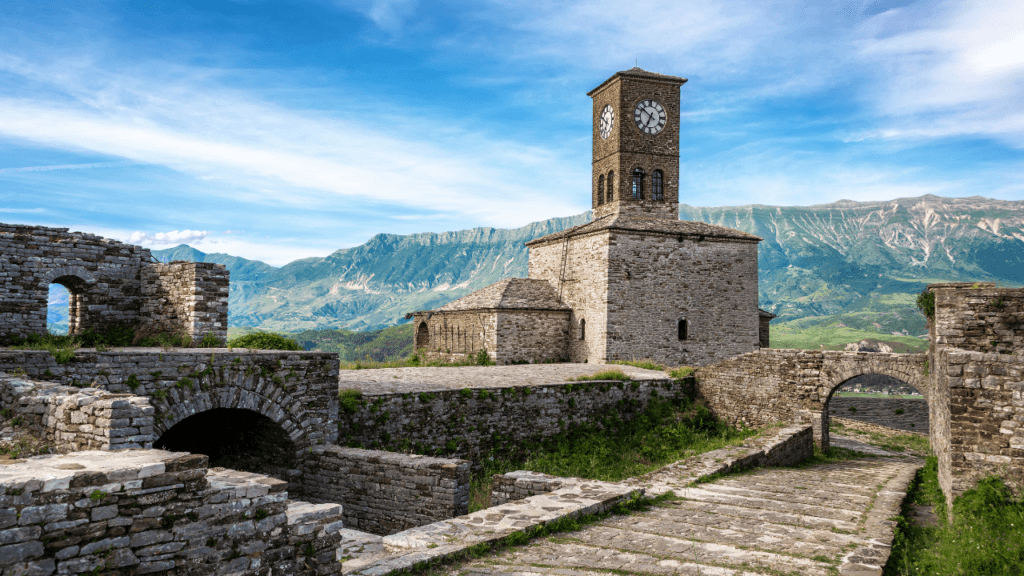
This UNESCO-listed stone city features Ottoman-era houses and a hilltop fortress that feels like a fairy tale. Walking through the Old Bazaar is a sensory overload of traditional crafts and historical grit.
8. Ulcinj, Montenegro
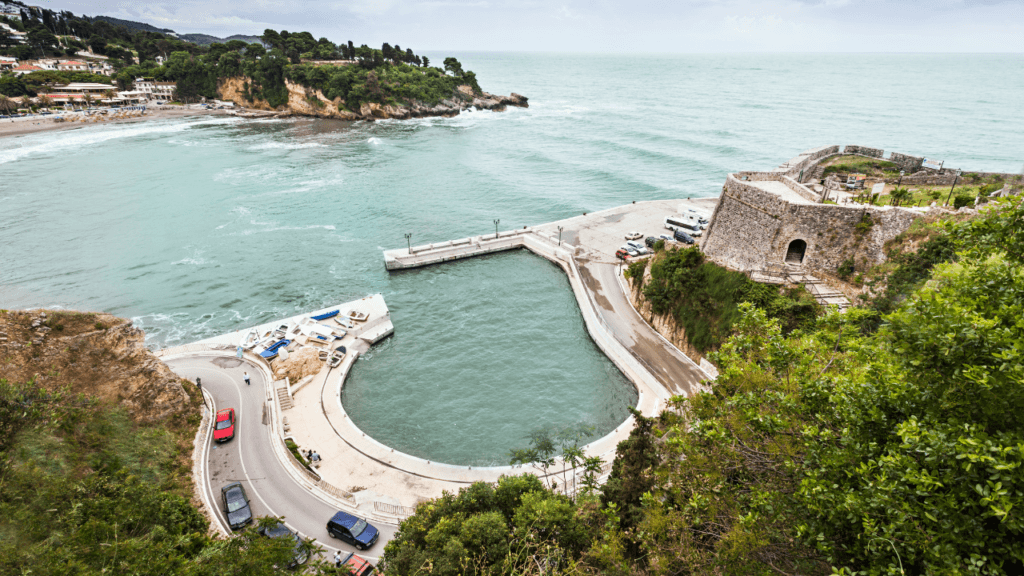
Home to the Velika Plaža (Long Beach), this 12-kilometer stretch of volcanic sand offers a sense of space that Western Europe has engineered out of the travel experience. Visit the river delta island of Ada Bojana for a sunset that feels like a “Schengen Reprieve” for the soul.
9. Blagaj Tekija, Bosnia and Herzegovina
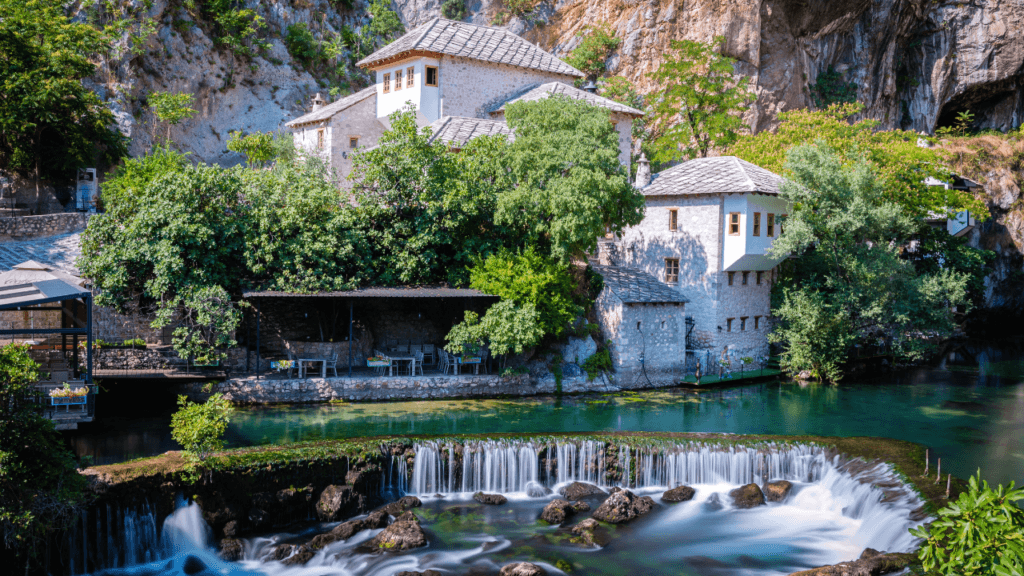
At the source of the Buna River lies a mystical Dervish monastery carved into a cliffside. It is a place of profound silence, where you can enjoy fresh trout by the emerald water and feel the “community fussiness” of a culture that genuinely cares for its visitors.
10. Plovdiv, Bulgaria
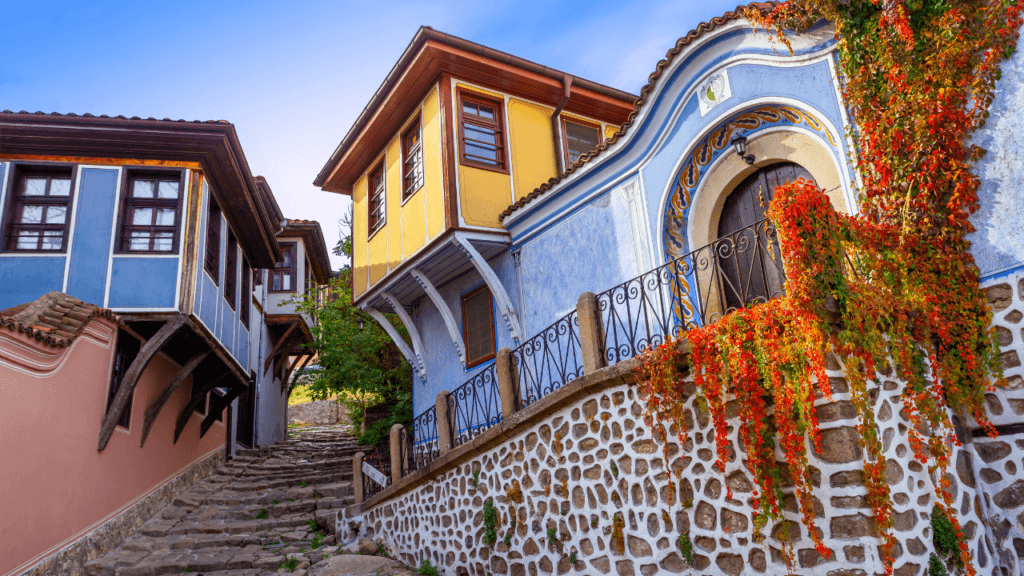
As one of the oldest settlements in Europe, Plovdiv offers an outdoor café culture that rivals any Western capital. Its Roman-era ancient theater still hosts operas, blending the ancient with the vibrant pulse of modern life.
11. Lake Ohrid, North Macedonia
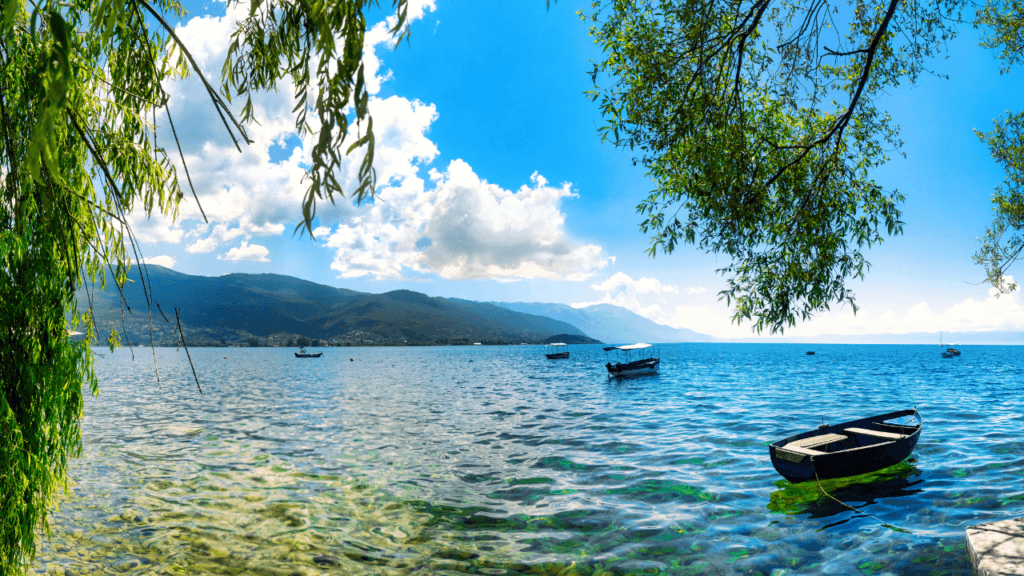
One of the world’s oldest and deepest lakes, Ohrid is often called the “Jerusalem of the Balkans” because it once housed 365 churches. Its crystal-clear waters and Venetian towns provide a tranquil retreat from the 2026 digital border friction.
12. Berat, Albania
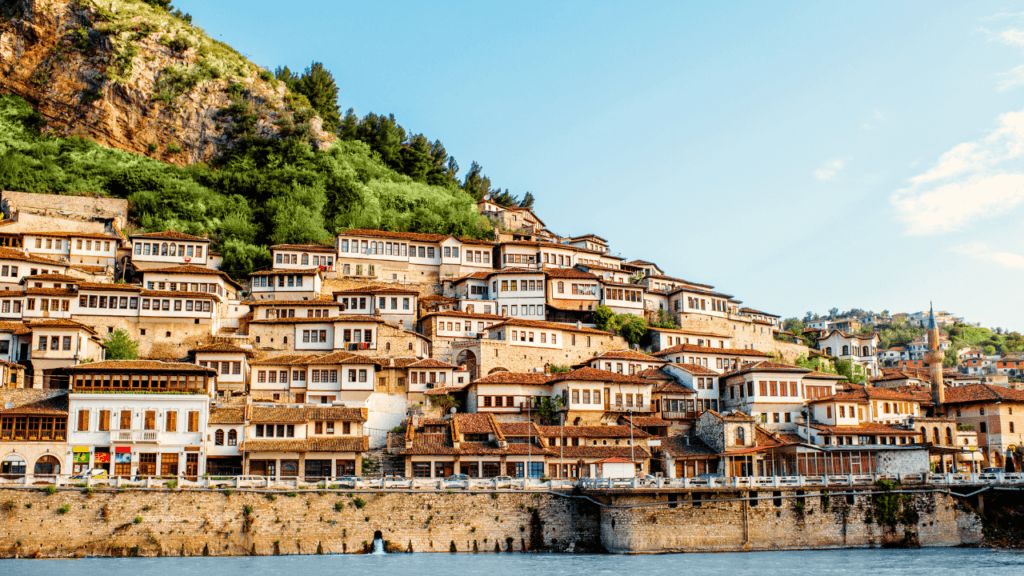
The “town of one thousand windows” is a living museum of Ottoman architecture. Its twisty, cobbled lanes and Radical Hospitality make it a top-tier destination for the traveler seeking restorative safety.
2026 Power Traveler Intelligence
To navigate this region successfully, you need more than a map; you need Travel Intelligence.
- The Cash Paradox: Despite the digital trend, the heart of the Balkans remains cash-dependent. Carry plenty of local currency for village markets and smaller konobas.
- The Paper and Pen Hack: Online bus timetables are notoriously unreliable. Write your destination and time on a slip of paper and confirm it with the station master the day before to avoid the “broken jaw” of a missed connection.
- Senior Coverage: For travelers over 70, specialized insurance like INF Elite is the gold standard for navigating unpolished terrains up to age 99.
The Balkans aren’t for the “fly and flop” traveler; they are for the curious and the gritty. In 2026, the real luxury isn’t a five-star hotel—it’s the freedom to find your own path.
——————————————————————————–
💬 WE WANT TO HEAR FROM YOU! Are you ready to trade digital friction for the restorative peace of the Balkans? Have you ever experienced “Radical Hospitality” in a place the guidebooks ignored? Let us know in the comments below! 👇