The transition from the scorched asphalt of Thessaloniki to the shimmering, turquoise horizon of the Kassandra peninsula, Greece, begins the exact moment a traveler crosses the bridge at Nea Potidea. As 2026 unfolds, international visitors are arriving at the “Macedonia” International Airport (SKG) with a very modern kind of exhaustion—the “digital friction” of the European Union’s new biometric Entry/Exit System (EES). After the mandatory facial scans and fingerprinting at the border, the desire for true “Time-Wealth”—that rare luxury of unhurried discovery and pure presence—is no longer just a preference; it is a psychological necessity.
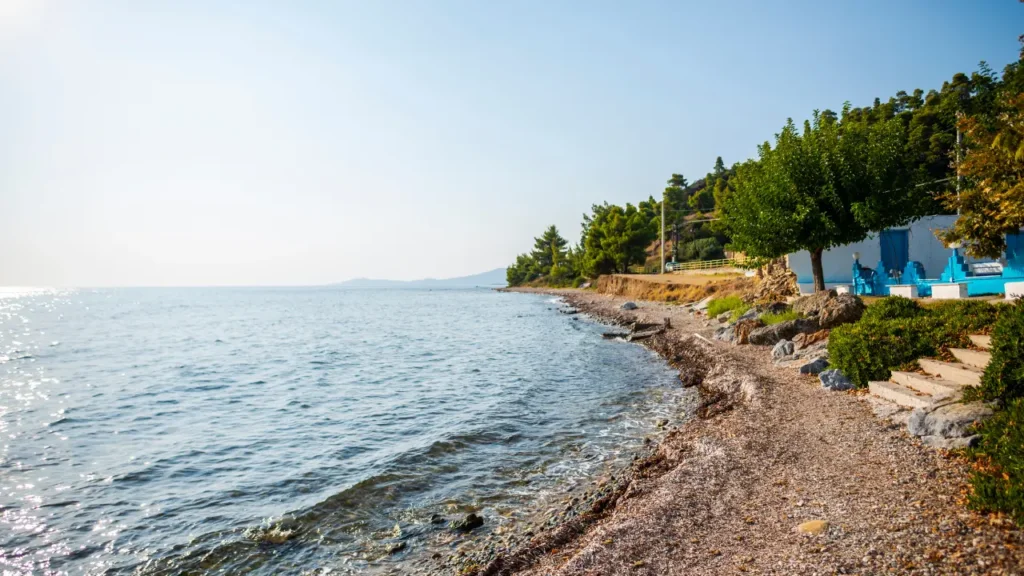
Kassandra is the first “leg” of the famous Halkidiki trident, often referred to by locals as the “hand of Greece.” While it is the most developed and vibrant of the three peninsulas, it refuses to be just another “cookie-cutter” resort destination. It is a place of profound Technical Depth, where ancient sanctuaries sit in the silent shadow of world-class beach bars, and where the highest peak offers a panoramic view of two separate gulfs at once. Stretching deep into the North Aegean, Kassandra maintains pockets of unpolished authenticity that have remained stubbornly unchanged for thousands of years.
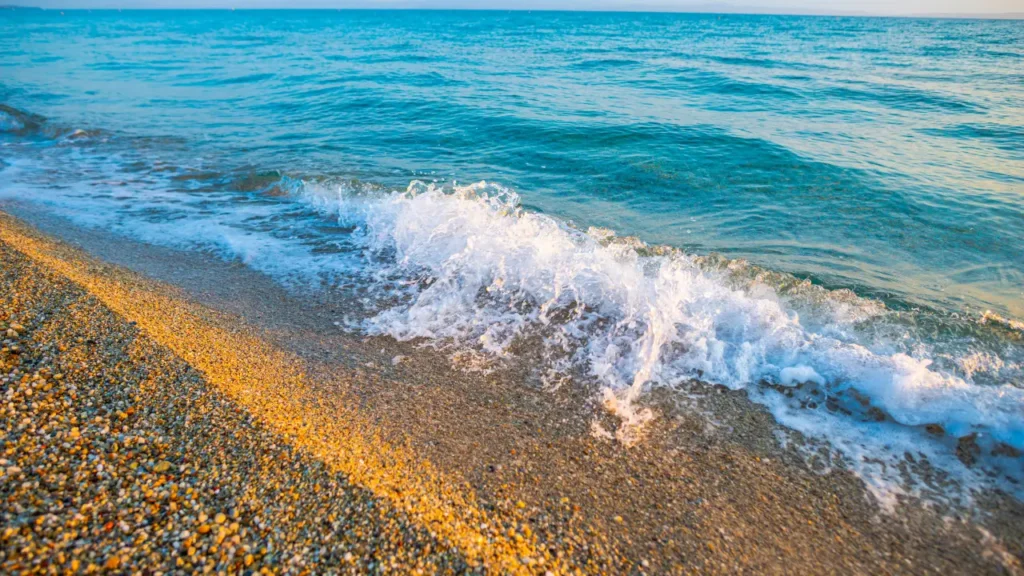
1. The Psychological Threshold: Crossing the Nea Potidea Canal
The journey into Kassandra officially begins at Nea Potidea, where a massive man-made canal effectively turns the peninsula into an island. Historically, this narrow isthmus was a tactical prize, a bottleneck that controlled the flow of trade and the movement of empires in the ancient world. Today, it serves as a vital psychological threshold. As you drive over the bridge, the weight of the “technical slog” from the biometric kiosks at the airport seems to fall away.
Strategic travelers should pause here rather than rushing south. Nea Potidea isn’t just a transit point; it’s an introduction to the region’s historical grit. The ruins of the ancient defensive walls still stand, guarding the entrance to the peninsula. This isn’t a sanitized museum experience with velvet ropes and interactive holograms. It is history worn openly on the landscape—a tangible reminder that humans have been seeking refuge in these waters long before the first ETIAS travel authorization was ever conceived.
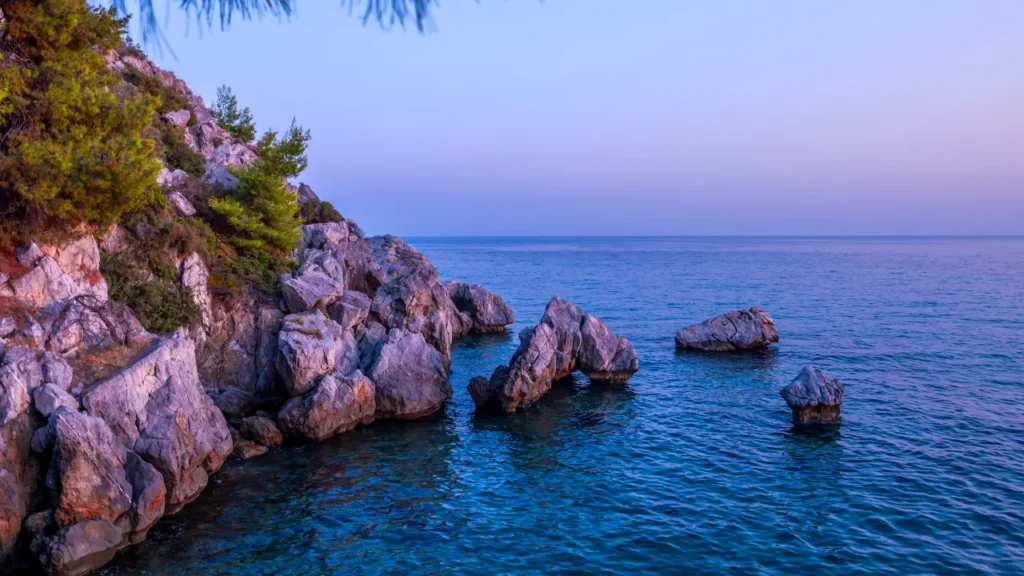
2. Afitos: The Stone Balcony of the Aegean
If there is one location that captures the soul of traditional Macedonian architecture, it is the village of Afitos (often spelled Afytos). Perched precariously on a dramatic cliff overlooking the Toronean Gulf, Afitos is widely known as the “stone balcony” of Halkidiki. Unlike the modern concrete resorts found further south, Afitos is built almost entirely of local stone, with winding, cobbled streets that demand a slower pace of life.
In Afitos, the most important activity is practicing the art of the Halkidiki Fiaka—the philosophy of doing absolutely nothing while remaining completely present in the moment. A traveler can easily spend two hours at a cliffside café, lingering over a world-class espresso while watching the light shift across the water. There are no QR code menus here and no frantic hustle to find the next “Instagram-fake” backdrop. It is human ease in its purest form. The view of the sea from the village edge is a masterclass in restorative peace and serves as the perfect antidote to the digital border friction of the modern road.
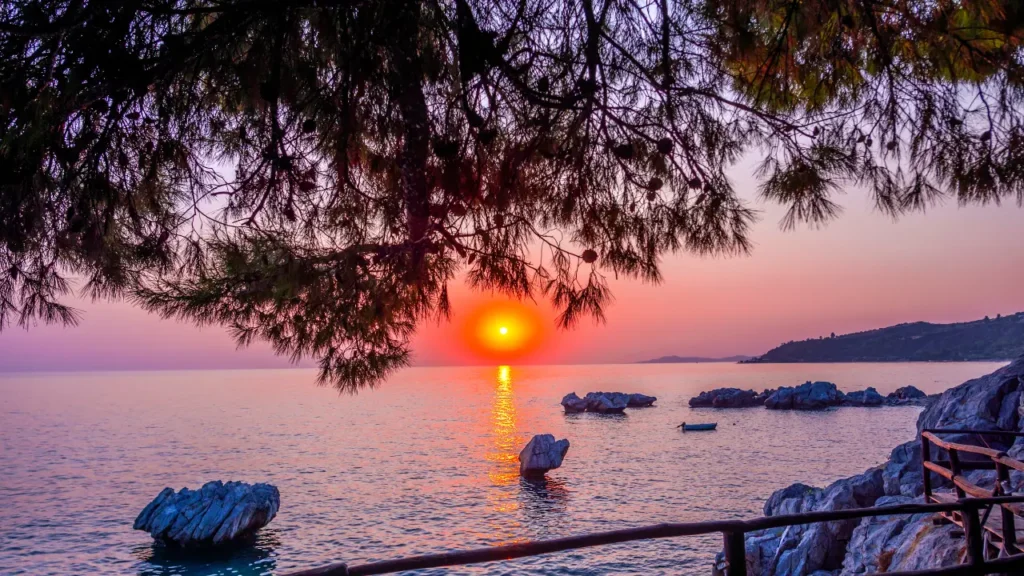
3. Kallithea: Ancient Zeus and Modern Beats
Further down the eastern coast lies Kallithea, the undeniable epicentre of Kassandra’s social scene. The name literally translates to “beautiful view,” but for the modern explorer, Kallithea represents a fascinating cultural paradox. During the daylight hours, the focus is on the Sanctuary of Ammon Zeus, one of the most significant archaeological sites in Northern Greece. Standing among the ruins of an 8th-century BC temple and looking out at the turquoise sea, one realizes that the Greeks have been perfecting the art of “soulful luxury” for nearly three thousand years.
As the sun dips below the horizon, however, Kallithea transforms into a high-energy hub. It is famous for having the most buzzing nightlife in the region, a reputation it has maintained since the tourist boom of the 1970s. From high-end nightclubs like Ahoy to sophisticated beach bars that line the shore, the energy is infectious. This isn’t just about partying; it’s about a cultural standard of vibrant, communal energy that provides a different kind of reset for the spirit.
4. Sani Resort: The Pinnacle of Curated Discovery
For those seeking a more “white-glove” experience, the Sani Resort area on the western coast remains the gold standard. Surrounded by 1,000 acres of ancient pine forests and 500 kilometers of coastline, Sani is an ecosystem of its own. It is a place where the “Art of Travel” is performed with meticulous attention to detail.
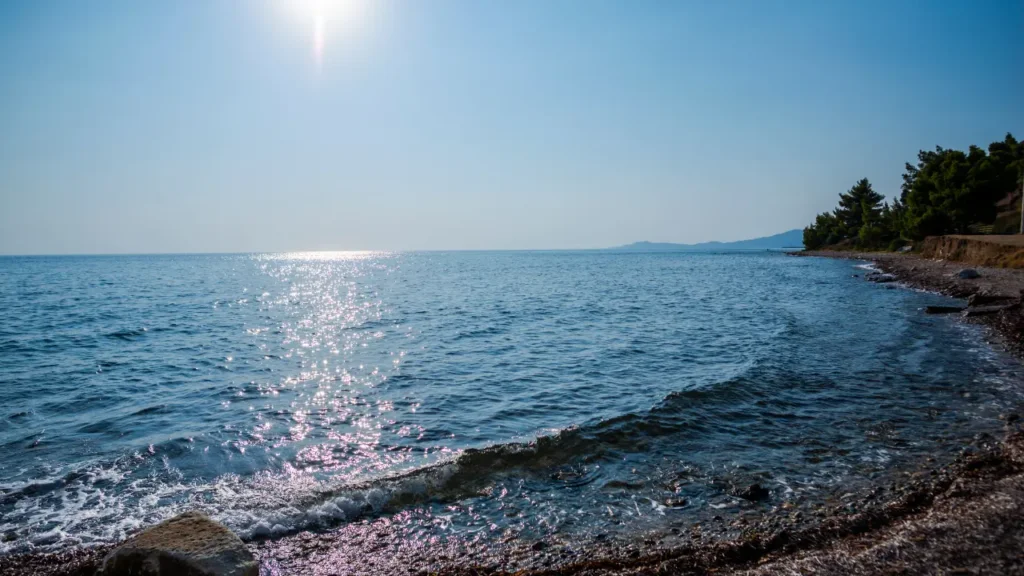
The Sani Festival, which takes place annually during the summer months, brings world-class jazz, classical, and contemporary music to a stage set atop Sani Hill. It is an experience “singularly enriched by the landscapes,” a moment where high culture meets the raw, unpolished beauty of the Aegean. For the traveler navigating the complex 2026 landscape, Sani offers a sense of total security—a place where “community fussiness” ensures that every detail, from private beach service to environmental sustainability projects, is handled with genuine care.
5. Nature’s Hidden Sanctuary: Lake Mavrobara
Strategic exploration of the Kassandra peninsula requires moving away from the coastline and into the interior hills. Hidden in the pine-covered heights near Polychrono is Lake Mavrobara, the only natural lake on the peninsula. This isn’t just a body of water; it is a protected wetland and a sanctuary for two rare species of European water turtles: Emys orbicularis and Mauremys caspica.
A hike to Lake Mavrobara is a physical “entry fee” that rewards the curious with absolute silence. The trail winds through dense forests that smell of wild resin and sea salt. Reaching the lake provides a sense of earned discovery, a memory that remains etched in the soul long after the digital noise of the trip has faded. It is one of the regions in Halkidiki protected under the NATURA convention, a testament to the region’s commitment to preserving its natural grit and ecological depth.
6. Pefkochori and Chanioti: The Family-Friendly Heart
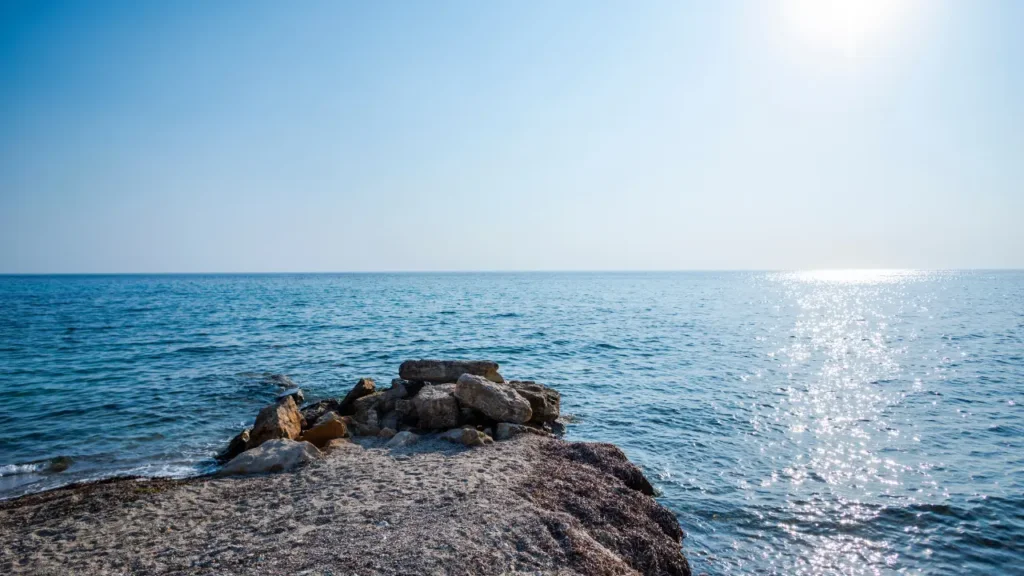
As you move toward the southern tip of the peninsula, the vibe shifts to a more laid-back, family-oriented atmosphere in Pefkochori and Chanioti. These towns are famous for their “pine-fringed” shores—beaches where the trees literally tumble into the turquoise water, providing natural shade and a distinctive fragrance.
In Pefkochori, the long seaside promenade is a jumble of traditional tavernas and modern boutiques. It is the ideal location to truly experience the Mediterranean diet.
- The Honey Paradox: Halkidiki produces a massive portion of Greece’s honey. Savvy travelers look for roadside stands with “honesty boxes” in the hills above the town. The honey is pure, floral, and hasn’t been “undumbed” with commercial additives.
- The Seafood Standard: A meal of fresh sea bream or grilled octopus, caught that very morning, is the only data a traveler truly needs to verify the quality of the destination.
- Philoxenia: Here, you will experience the cultural safety net of Philoxenia—warm Greek hospitality where the waiter doesn’t just take your order; they ensure your phone is charging behind the bar while you enjoy a complimentary dessert.
7. Navigating the 2026 Digital Frontier: EES and ETIAS
Traveling to the Greek peninsula in late 2026 requires more than a map; it requires a high degree of Travel Intelligence to bypass the technical slog of the road.
Since April 10, 2026, the biometric Entry/Exit System (EES) is fully operational at all Greek border points. This means that if you are a non-EU national, you must be prepared for facial scans and fingerprinting at your first point of entry. While this can cause initial delays, the data is stored for three years, making subsequent entries much faster.
Furthermore, the ETIAS authorization is now mandatory for travelers from visa-exempt countries like the USA, Canada, and Australia. It costs approximately €7 and typically responds within minutes. However, do not be “naive”—apply at least 96 hours before your flight to avoid a “broken jaw” moment of travel delays at the gate.
8. Technical Depth: Adventure in the Aegean Abyss
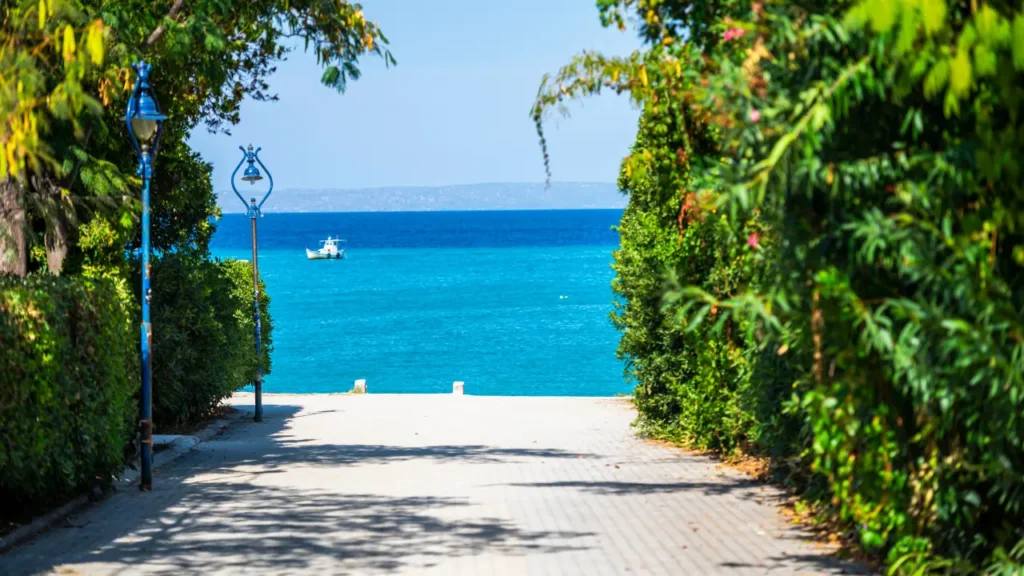
Kassandra is the primary destination in Halkidiki for high-energy adventure. The waters here are blessed with a spectrum of colors, from shallow greenish shallows to what locals call the “Aegean Abyss.”
- Scuba Diving: Explore the diverse marine life of the Toronean Gulf through professional courses that take you far beyond the sanitized tourist experience.
- Flyboarding and Jet Skiing: These activities are popular on the organized beaches of Kallithea and Pefkochori, providing a physical thrill that balances the “slow travel” pace of the villages.
- Thermal SPA Agia Paraskevi: Located on the rugged southern tip, these modern facilities utilize natural hot springs that flow directly from the rocks into pools overlooking the sea. It is a place of deep restoration, a physical reset for the body after the “digital friction” of a long journey.
9. The “Paper and Pen” Hack: Mastering the Local Road
While Kassandra is a modern destination, the wider regional infrastructure still respects a more analog approach. If you are relying on the local KTEL bus network to explore the villages, do not rely solely on digital apps or online timetables, which are often just “optimistic guidelines.”
We recommend the “Paper and Pen” Hack: write your destination, the date, and your desired departure time on a slip of paper and show it to the station master or the driver. This simple display of local intelligence and direct communication ensures that you won’t end up with the “broken jaw” of a missed connection. It is a small effort that pays huge dividends in maintaining your “Time-Wealth.”
10. The Cash Paradox and Cultural Safety
Despite the global digital trend, the “heart” of the traditional villages in Kassandra remains cash-dependent. While major resorts and high-end restaurants in Sani take credit cards, the local farmers’ markets and smaller, family-run tavernas prefer Euros. Carrying local currency is essential for avoiding high ATM fees and ensuring you can participate in the local economy without friction.
From a safety perspective, the Balkans and Northern Greece are generally much safer than major Western European capitals. In the villages of Kassandra, you can honestly relax. There is a sense of “community fussiness” where locals instinctively look out for one another and for the visitors in their midst. It is a cultural safety net that engineered luxury cannot replicate.
Conclusion: Reclaiming Your Path
The Kassandra peninsula, Greece, isn’t for the traveler who needs every second of their journey curated by an algorithm. It is for the curious, the gritty, and those who value the freedom to find their own path in a world that is still beautifully, stubbornly real.
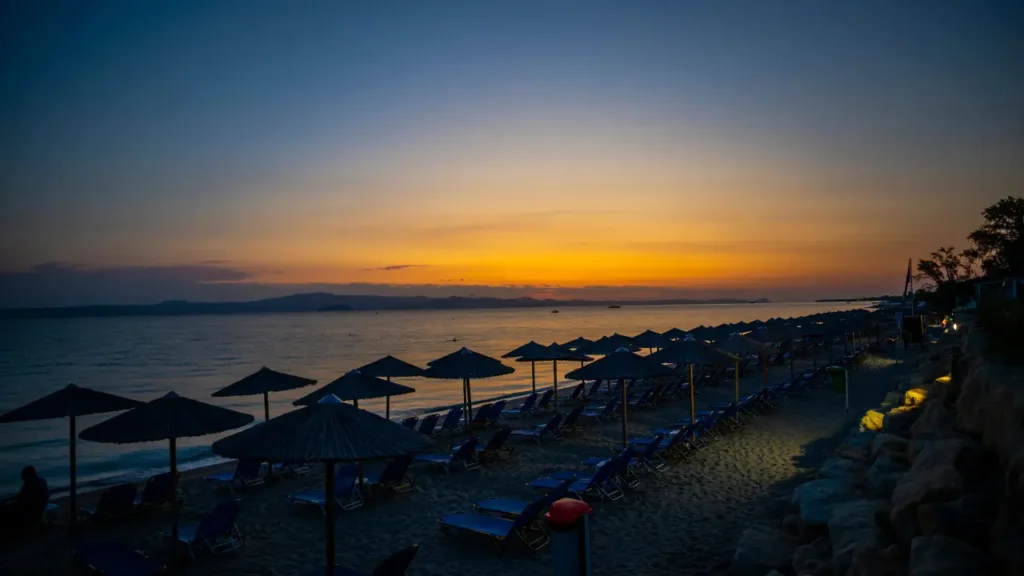
In a year defined by EES digital friction and biometric border kiosks, finding a place that still values human ease over digital efficiency is the real luxury. Whether you are scaling the ancient ruins of Ammon Zeus, diving into the hidden turquoise coves of the south, or sharing a glass of local wine with a stranger as the sun sets over the Aegean, Kassandra will surprise you in the best way possible. It is the ultimate expression of Time-Wealth in 2026.
——————————————————————————–
💬 WE WANT TO HEAR FROM YOU! Are you ready to trade the biometric queues of the city for the pine-covered grit of Kassandra? Have you ever had a “technical slog” saved by the Radical Hospitality of a local Greek stranger? Let us know in the comments below!