I remember the distinct, clattering rhythm of the train as it pulled into Varna’s red-and-white station—a stunning Art Nouveau and Neo-Baroque time capsule that feels like it belongs in a Wes Anderson film. It was early 2026, and I was arriving from Sofia, still carrying the “broken jaw” of exhaustion from navigating the latest biometric Entry/Exit System (EES) kiosks at the western borders. My fingerprints had been scanned, my face mapped, and my patience tested by the kind of digital friction that has turned modern European travel into a technical slog.
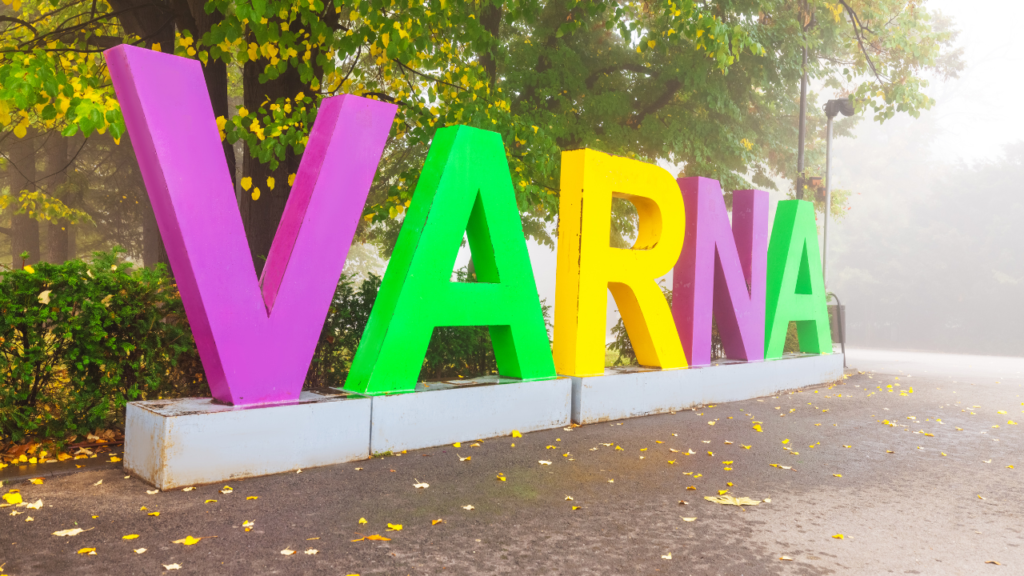
But as I stepped onto the platform where the Orient Express still makes its annual, legendary stop, the salt-heavy air of the Black Sea hit me. I wasn’t just in the third-largest city in Bulgaria; I had found my way to the “Sea Capital,” a place where the history is 7,000 years deep and the lifestyle is stubbornly, gloriously unpolished. In Varna, you don’t just visit; you reclaim your Time-Wealth.
The 2027 Tactical Move: Why Varna?
For the modern Power Traveler, Varna isn’t just a seaside resort; it is a strategic masterstroke. While the “Instagram-fake” crowds are elbow-to-elbow in Santorini or Dubrovnik, Varna offers a gritty, authentic alternative. Since the full implementation of the EU’s biometric border systems on April 10, 2026, navigating the Schengen zone has introduced a layer of logistical weight that can ruin a spontaneous trip.
Bulgaria, while integrated into the Schengen air and sea zones, still maintains a unique regional character that rewards the high-effort traveler. Here, the infrastructure refuses to “undumb” itself for mass consumption. The sidewalks are uneven, the signs are in Cyrillic, and the history is presented without the sanitizing velvet ropes of the West. As the locals often say of the city’s raw, unfiltered aesthetic, “it’s stupid and I like it that way“.
Technical Depth: The World’s Oldest Gold
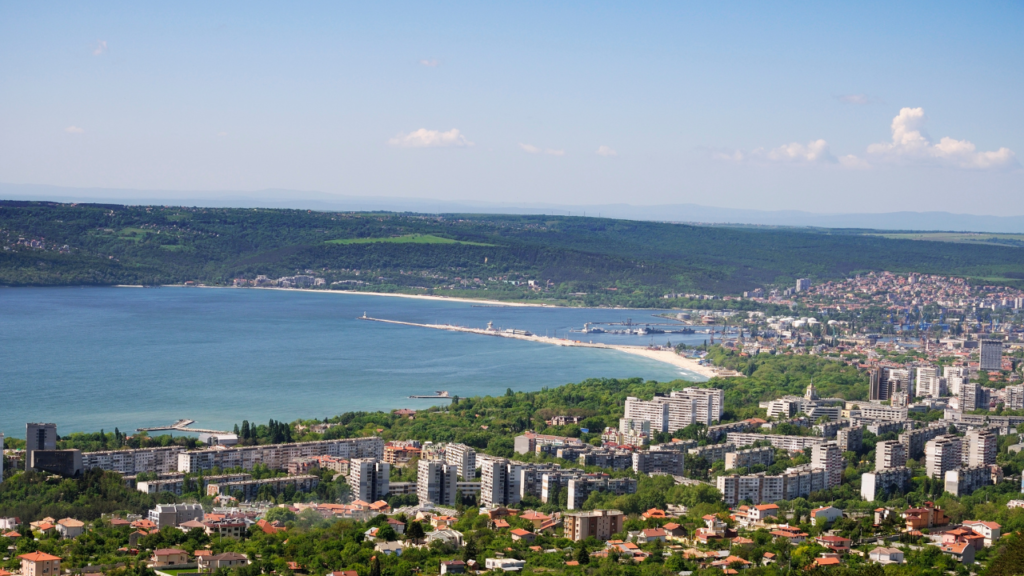
If you think you’ve seen “old” in Rome or Athens, Varna is here to reset your perspective. I spent my first morning in the Varna Archaeological Museum, a neoclassical masterpiece that was once a girls’ school. For an entrance fee of just 10 BGN (about $5.00), you gain access to the Varna Necropolis—the home of the oldest processed gold in the world.
Dating back to 4600–4200 BC, this isn’t just jewelry; it’s a display of Technical Depth from a civilization that was thriving while most of the world was still figuring out basic pottery. Standing in front of over 3,000 golden artifacts, you feel the weight of three millennia of maritime power. The curators don’t rush you; there are no flashing LED screens or interactive holograms. It’s just you and the raw, glittering evidence of human ingenuity. This is the kind of profound reward you get when you’re willing to pay the “entry fee” of intellectual curiosity.
The Art of the 10,000-Step Fiaka
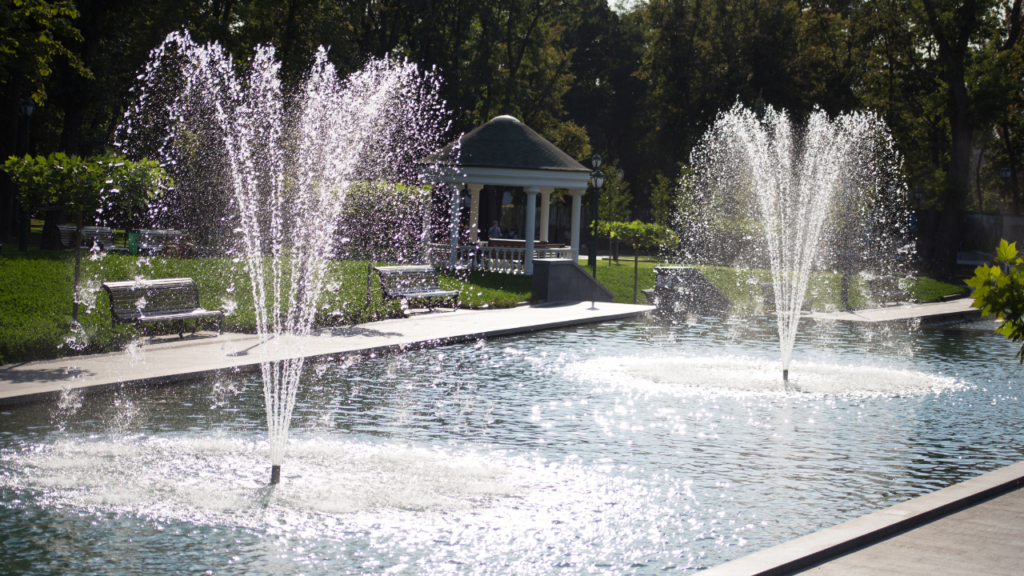
To truly understand Varna, you have to embrace the Sea Garden (Morska Gradina). It is the largest landscaped park in the Balkans, stretching for over 4.3 miles along the coast. My daily mission was simple: hit my 10,000 steps by wandering the lush, green pathways that overlook the Black Sea.
This is where you practice the art of Fiaka—the philosophy of doing absolutely nothing while remaining completely present. I watched old men play chess on stone tables, families share giant bags of popcorn, and seagulls (the city’s ubiquitous urban wildlife) dive-bomb for stray fries.
In the Sea Garden, you’ll find the Dolphinarium, the Aquarium, and an open-air theater that hosts the world-renowned Varna Summer International Music Festival. But the real magic happens at the sidewalk cafes on the park’s edge. I spent two hours lingering over a world-class espresso made on professional vintage Italian gear at a ramshackle wooden table. There was no pressure to leave, no QR code menus, and no request for my social media handle. It was just human ease in its purest form.
Radical Hospitality and Community Fussiness
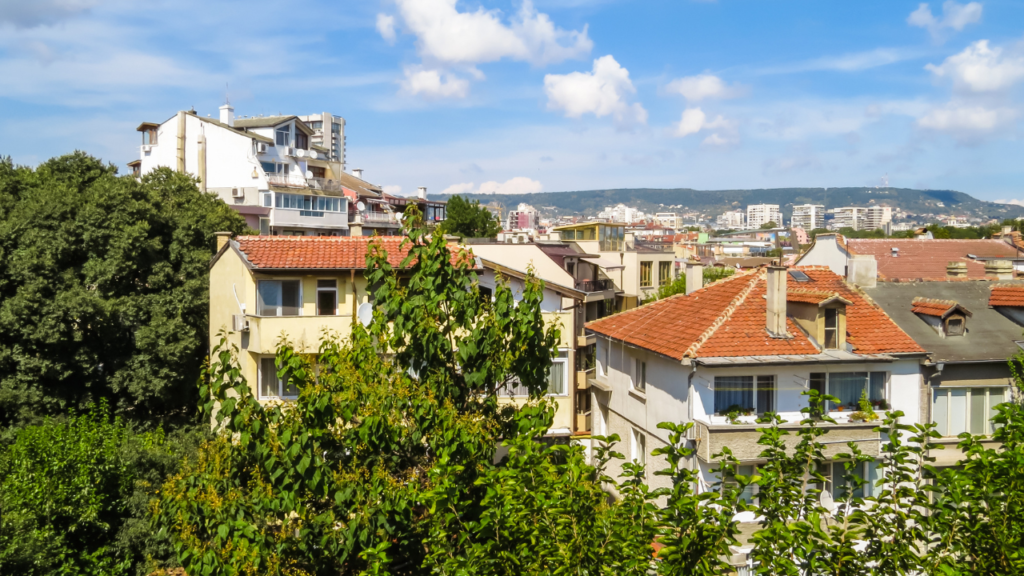
One afternoon, while trying to find a hidden “key-themed” beer bar in the Greek Neighborhood, my phone died. It was a classic “broken jaw” moment of travel despair. I was standing on a corner, staring blankly at a Cyrillic street sign, when an elderly woman carrying a bag of fresh sirene (Bulgarian feta) noticed my confusion.
This is where you encounter Radical Hospitality. Without a word—and despite the fact that I speak zero Bulgarian and she spoke zero English—she gestured for me to follow her. She led me to a small neighborhood bakery, spoke to the man behind the walk-up window, and within minutes, I had a warm slice of pogacha in one hand and my phone was charging behind the counter.
In Varna, safety is a cultural standard rather than an engineered luxury. You experience a “community fussiness” where the locals instinctively worry about your well-being. They aren’t looking for a tip or a five-star review; they are simply fulfilling a regional duty to ensure the stranger is cared for. It’s a safety net that modern efficiency has engineered out of Western life, and it’s why solo travelers can honestly relax here.
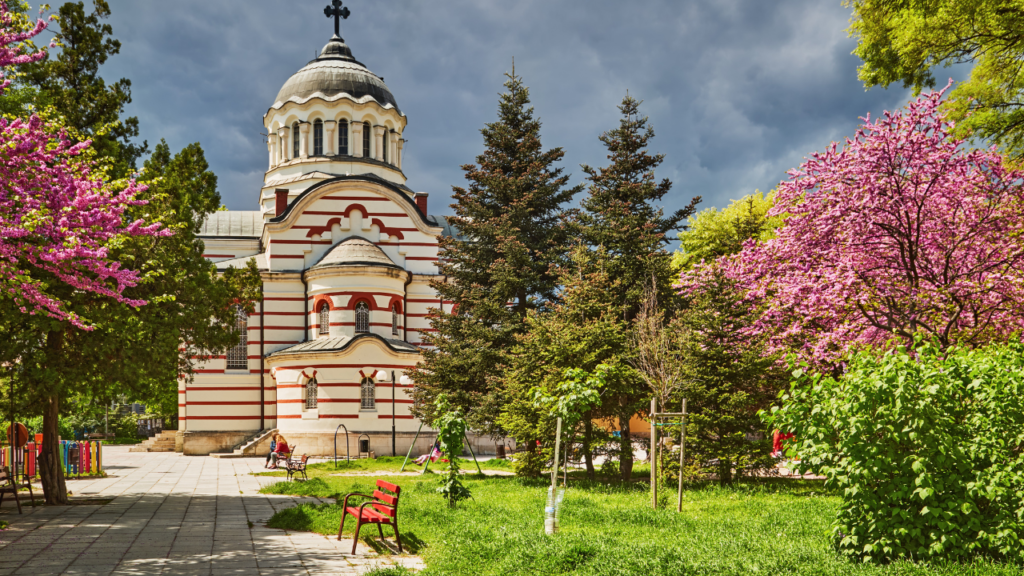
The Grit and Glory of the Roman Thermae
You cannot leave Varna without visiting the Roman Thermae. Built in the 2nd century AD, these are the largest Roman baths in the Balkans and the fourth-largest in all of Europe. Covering over 7,000 square meters, the ruins are massive, crumbling, and spectacular.
What I loved most was the lack of “polish.” You are essentially walking through a giant, open-air skeletal remains of a civilization. You can see the footprint of the frigidarium and the complex underground heating systems. It hasn’t been turned into a theme park. It’s just there, in the middle of the city, standing as a tangible reminder of the importance of ancient Odessos. If you want the “fly and flop” experience, go to the sanitized pools of a resort. If you want to feel the pulse of history, you walk the moss-covered stones of the Thermae.
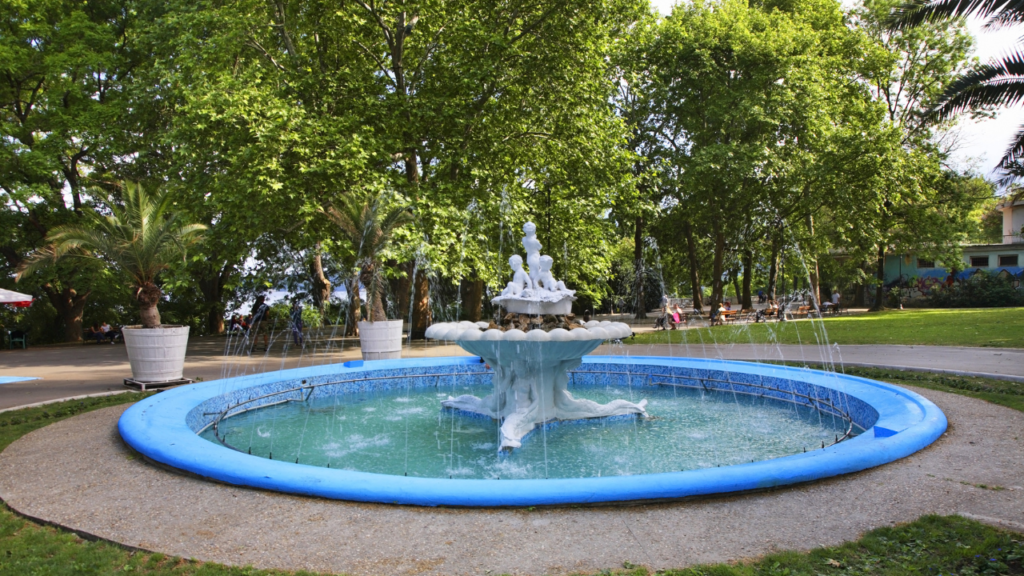
Eating the Riviera: Seafood and 2.50 BGN Wine
Bulgarian cuisine is a terroir-driven journey that will make you feel like your brain is “sweating lipids” in the best way possible. Varna’s food scene is shaped by its harbor and its diverse cultural influences—a mix of Ottoman, Greek, and Mediterranean flavors.
- Mr. Baba: This is a mandatory stop. It is a restaurant built inside a full-scale replica of a 15th-century galleon ship, sitting right on the sand of the South Beach. I had a mixed seafood platter for two that featured hook-to-mouth fresh fish and a complimentary Lutenitsa (pepper spread) that was better than anything I’ve had in a Michelin-starred joint.
- The Wine Paradox: In Varna, you can buy a bottle of local sparkling, white, or red wine for about 5 BGN ($2.50). And here’s the kicker: it’s actually good. It hasn’t been “undumbed” with additives; it’s just crisp, light, and honest.
- Juicy Burger: If you need a break from the cevapi and burek, this spot offers the best American-style burger in the city. The staff is genuinely curious about travelers, and the fries are homemade and crispy.
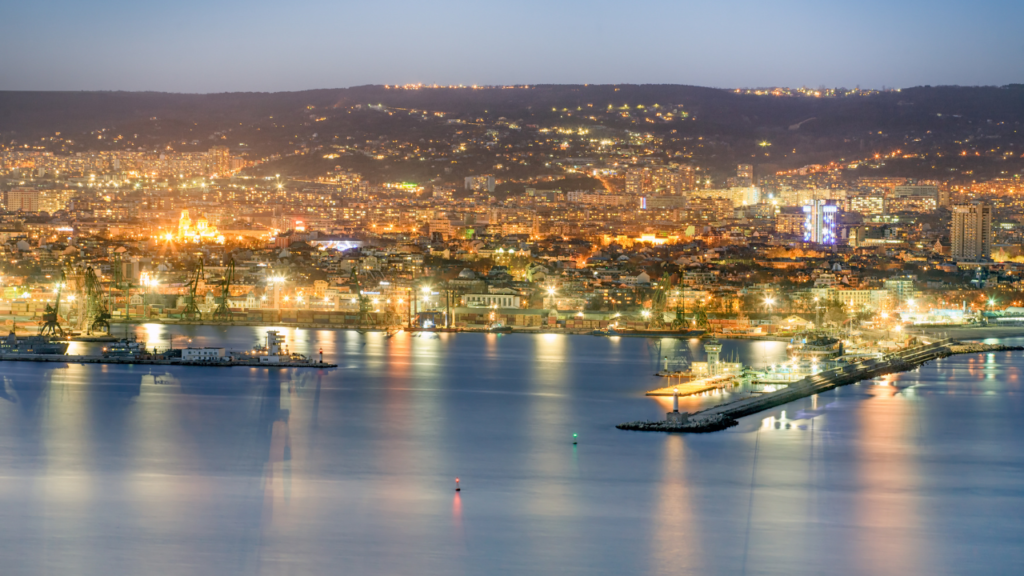
2027 Power Traveler Intelligence: Essential Hacks
To navigate Varna successfully in 2026, you need more than a map; you need Travel Intelligence.
- The “Paper and Pen” Hack: While many younger people in Varna speak excellent English, the bus station masters and older farmers at the markets do not. Do not rely on digital timetables; they are often just “optimistic guidelines.” Write your destination, the date, and the time on a slip of paper and show it to the station master the day before. If the time is wrong, they will cross it out and write the correct one. It works every time.
- Cash is King: While credit cards are accepted in major malls like Grand Mall or Delta Planet, the soul of the city—the farmers’ markets near the Dormition of the Mother of God Cathedral—remains cash-dependent. Carry plenty of Bulgarian Lev (BGN). At the time of my trip, one Lev was worth about $0.50.
- The Bungee Jump: If you are a thrill-seeker, the Asparuhov Bridge is a legendary spot for bungee jumping. It’s 52 meters high and offers a view of the Varna Bay that you’ll never forget while you’re plummeting toward it.
- Senior Coverage: If you are a mature traveler over 70 exploring the rugged paths of the Accursed Mountains or the “Stone Forest” nearby, standard insurance often fails. Specialized plans like INF Elite are the gold standard for navigating these unpolished terrains up to age 99.
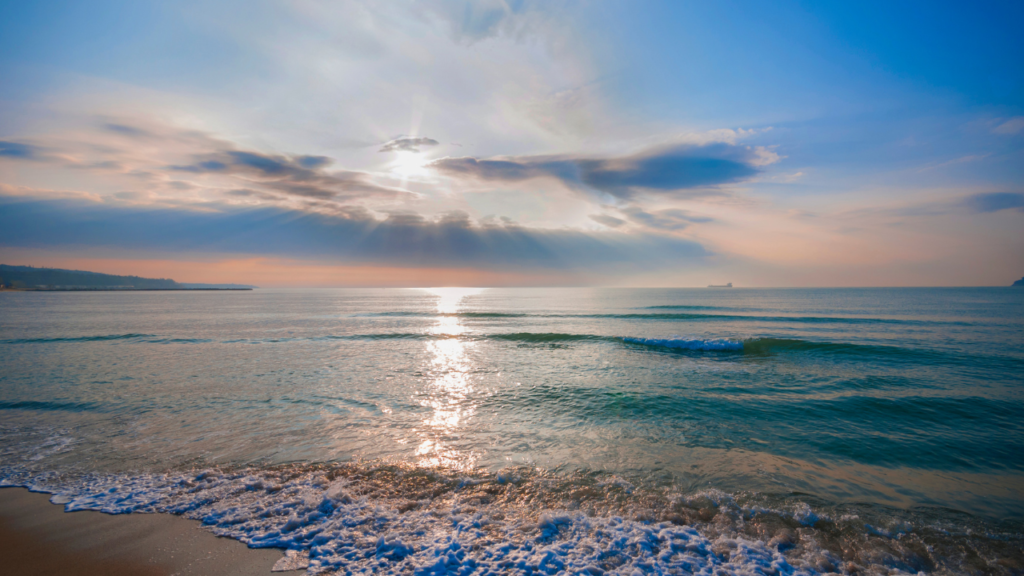
Exploring the Surrounds: Caves and Stone Forests
If you have a couple of extra days, get out of the city limits.
- Aladzha Monastery: Only 17 kilometers away, this medieval cave monastery features cells and chapels carved directly into a limestone cliff. It exudes an air of mystery and silence that is the perfect antidote to digital border friction.
- Pobiti Kamani (The Stone Forest): This is a unique natural phenomenon consisting of oddly shaped limestone columns that look like they were planted by giants. Geologists are still intrigued, and local legends abound. It’s raw, weird, and un-curated.
Conclusion: Embrace the Grit
Varna Bulgaria isn’t for the traveler who needs every moment polished and every corner curated. It is for those who value discovery over curation and human ease over digital efficiency. It is a city of “wooden mountains” logic, where the reward is proportional to the effort you put in.
In 2026, the road less traveled isn’t just a metaphor—it’s a strategy for maintaining your sanity and your “Time-Wealth.” If you’re ready to trade EES digital friction for the restorative power of the Black Sea and a glass of $2.50 wine, Varna is waiting.
Make your trip or vacation as fun and educational as possible!
To do so, simply click the link below (Select a destination). Once you open the link, choose and enter the destination you would like to visit. You will then be directed to a page hosted by the renowned company “Get Your Guide,” where you will find a variety of organized tours in that area and all of it is online, without waiting in long lines and without wasting time.
These tours are led by highly trained guides who will be at your disposal and will share a wealth of information you may not have known before.