The transition from the urban hum of Athens to the mythic, vine-draped hills of the Peloponnese, Greece, is a crossing of more than just the Corinth Canal; it is a profound entry into what modern travelers are calling “Time-Wealth.” As 2026 unfolds, the international traveler is increasingly looking for “Technical Depth”—the luxury of unhurried discovery where history isn’t tucked away in a museum but is tasted in a glass of deep, ruby-red Agiorgitiko. In this high-stakes travel landscape, the Peloponnese has emerged as the sentinel of the Balkan wine renaissance, offering a level of unpolished authenticity that rewards those willing to look beyond the typical resort gates.
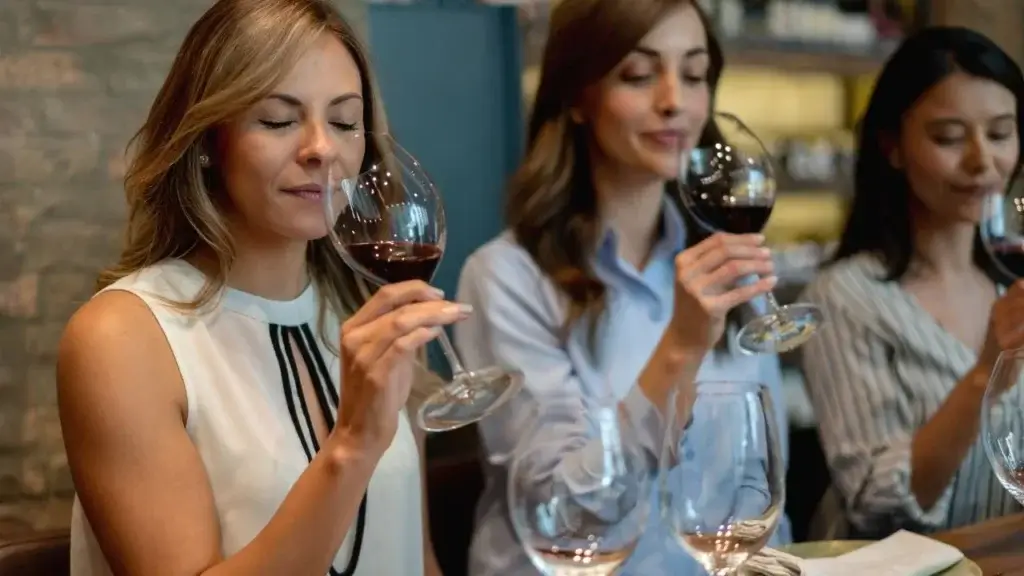
Wine tasting in the Peloponnese is a terroir-driven journey that predates the Romans. For seven millennia, these limestone-rich slopes have been a sanctuary for native grapes, and today, the region is “singularly enriched by its landscapes,” creating a “tasting platter” of experiences that defy mass-market sanitization.
1. The Mythic Terroir: Nemea and the Blood of Hercules
The journey into Peloponnesian wine begins in Nemea, the largest and most famous red wine appellation in Greece. Historically, this region is the seat of the Nemean Lion and the first of Hercules’ twelve labors. The local grape, Agiorgitiko (meaning “St. George’s Grape”), is often referred to as the “Blood of Hercules” because of its deep, dark intensity and velvety tannins.
In 2026, the strategic move is to book a private guided tour through the upper elevations of Nemea. At 800 meters above sea level, the air is thinner, the sun “sweats lipids” off the grapes, and the acidity in the Agiorgitiko becomes electric. This isn’t a sanitized, velvet-rope experience. It is history worn openly on the landscape. To reach these elite cellars, travelers often pay the “entry fee” of a winding mountain road—a physical slog that provides the profound reward of absolute silence and world-class wine.
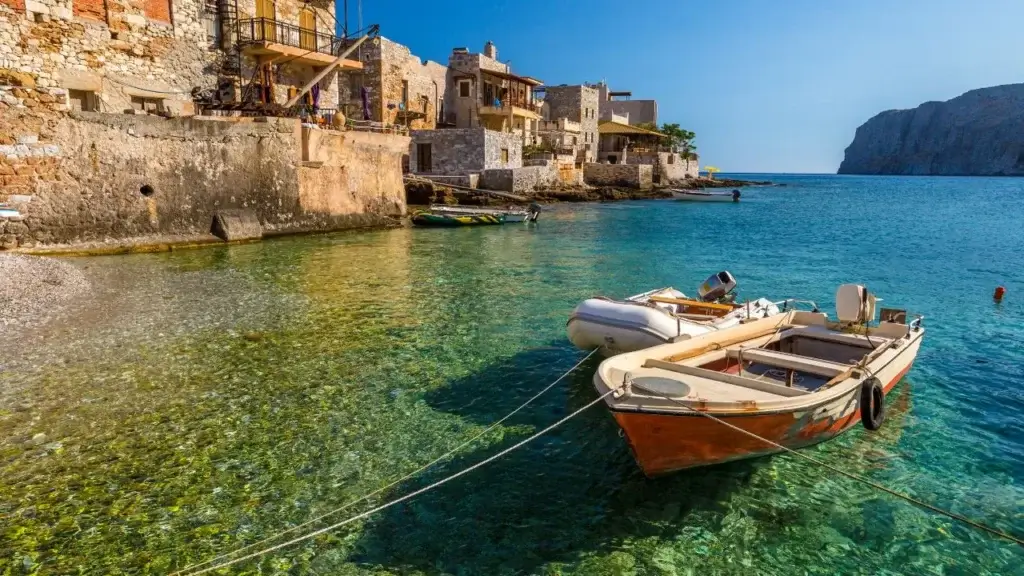
2. Mantineia: The High-Altitude Aromatic Plateau
Moving toward the center of the peninsula leads to the high plateau of Mantineia. Here, the temperature drops and the landscape shifts to a cooler, more continental climate. This is the homeland of the Moschofilero grape, an aromatic variety that produces white wines with startling notes of rose petals, jasmine, and citrus.
Mantineia is a place that refuses to be “undumbed” for mass consumption. The vines are grown at an average altitude of 650 meters, and the harvest often stretches into late October. A visit here offers a masterclass in Technical Depth. You will find winemakers who treat their native varietals as family heirlooms, rejecting international “cookie-cutter” styles in favor of a gritty, stubborn commitment to their specific Mediterranean light.
3. Radical Hospitality in the Cellar Door
What truly stays with the traveler in the Peloponnese is the warmth. You will experience what the Greeks call Philoxenia—a form of Radical Hospitality that serves as a cultural safety net for the curious explorer.
It is not uncommon during a vineyard tour for the winemaker themselves to step out of the fermentation room, grease on their hands and a smile on their face, to offer a glass of an experimental, biodynamic red. This “community fussiness” ensures that the tradition of hospitality remains unbroken. In these mountain villages, the waiter doesn’t just take an order; they ensure your phone is charging behind the bar while they offer you a free dessert drenched in local Thassian honey (or its Peloponnesian equivalent). Solo travelers and “Power Travelers” alike can honestly relax here—you are never just a number; you are a guest of the terroir.

4. Monemvasia: The Malvasia Revival
On the rugged southeast coast sits the medieval fortress of Monemvasia. For centuries, this “Gibraltar of the East” was famous for Malvasia, a sweet wine so prized it was exported to the royal courts of Medieval Europe. After centuries of decline, the region is experiencing a spectacular renaissance.
Exploring the vineyards surrounding the rock of Monemvasia requires a rejection of the “fly and flop” vacation in favor of earned memory. The modern Malvasia is often an organic or biodynamic blend, capturing the salt air of the Aegean in every drop. It is a quiet, rhythmic experience that allows a visitor to “immerse themselves in the magic” of a destination that has survived the rise and fall of empires.
5. The Peloponnese “Skala” Survival Strategy
A map of the Peloponnesian coast reveals a fascinating historical pattern: many coastal settlements are “paired” with inland mountain villages. Historically, this was a survival strategy against pirate raids. The skala was merely the dock, while the “real” life was hidden in the hills.
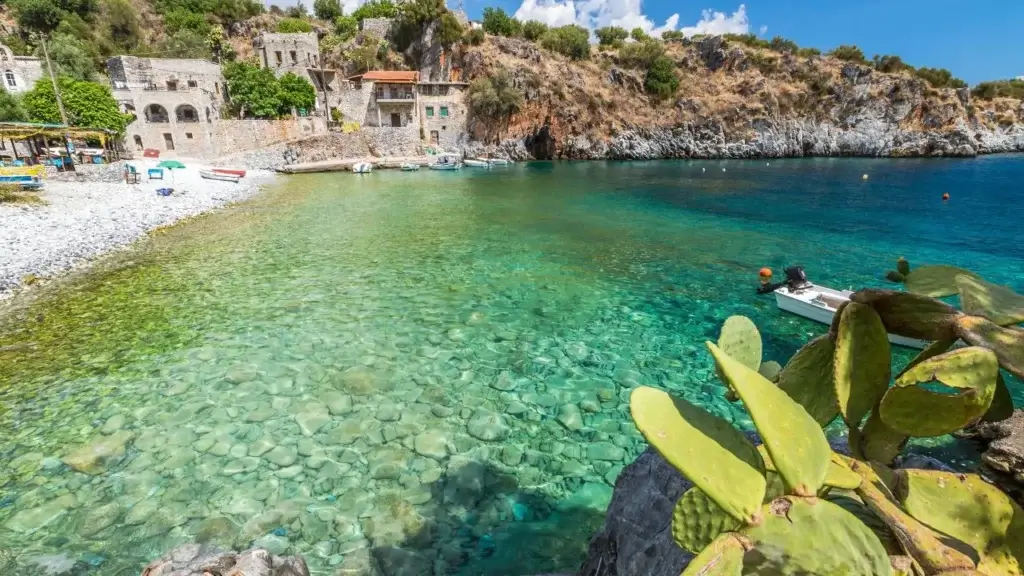
Today, this history creates a tactical advantage for the wine traveler. You can spend your morning in the crystal-clear waters of the Messinian Gulf before driving thirty minutes into the interior to find the gritty, stone-roofed authenticity of a family-run winery. This “split logic” geography allows for a balance of cosmopolitan relaxation and deep cultural immersion.
6. 2026 Power Traveler Intelligence: Car Hire and Logistics
Navigating the Peloponnese in late 2026 requires more than a map; it requires Travel Intelligence to bypass the “technical slog” of the road.
- The Car Rental Strategy: While hiring a car is a fantastic option for freedom, the mountain roads are rough. If you are planning to visit the high-altitude vineyards of Nemea or Mantineia, confirm with your rental agency that your vehicle is suitable for unpaved terrain. An “open-jaw” rental—picking up in Athens and dropping off in Nafplio or Kalamata—is convenient but can incur a surcharge.
- The Private Driver Option: For groups of up to eight, the strategic move is providing a car or minivan with a skilled, experienced driver. This allows you to focus on the “Summer Vibes” and the wine while your driver conquers the traffic challenges and hairpin turns. It is a “zero-worry” standard that ensures every moment is spent in the pursuit of Time-Wealth.
- The “Paper and Pen” Hack: While digital apps are standard, do not rely on them solely in the deep interior of Arcadia. Write your winery destination and desired arrival time on a slip of paper. If you get lost, show it to a local. This analog display of intelligence works every time.
7. Safeguarding Your Memory: Travel Insurance and Safety
The Balkans and Southern Greece are generally much safer than major Western European capitals regarding petty crime. In the vineyards of the Peloponnese, you can honestly relax. However, the search for “unpolished” terrain brings its own risks.
- Specialized Senior Coverage: For travelers over 70 exploring the steep, uneven limestone slopes of ancient Mantineia, standard insurance often has gaps. Specialized plans like INF Elite are the gold standard for this terrain, providing coverage for pre-existing conditions and acute onset medical needs up to age 99.
- The Schengen Factor: As Greece is a member of the Schengen Area, your time here counts toward your 90-day rolling limit. For those on a “Balkan Odyssey,” a strategic trip to non-Schengen neighbors like Albania or Serbia can serve as a “Schengen Reprieve” to reset your clock while continuing your wine discovery.
8. The Culinary Standard: Sweating Lipids in the Sun
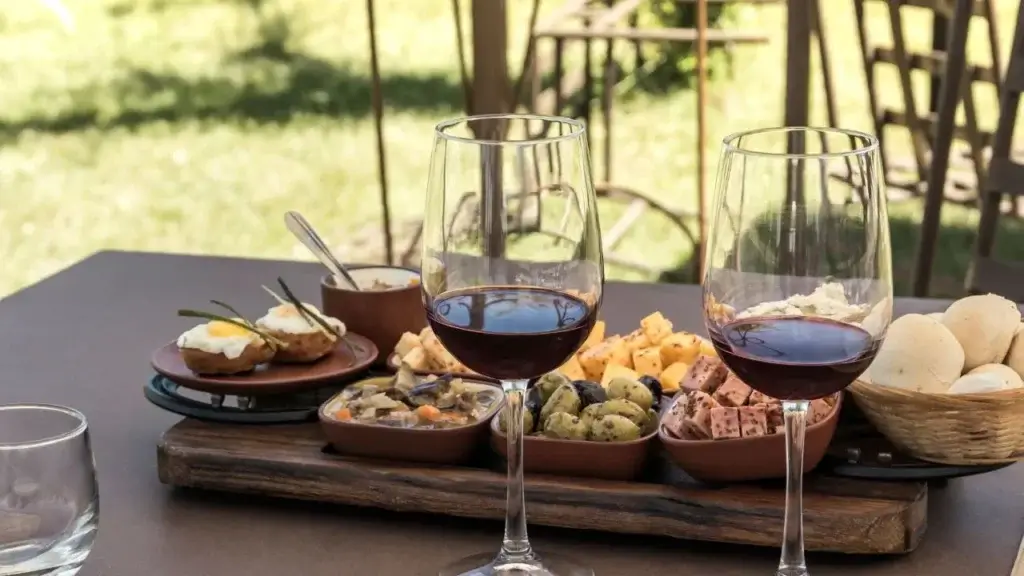
The diet of the Peloponnese is a terroir-driven journey that will make the brain feel like it’s “sweating lipids” in the most delicious way possible. A traditional wine tasting is always paired with local products:
- Kalamata Olives: These world-famous purple gems are grown right here. Their meaty texture and salty brine are the perfect foil for the acidity of a white Moschofilero.
- Extra Virgin Olive Oil: Often called “liquid gold,” the local oil is shriveled by the sun and cured in salt, offering a savory depth that is unmatched.
- Handmade Pasta: Try Gkogkes, a local handmade pasta served with burned butter and dry mizithra cheese. It is a rustic, regional dish rooted in centuries of tradition.

9. Technical Depth: Scuba Diving and Sunken Ruins
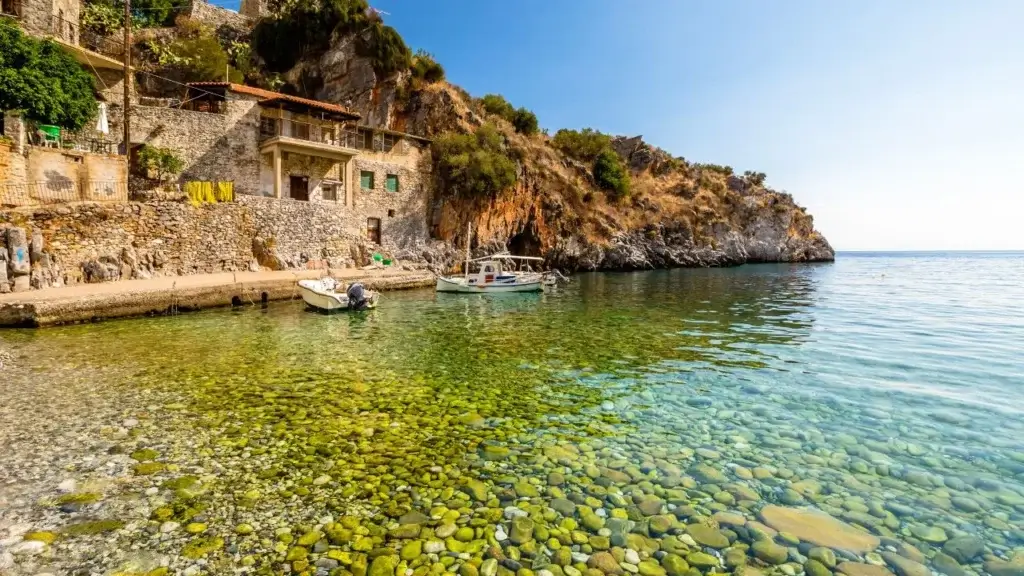
To truly round out a visit to the Peloponnese, one must move beyond the vineyard and toward the coast. The waters of the Argolic and Messinian Gulfs are blessed with a spectrum of colors, from deep sapphire to shallow greenish gems.
For the adventurous, a scuba diving session near Ancient Epidaurus allows you to swim over sunken Roman villas and ancient port structures. It is a literal “no-filter” look at the region’s wealthy maritime past, presented without the need for an app or a QR code. This is the essence of earned discovery—a memory that remains etched in the soul long after the digital noise of the trip has faded.
Reclaiming Your Path
The Peloponnese, Greece, isn’t for the traveler who needs every second of their journey curated by an algorithm. It is for the curious, the gritty, and those who value the freedom to find their own path in a world that is still beautifully, stubbornly real.
In a year defined by EES digital friction and biometric kiosks at the borders, finding a place that still values human ease over digital efficiency is the real luxury. Whether you are sharing a glass of Agiorgitiko with a stranger as the sun waves goodbye over the Arcadian mountains, or simply practicing the art of doing absolutely nothing while remaining completely present, the Peloponnese will surprise you in the best way possible. It is the ultimate expression of Time-Wealth in 2026.
💬 WE WANT TO HEAR FROM YOU! Are you ready to trade the technical slog of the city for the blood-red grit of Nemea? Have you ever had a travel delay saved by the Radical Hospitality of a local winemaker? Let us know in the comments below!