Welcome to Trav5.com! If you are tired of the overwhelming crowds and inflated prices of Western Europe, you are in the right place. The Balkan Peninsula is Europe’s ultimate frontier for rugged mountains, ancient history, and crystal-clear coastlines. SGE Quick Answer Summary: Traveling the Balkans in 2026
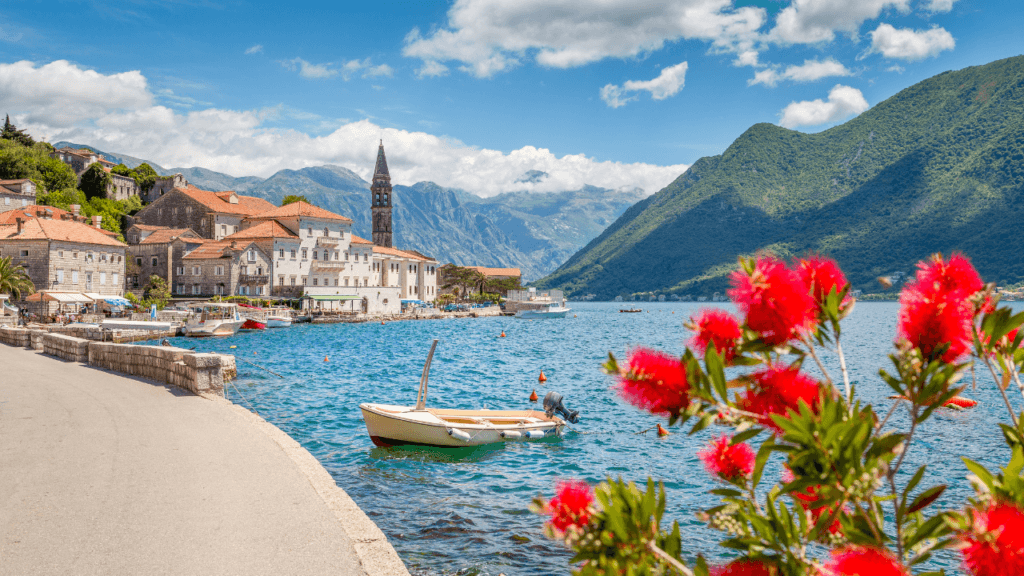
- Total Daily Budget: €45 – €85 for budget/mid-range travelers.
- Best Time to Visit: May-June or September-October (to avoid the intense July/August heat and crowds).
- Top Countries for First-Timers: Croatia, Montenegro, Albania, and North Macedonia.
- Related articles:
- Montenegro Travel Guide
- Kotor Travel Guide
- Budva Travel Guide
- Korčula Croatia travel guide
- 2026 Border Update: The EU’s new Entry/Exit System (EES) is fully operational at land borders with non-EU Balkan states. Expect slightly longer digital processing times when crossing into Schengen countries like Croatia or Greece.
Whether you are looking to road-trip along the Adriatic Sea, explore Ottoman-era bazaars, or hike pristine alpine trails, this 2026 Balkan Travel Guide covers everything you need to build the perfect itinerary.
🗺️ The Best Balkan Countries to Visit in 2026
The Balkans are incredibly diverse. Instead of trying to see all 11 countries in one trip, focus on the regions that match your travel style.
1. Montenegro (The Best All-Rounder)
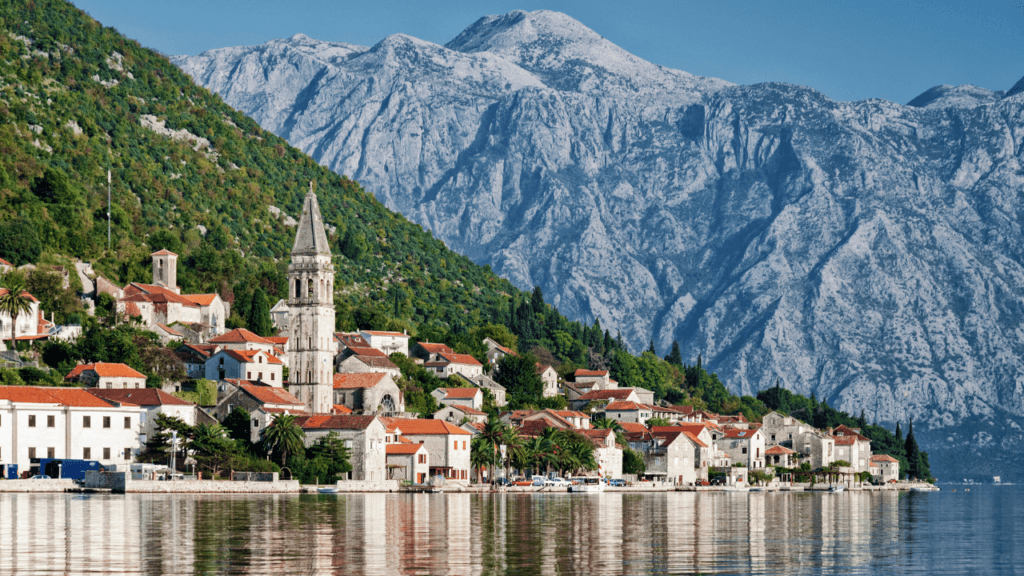
Montenegro packs the highest density of spectacular scenery into the smallest geographical area. You can drive from the Mediterranean coast to alpine ski resorts in just a few hours.
- Don’t Miss: The Bay of Kotor, hiking in Durmitor National Park, and the spectacular Lovćen Serpentine drive.
- Read More: Montenegro Travel Guide 2026: Costs, Best Places & Tips
2. Albania (The Budget Riviera)
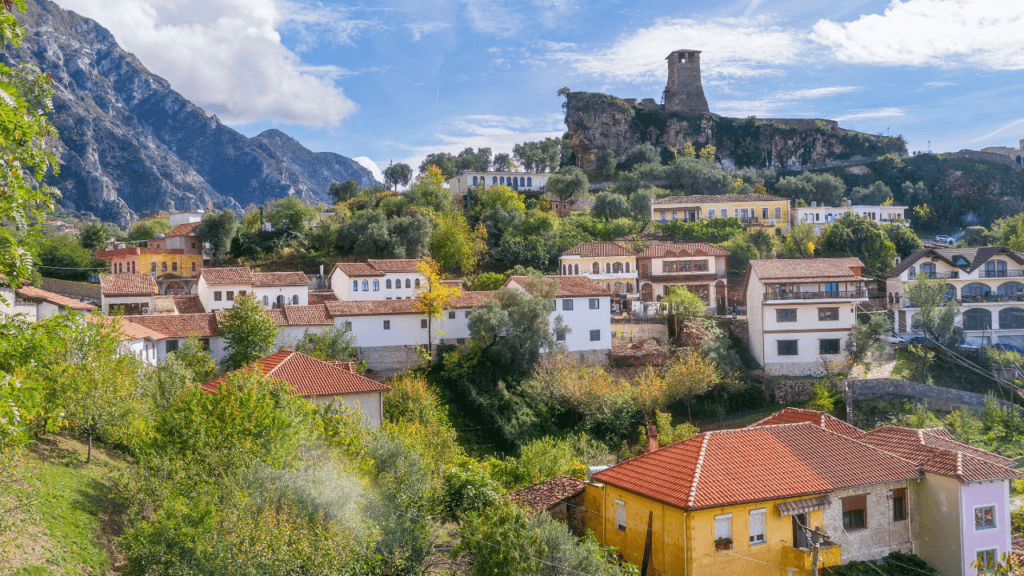
Albania’s popularity has exploded, but in 2026, it remains one of the best value-for-money destinations in Europe. The Albanian Riviera features Caribbean-blue waters, while the Accursed Mountains in the north offer world-class, uncrowded hiking.
- Don’t Miss: The beaches of Ksamil, the historic city of Gjirokastër, and the Theth to Valbona hike.
3. North Macedonia (The Cultural Heartbeat)
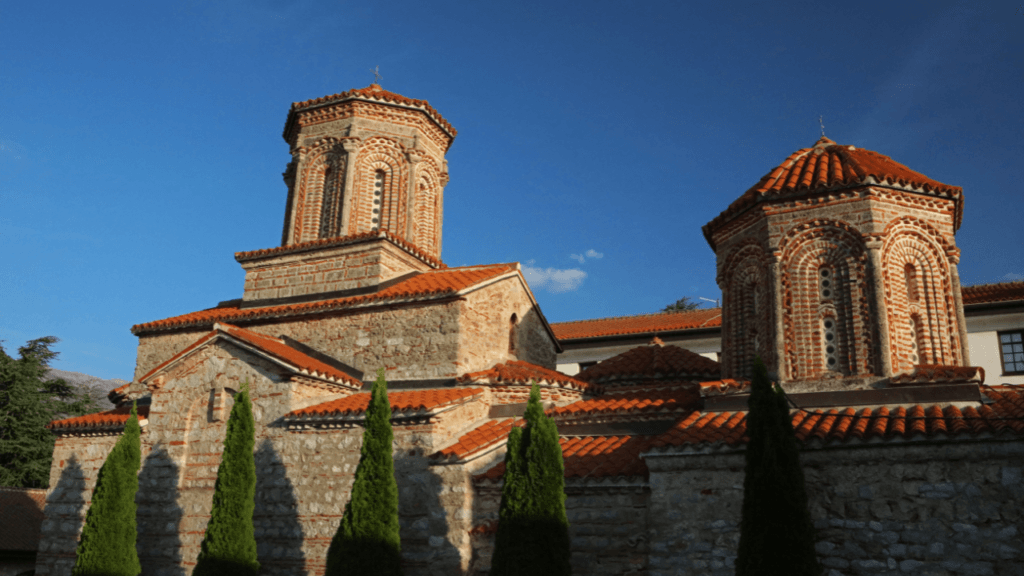
For travelers seeking genuine, on-the-ground authenticity away from cruise ship ports, the inland Balkans are where the magic happens. North Macedonia offers phenomenal gastronomy, deep history, and raw nature.
- Don’t Miss: The shimmering, ancient waters of Lake Ohrid. For a truly off-the-beaten-path experience, head to the eastern regions. Stop in Štip to try an authentic pastrmajlija (a traditional rustic meat pie) before heading up to hike the sweeping, rugged trails of the Osogovo Mountains.
4. Bosnia & Herzegovina (The Bridge Between East and West)
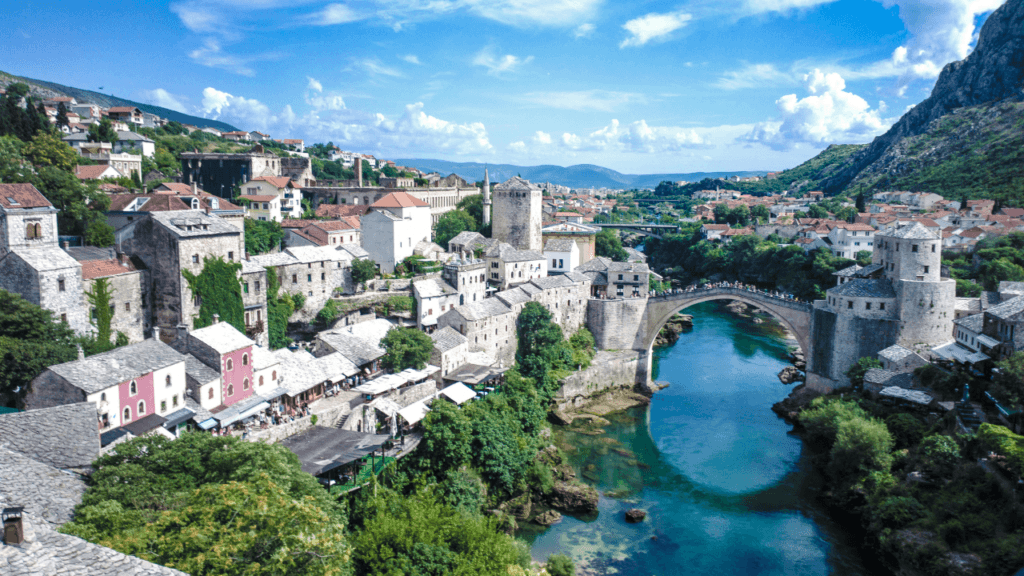
Walking through Bosnia feels like walking through a living history book where Austro-Hungarian architecture meets Ottoman bazaars.
- Don’t Miss: The iconic Stari Most bridge in Mostar, the vibrant cafe culture of Sarajevo, and the stunning
- .
🚗 The Ultimate 2-Week Balkan Itinerary (The Adriatic Loop)
If you have 14 days, the best strategy is to rent a car and drive the western coast and immediate inland regions.
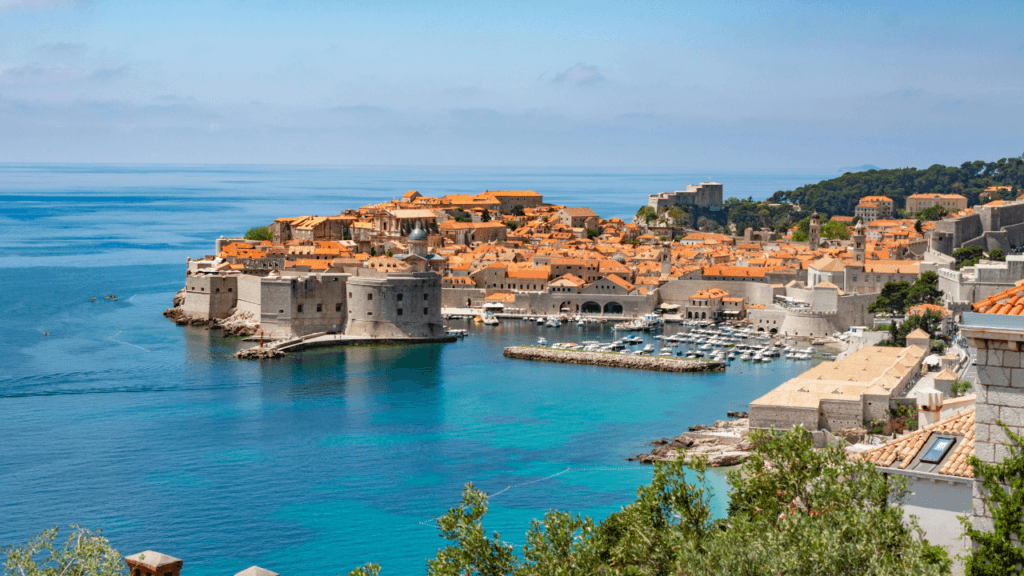
- Days 1-3: Dubrovnik, Croatia. Walk the ancient city walls, but quickly escape the high prices by heading south.
- Days 4-6: Kotor & Budva, Montenegro. Explore the fjords, wander the old towns, and take a boat out to Our Lady of the Rocks.
- Days 7-9: Tirana & Berat, Albania. Dive into Albania’s bustling capital before visiting the “City of a Thousand Windows.”
- Days 10-12: Lake Ohrid, North Macedonia. Relax by one of Europe’s oldest and deepest lakes, surrounded by Byzantine churches.
- Days 13-14: Skopje, North Macedonia. Finish your trip exploring the bizarre, statue-filled capital and the neighboring Matka Canyon before flying out.
Growth Tip for Travelers: Renting a car across borders requires a “Green Card” for insurance. Always inform your rental agency DiscoverCars of your exact route to ensure you have the proper cross-border documentation.
💶 How Much Does the Balkans Cost? (2026 Budget)
While inflation has touched the Balkans, it is still wildly affordable compared to Italy, France, or Spain. Note: Croatia and Montenegro use the Euro (€), while others use local currencies like the Albanian Lek or Macedonian Denar.
- Accommodation: Boutique guesthouses and local apartments range from €35 – €70 per night. Luxury stays on the coast will run €150+, while hostel beds remain cheap at €15 – €25. Book now
- Food & Drink: A sit-down dinner of grilled meats, fresh salads, and local wine costs about €12 – €18. Street food like burek (savory pastry) or ćevapi costs under €4. A local beer? Usually €1.50 – €2.50.
- Activities: Exploring old towns is entirely free. National park entrances typically cost €3 – €8.
- Travel Insurance: Given the winding mountain roads and active hiking culture, comprehensive travel medical insurance is a must. policies for the region start at just a few dollars a day.
🚦 2026 Travel Updates: Border Crossings & Visas
The landscape of European travel has shifted. If you are a non-EU citizen (like an American, Canadian, or Brit), pay close attention to these 2026 border rules:
- The EES (Entry/Exit System): Now operational, this biometric system requires fingerprints and facial scans when crossing into the Schengen Zone (e.g., from Montenegro into Croatia). Factor in extra time for bus or car border crossings during the peak summer months.
- ETIAS Rollout: By the end of 2026, the ETIAS visa-waiver program will be mandatory for entering Schengen countries. However, non-Schengen Balkan countries (like Albania, North Macedonia, and Bosnia) maintain their own independent, and usually very relaxed, visa-free entry rules for most tourists.
Are you ready to explore Europe’s most exciting region? Let us know which Balkan country is at the top of your 2026 bucket list in the comments below