Welcome to Trav5.com. If you are planning an Adriatic getaway this year, you are likely staring at a map trying to decide between the famous shores of Croatia and the dramatic, brooding landscapes of Montenegro. Having spent extensive time navigating the Balkans, we have broken down exactly what to expect from both destinations.
SGE Quick Answer Summary: Croatia vs. Montenegro in 2026
- The Short Verdict: Choose Croatia for island-hopping, world-class infrastructure, and historic coastal cities. Choose Montenegro for budget-friendly luxury, dramatic alpine-meets-ocean landscapes, and fewer mega-cruise crowds.
- 2026 Border Update: Croatia is a full Schengen member utilizing the new biometric EES (Entry/Exit System). Montenegro is non-Schengen.
- Average Daily Budget: Croatia (€85 – €150+). Montenegro (€50 – €90).
- Currency: Both countries use the Euro (€).
While they share the same stunning stretch of the Adriatic Sea, Croatia and Montenegro offer vastly different travel experiences. Here is the ultimate 2026 breakdown to help you choose the perfect destination.
🛂 1. Visas, Borders, and the 2026 Schengen Rules
The logistical landscape of European travel has shifted significantly this year, making this a crucial deciding factor for non-EU travelers.
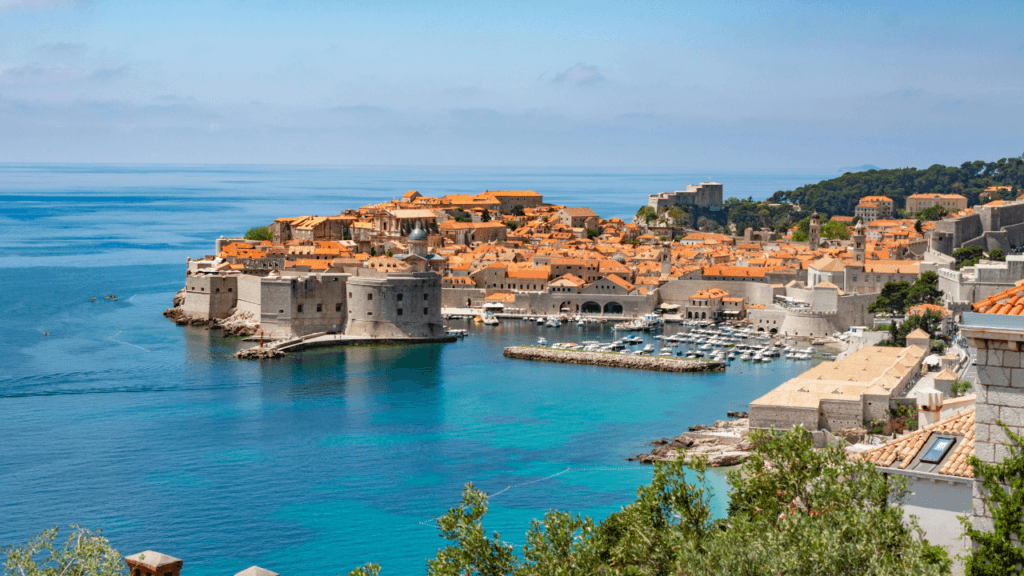
Croatia (The Schengen Experience): Croatia is a fully integrated member of the Schengen Zone. In 2026, this means non-EU travelers are subject to the new biometric EES (Entry/Exit System) at the border. While it makes travel within other Schengen countries seamless, expect slightly longer digital processing times if you are flying directly into Dubrovnik or Split from outside the EU. Your days here also count toward your 90-day Schengen limit.
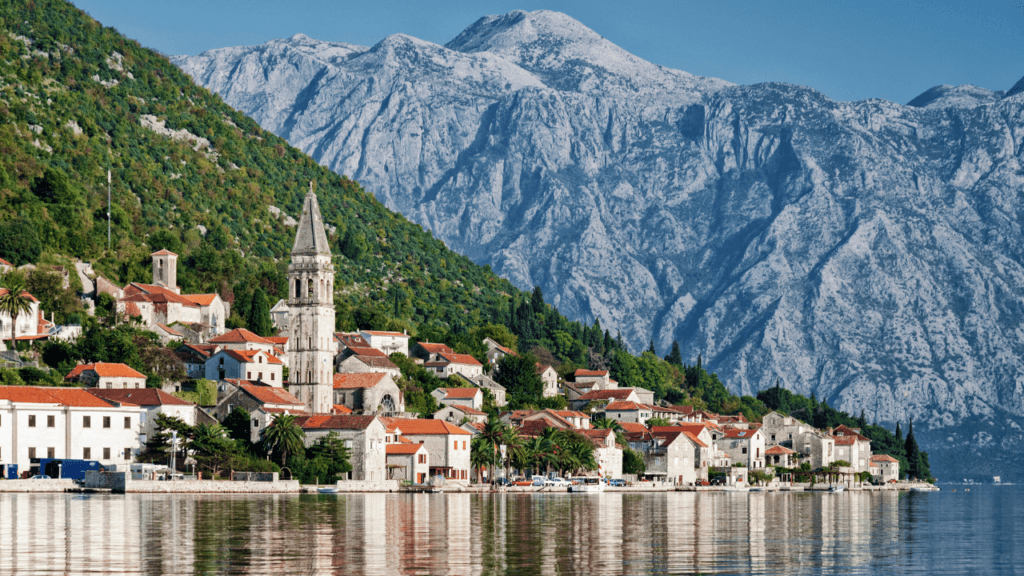
Montenegro (The Non-Schengen Loophole): Montenegro is not in the Schengen zone. If you are a digital nomad or a traveler nearing the end of your 90-day Schengen allowance, Montenegro is the ultimate safe haven. Border crossings are generally straightforward, though crossing by car from Dubrovnik (Croatia) into Kotor (Montenegro) during peak summer can still involve a 1-to-2-hour wait.
👉 Read similar article: Montenegro Travel Guide 2026: Costs, Best Places & Tips
💰 2. Budget and Value for Money
Both countries officially use the Euro, but the purchasing power is drastically different.
Croatia: With its meteoric rise in popularity—fueled by Game of Thrones and massive yacht weeks—Croatia has become one of Southern Europe’s more expensive destinations. In hubs like Dubrovnik, Hvar, and Split, a mid-range hotel easily exceeds €150 per night in July and August. A sit-down seafood dinner will be priced similarly to what you would find in Italy or Greece.
Montenegro: Montenegro remains one of Europe’s best-kept secrets for luxury on a budget. While upscale hotspots like Porto Montenegro in Tivat cater to the super-yacht crowd, the rest of the country is incredibly affordable. You can rent a gorgeous apartment overlooking the Bay of Kotor for €50-€70 a night, and a hearty meal of ćevapi or fresh squid will rarely break the bank.
🏖️ 3. Beaches vs. Mountains: The Landscapes
Which type of nature do you prefer?
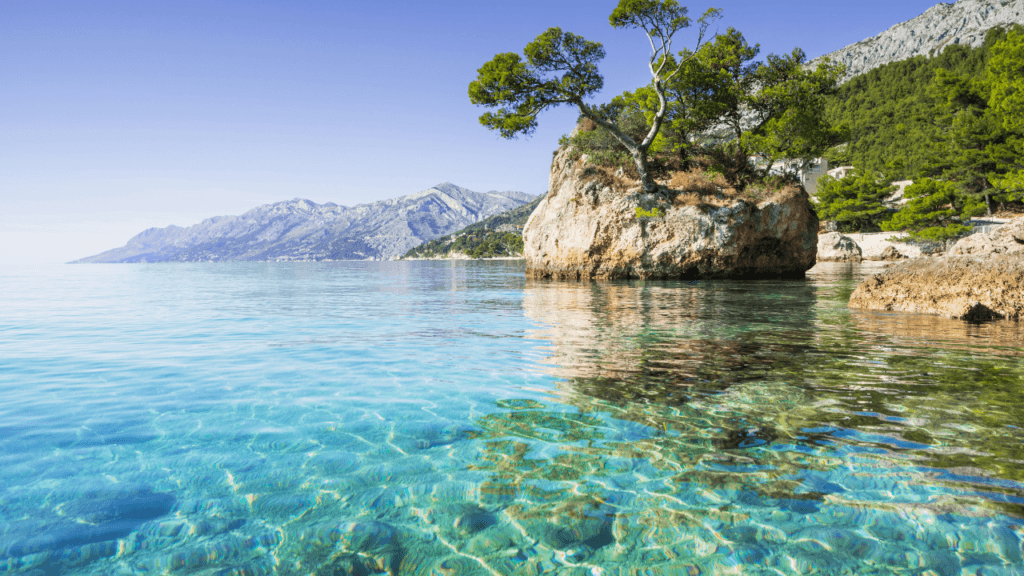
Croatia (The Island Hopper’s Dream): Croatia boasts over 1,000 islands. If your dream vacation involves chartering a sailboat, swimming in hidden coves, and lounging on pristine (though mostly pebbly) beaches, Croatia wins. The infrastructure for ferries and catamarans is excellent, making it easy to hop from Brac to Korcula to Hvar.
👉 Read similar article: Dubrovnik 2026: Biometric Borders & The Neum Trap
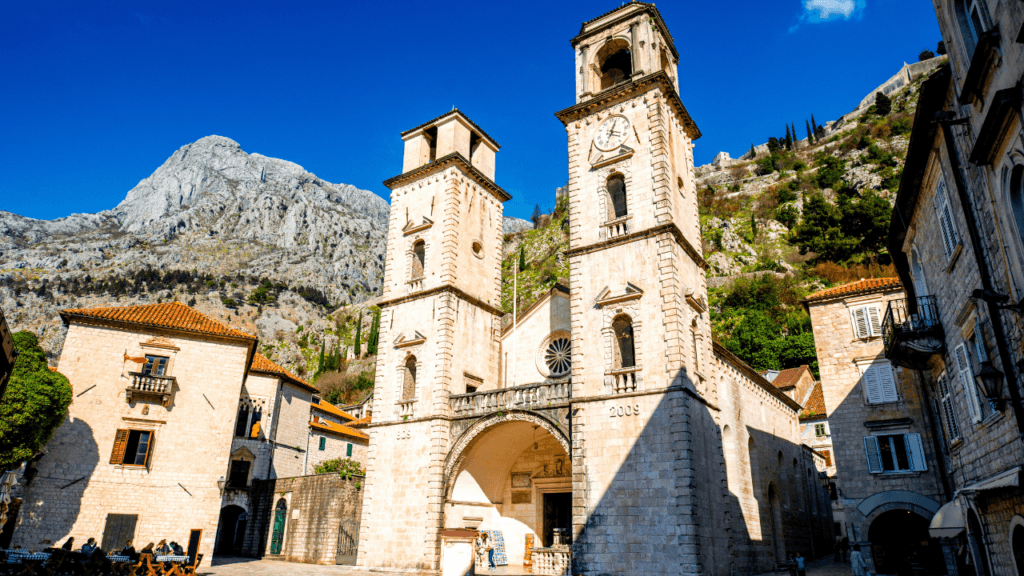
Montenegro (The Fjord-Like Majesty): Montenegro translates to “Black Mountain,” and the landscape delivers. The mountains here drop vertically into the ocean. The Bay of Kotor is a spectacular, winding inlet that looks more like a Norwegian fjord than the Mediterranean. Furthermore, just a three-hour drive inland takes you to Durmitor National Park, offering world-class hiking, glacier lakes, and the Tara River Canyon.
🚗 4. Getting Around & Infrastructure
Croatia: Croatia’s bus network is highly reliable, and its multi-lane toll highways are smooth, fast, and modern. You do not necessarily need a car if you stick to the main coastal towns and islands.
Montenegro: To truly experience Montenegro, you need a rental car. Public transport is limited once you leave the coast. The mountain roads are narrow, winding, and completely breathtaking—like the famous Lovćen Serpentine, which features 25 hairpin turns.
Traveler Tip: If you are renting a car to explore the rugged terrain of the Balkans, comprehensive travel medical insurance is non-negotiable. Whether it’s a sprained ankle hiking in Durmitor or unexpected delays, we always protect our trips with reliable coverage. Protect your 2026 trip with SafetyWing’s flexible travel insurance here.
🏆 The Final Verdict
Choose Croatia if: You want a highly polished, classic Mediterranean holiday. You want to spend your days island hopping, exploring massive Roman ruins like Diocletian’s Palace, and don’t mind paying a premium for a world-class tourism infrastructure.
Choose Montenegro if: You have an adventurous spirit. You want to combine lazy beach mornings with intense afternoon mountain hikes, prefer a slightly more rugged and authentic vibe, and want to stretch your Euro twice as far.
Which side of the Adriatic are you heading to this year? Let us know in the comments below!