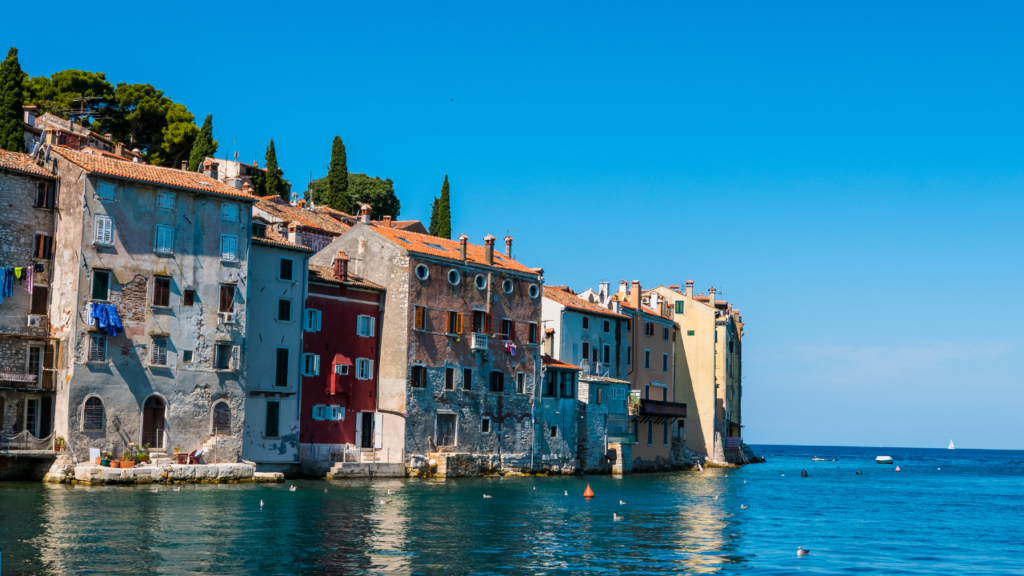
I still remember the exact moment the salty breeze of the Adriatic Sea hit my face as I rounded the final bend toward the Istrian coast. My GPS confidently announced I had arrived, but my eyes completely disagreed. I hadn’t just arrived in a coastal town; I had stumbled headfirst into a Renaissance painting.
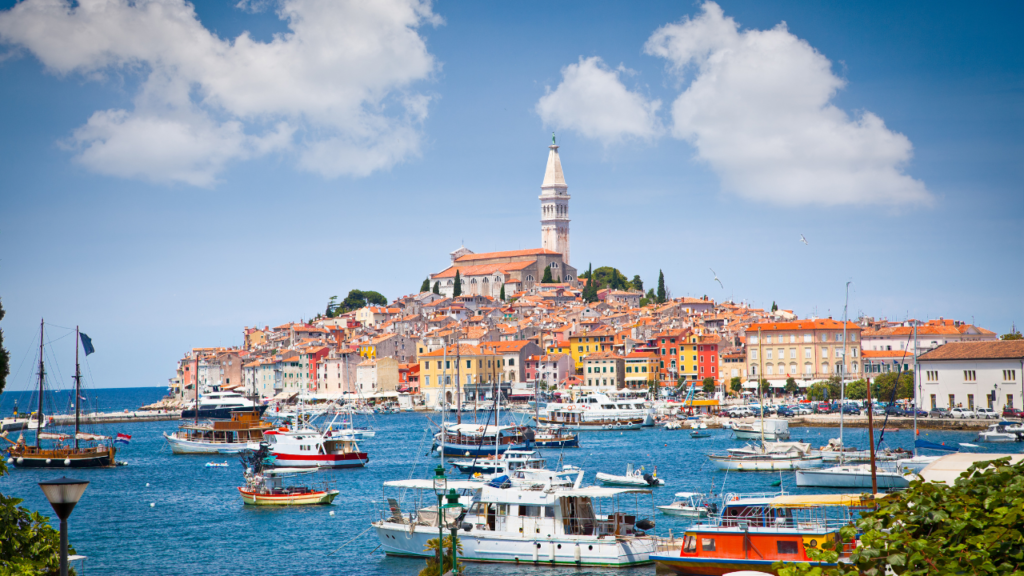
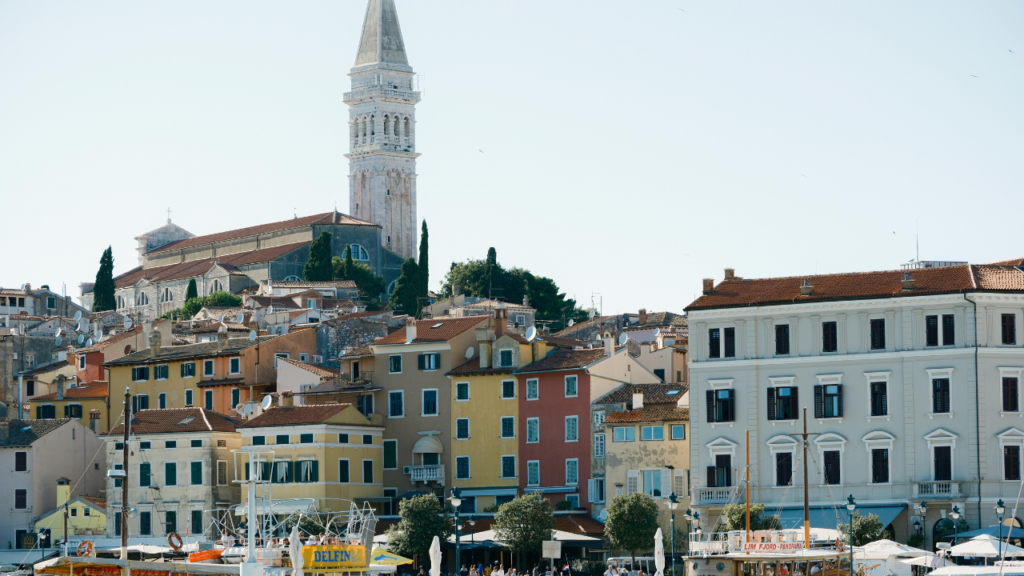
The pastel-colored houses rose straight out of the turquoise water, packed tightly together on a tear-shaped peninsula, all spiraling upward toward a singular, dominant bell tower that seemed to pierce the sky.
If you crave the ultimate Mediterranean escape—one that perfectly balances rich history, jaw-dropping scenery, and world-class food Rovinj, Croatia, delivers on every front. Forget the over-crowded, tourist-heavy traps of southern Europe. Up here in the northern peninsula of Istria, life moves at a different, infinitely more enjoyable pace.
Whether you are plotting a romantic getaway, a solo backpacking trip across the Balkans, or a summer family holiday, this town deserves the top spot on your itinerary. Let’s cut to the chase. Here are 7 specific, undeniable reasons why you need to pack your bags for this Croatian paradise.
1. Lose Yourself in Rovinj Old Town
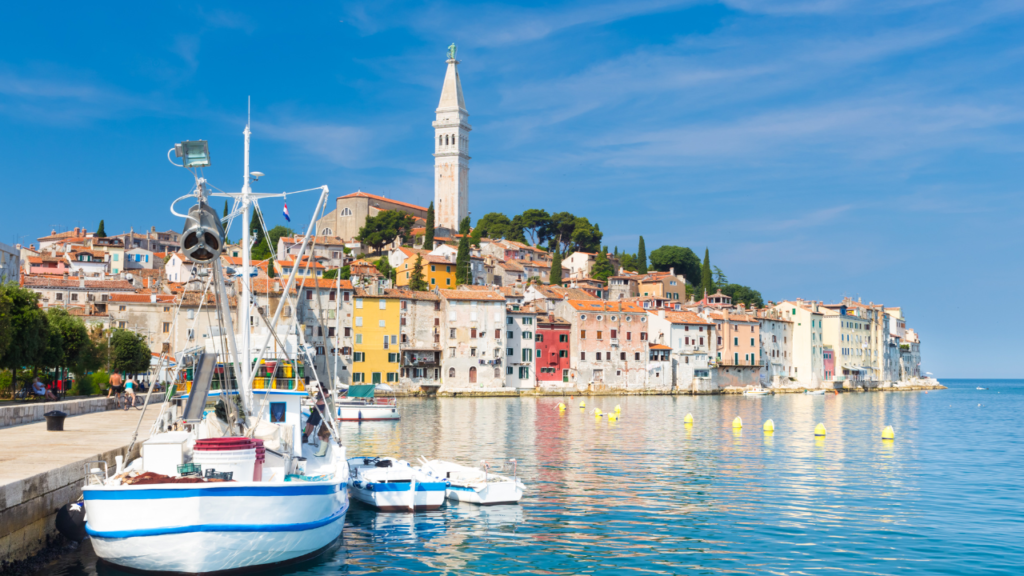
The absolute best thing to do in Rovinj costs exactly zero dollars: getting completely and utterly lost.
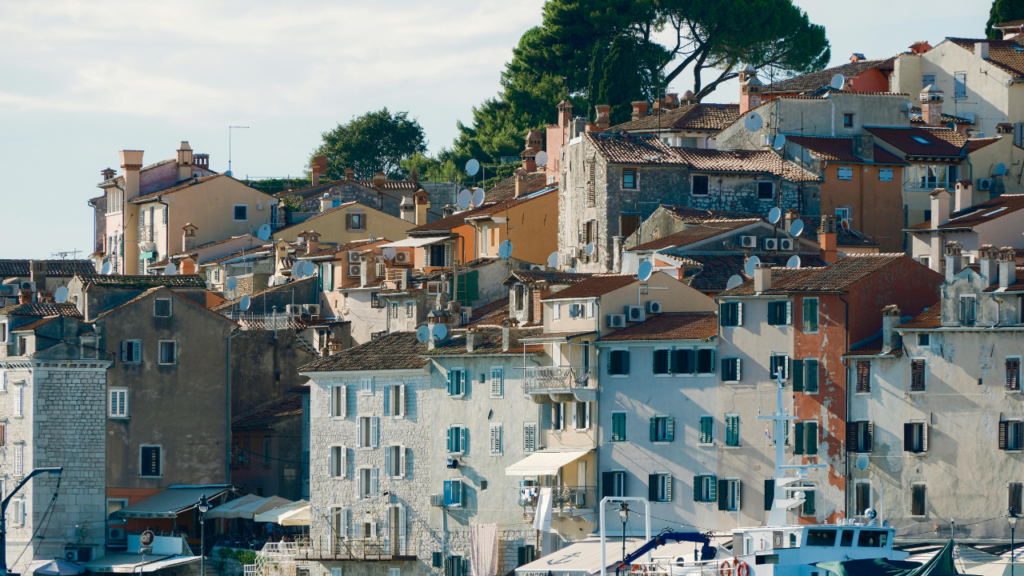
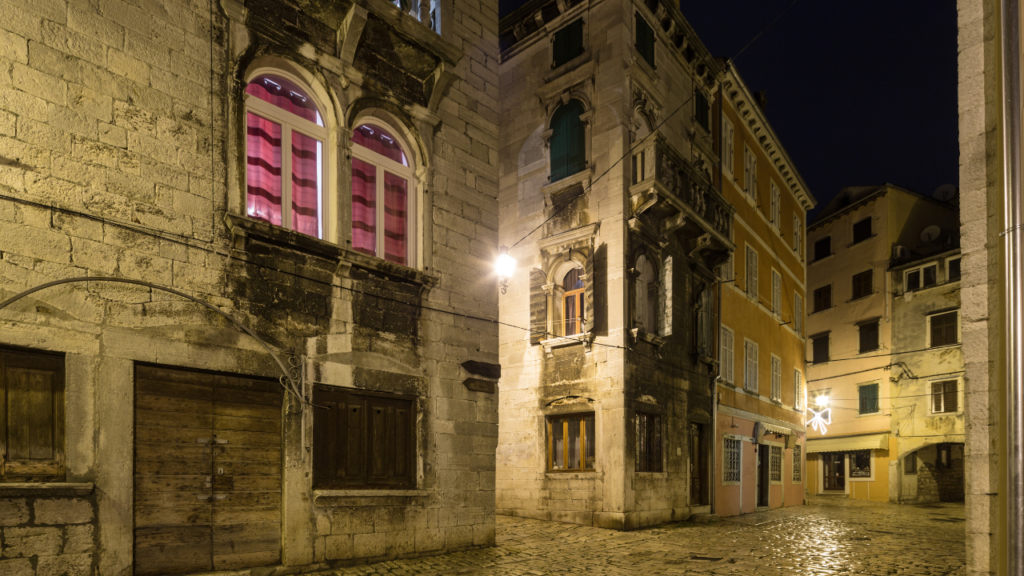
The Old Town is a dense, pedestrian-only labyrinth of narrow, winding cobblestone streets. Because the town was originally an island (the channel separating it from the mainland was filled in during the 18th century), space was highly restricted. Buildings were built tall and tight. Today, this architectural quirk creates a maze of shaded alleyways that offer a cool respite from the fierce summer sun.
As you wander, you’ll notice the slick, shiny limestone under your feet, polished smooth by centuries of footsteps. You’ll pass laundry strung across alleys like colorful banners, local artists selling paintings out of hole-in-the-wall galleries on Grisia Street, and tiny cafes spilling out onto uneven stone steps.
Don’t use a map. Just walk. You’ll eventually hit the sea on one side or the grand church at the top. Along the way, I guarantee you’ll stumble upon a hidden wine bar or a seaside cliff where locals dive into the water. It’s authentic, lived-in, and unapologetically beautiful.
2. Climb the Bell Tower of St. Euphemia
Every street in the Old Town leads upward, and they all converge at the Church of St. Euphemia. This massive Baroque building dominates the skyline, but the real star of the show is the 60-meter bell tower standing proudly beside it.
If it looks familiar, there’s a reason. It was modeled directly after St. Mark’s Campanile in Venice. (Rovinj was under Venetian rule for over 500 years, and the Italian influence is woven into the town’s DNA—even the street signs are bilingual in Croatian and Italian).
Now, a word of warning: climbing this tower is not for the faint of heart. The wooden stairs are ancient, narrow, and creaky. You can see straight down through the gaps in the wood as you climb. My calves were screaming, and my mild fear of heights was definitely triggered. But the moment you emerge at the top? Total sensory reward.
You get an unobstructed, 360-degree panoramic view of the red terracotta roofs below, the vast expanse of the deep blue Adriatic, and the lush green islands scattered across the horizon. At the very top spins a copper statue of St. Euphemia herself, acting as a weather vane. If she points toward the sea, expect clear skies. If she points toward town, grab an umbrella.
3. Taste the Best Istrian Truffles and Wine
Let’s talk about food, because the culinary scene here will ruin you for life. I mean that as a compliment.
Istria is often called the “New Tuscany,” but honestly? It holds its own without needing the comparison. The soil here produces some of the finest olive oils and wines on the planet. But the undisputed king of Istrian gastronomy is the truffle.
On my second night, I tucked into a small konoba (a traditional Croatian tavern) tucked down a side street. I ordered fuži—a local hand-rolled pasta—drenched in a creamy black truffle sauce. The earthy, pungent aroma hit my nose before the waiter even set the plate down. I took one bite, closed my eyes, and seriously considered canceling my flight home.
Pair your meals with a crisp glass of Malvazija (the local white wine, perfect for hot summer days) or a robust Teran (a rich, ruby-red wine). And since you are on the coast, the seafood is pulled straight from the water hours before it hits your plate. Grilled sea bass, garlic-drenched scampi, and fresh oysters from the nearby Lim Fjord are mandatory eating.
4. Discover the Magic of Punta Corrente Forest Park
Sometimes, you need a break from the stone and the crowds. When you do, walk 15 minutes south of the town center to Punta Corrente (also known as Zlatni Rt, or the Golden Cape).
This protected forest park is a botanical masterpiece. Planted in the late 19th century by an Austrian count, the park features towering Himalayan cedars, Douglas firs, and Mediterranean pines that stretch right down to the water’s edge.
The contrast between the deep green of the forest and the dazzling blue of the sea is striking. I rented a bicycle and spent an entire afternoon pedaling along the dirt paths that hug the coastline. The scent of pine needles mixing with the salty sea air is the unofficial fragrance of the region.
For the adrenaline junkies, Punta Corrente also features a massive former quarry that has been transformed into a rock-climbing haven. You can scale sheer rock faces with the waves crashing literally steps behind you.
5. Sail the Rovinj Archipelago
You haven’t truly seen the town until you’ve seen it from the water. The Rovinj archipelago consists of 14 islands and islets, each offering its own unique vibe.
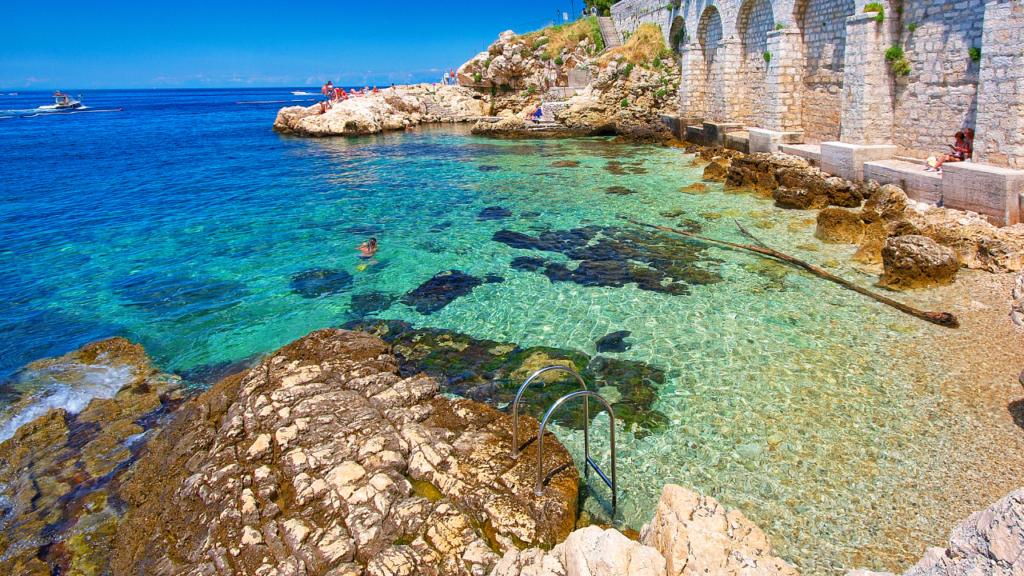
Head down to the harbor and hop on a boat. You can take a quick, cheap ferry to Katarina Island or Red Island (Crveni Otok). Both offer fantastic, pebble-strewn beaches and secluded coves where you can swim in water so clear it looks like a swimming pool.
If you want a more emotional experience, book a sunset sailing tour. We boarded a traditional wooden boat just as the sky began to turn violent shades of pink and orange. Watching the sun melt into the Adriatic while the lights of the Old Town flickered to life across the water was one of those rare, perfect travel moments that permanently lodges itself in your memory.
6. Soak Up the Sun at Lone Bay
Croatia isn’t known for sandy beaches. If you come expecting wide expanses of white sand, you will be disappointed. However, what it lacks in sand, it makes up for in dramatic, pristine pebble bays and rocky outcrops.
Lone Bay (Uvala Lone) is arguably the most popular beach in the area, and it sits right at the entrance to Punta Corrente. The water here is calm, shallow, and unbelievably refreshing. You can rent a sunbed, grab an ice-cold local Karlovačko beer from the beach bar, and spend the day alternating between baking in the Mediterranean sun and cooling off in the sea.
Make sure you bring water shoes! The pebbles can be harsh on bare feet, and sea urchins love to hide in the rocky shallows. (The presence of sea urchins is actually a testament to how impeccably clean the water is, so don’t let them scare you off).
7. Experience the Local Fishermen’s Heritage
Despite the influx of modern tourism, this place remembers its roots. It was, and in many ways still is, a humble fishing village.
To connect with this history, visit the Batana Eco-museum. A batana is a traditional wooden fishing boat with a flat bottom, unique to this specific stretch of coast. The museum is tiny, but it packs an emotional punch, telling the stories of the generations of families who relied on the sea to survive.
In the summer, locals celebrate their heritage with Batana parades. Fishermen row their illuminated wooden boats around the harbor at dusk, accompanied by the soulful sounds of bitinada—traditional polyphonic folk singing. Following the boats, the crowd usually ends up at a spacio (a traditional fishermen’s tavern) where the wine flows freely, fresh sardines sizzle on the grill, and the singing continues late into the night. It’s chaotic, joyful, and completely authentic.
Practical Travel Tips for Your Trip
To make sure your adventure goes off without a hitch, here are the essential logistics you need to know.
How to Get to Rovinj
Getting here requires a little bit of effort, but that’s exactly what keeps the massive tourist crowds at bay.
- By Air: The closest airport is Pula (PUY), located about 40 minutes south. From there, you can take a bus, rent a car, or grab a taxi. You can also fly into Venice, Italy (VCE), and take a beautiful 3-hour high-speed ferry directly across the Adriatic Sea.
- By Car: Driving through Istria is a dream. The highways are modern, the tolls are easy to navigate, and the rolling hills of vineyards and olive groves make for a stunning road trip. Just remember: you cannot drive inside the Old Town. You will need to park in one of the designated lots on the perimeter.
The Best Time to Visit
Timing is everything.
- Summer (July & August): This is peak season. The weather is hot (usually around 30°C / 86°F), the sea is perfectly warm, and the nightlife is buzzing. However, expect higher prices and larger crowds.
- Shoulder Seasons (May, June, September, October): In my opinion, this is the absolute best time for Istria travel. The weather is warm enough for swimming, but the streets are breathable. Plus, September and October bring the autumn harvest—meaning fresh truffles and the grape harvest for wine.
Where to Stay
Because the town is compact, location matters.
- For Romance and Atmosphere: Stay right in the Old Town. There are dozens of boutique hotels and private apartments hidden inside 400-year-old stone buildings. You will have to carry your luggage over cobblestones, but waking up to the sound of church bells and seagulls is worth it.
- For Luxury and Beaches: Look just south of the town center near Mulini Beach. Properties like the Grand Park Hotel offer insane, five-star luxury with infinity pools that look directly back at the Old Town skyline.
Final Thoughts
There is a specific rhythm to life here. It’s found in the morning clink of espresso cups, the slap of the waves against the stone harbor, and the lingering taste of sea salt and truffle oil.
Rovinj, Croatia, isn’t just a place you visit to check off a list. It’s a place you feel. It’s a place that forces you to slow down, put your phone in your pocket, and actually participate in the beauty of the present moment.
If you’re ready to swap the hustle of daily life for a slower, richer, and infinitely more beautiful reality, the Adriatic is waiting. Book the ticket. You won’t regret a single second.
_________________________________________________________________________________
Make your trip or vacation as 100% fun and educational as possible!
To do so, simply click the link below (Select a destination). Once you open the link, choose and enter the destination you would like to visit. You will then be directed to a page hosted by the renowned company “Get Your Guide,” where you will find a variety of organized tours in that area and all of it is online, without waiting in long lines and without wasting time.
These tours are led by highly trained guides who will be at your disposal and will share a wealth of information you may not have known before.
We wish you a wonderful and enjoyable trip!
–
–