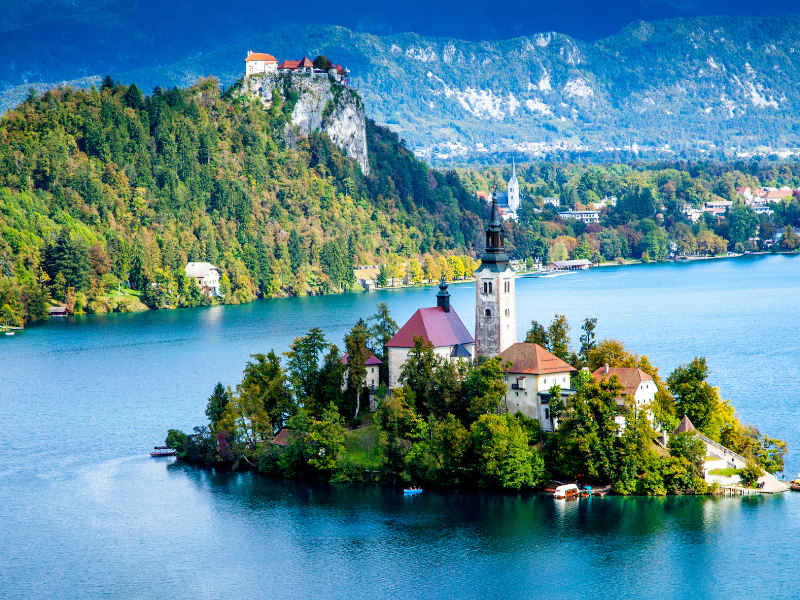
As the 2026 travel season gets underway, Lake Bled remains the crown jewel of the Julian Alps. People often call it a magical spot on the “sunny side of the Alps.” For the “Power Traveler” – an affluent, selective explorer over 50 who values free time and real rest – it is a must-see.
Still, a trip to Slovenia in 2026 takes more than a camera. Travelers also need current travel knowledge to handle the European Union’s new digital border rules and the logistical changes taking place across the Balkans
1. The 2026 Biometric Frontier: The April Deadline
Slovenia is a well-connected member of both the Schengen Area and the Eurozone. That puts it near the front of the EU’s new digital border system. Starting in late 2025, with full operation expected by April 10, 2026, the Entry/Exit System (EES) will replace hand-stamped passports with required biometric checks.
For non-EU visitors, the first entry into Slovenia will include fingerprints and a face scan at a self-service kiosk. The system is meant to speed things up, but the first months may bring long lines and plenty of “digital friction” at busy points such as Ljubljana Airport. Savvy travelers are making Bled their comfortable base, entering the Schengen zone through Slovenia before continuing farther into Europe.
2. Technical Depth: Beyond the Postcard
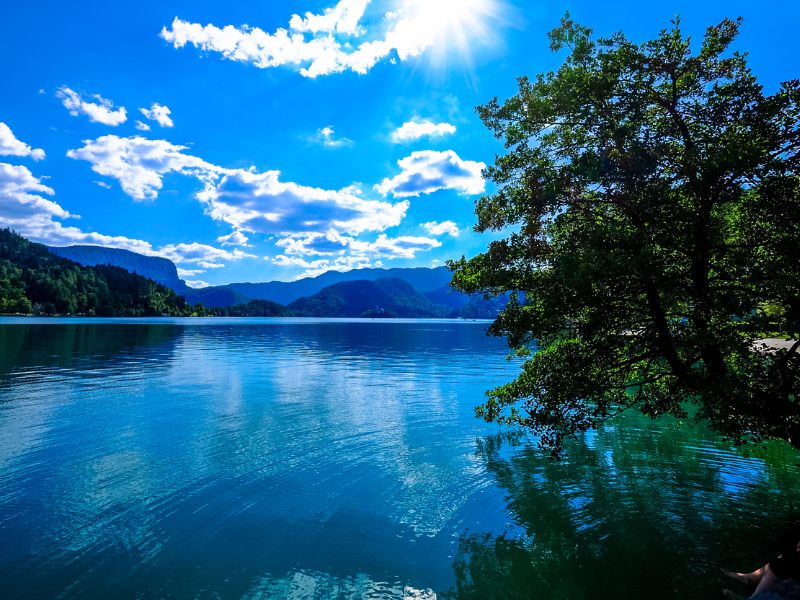
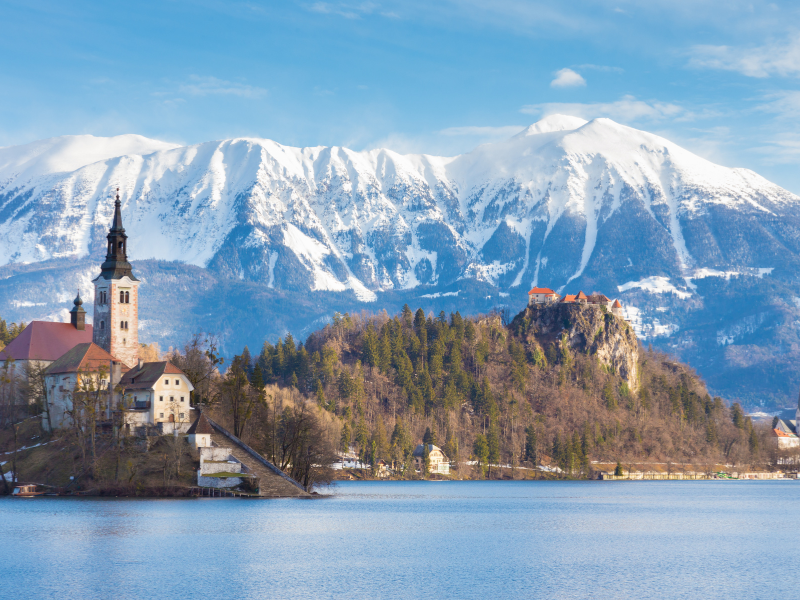
Bled is known for its green-blue lake and famous church island. The real appeal, though, comes from the experiences that take more effort than a quick photo [Previous Conversation].
The Pletna Ritual: Skip the motorboats and take a traditional Pletna boat to the island. The ride offers a close look at Slovenian history, local skill, and perseverance.
The Oldest Castle: Bled Castle sits high on a steep cliff and is the oldest castle in Slovenia . Its rampart views of the Alps may be “10 times better” than the view from the lakeshore.
Kremšnita Standard: A visit is not complete without the well-known local cream cake. It is a small but important part of Slovenian hospitality, and a welcome break for anyone spending the day outdoors.
Scientific Comfort: The The Greytt Score Standard
For the Gen Greytt demographic, luxury is being redefined as “Scientific Comfort“ [Previous Conversation]. Discerning travelers are no longer booking based on Instagram filters; they are utilizing the Greytt Score™, a proprietary audit system that vets Balkan accommodations for:
- Physical Safety: Vetting for step-free accessibility and intuitive layouts in Alpine properties.
- Optimal Environments: Prioritizing high-quality lighting and 24/7 wellness support to reduce injury risks.
4. Elite Protection: Bridging the Senior Coverage Gap
Travelers in the Alpine region often run into a serious Senior Coverage Gap. Regular travel insurance and credit card plans can act as “paper shields.” Benefits may shrink after age 70, while pre-existing conditions are usually left out unless they have an “acute onset”.
For a costly 2026 itinerary, specialized cover such as INF Elite offers a stronger option. These plans give seniors up to age 99 broad medical coverage. They also include pre-existing conditions and direct hospital billing within the plan’s network. That matters in a region where private care is excellent but can be expensive
The “Schengen Reprieve” Strategy
Schengen rules allow travelers to stay for only 90 days in any 180-day period. Because of that limit, some visitors use Lake Bled as a final place to rest before taking a “Schengen Reprieve.” They then leave Slovenia for non-Schengen Balkan countries such as Albania, Montenegro, or Serbia. This gives them time outside the Schengen count while offering a kind of cultural depth that many find 10 times richer than that of crowded Western capitals.
The 2026 Verdict: A successful trip this season calls for more than attractive photos. Travelers need current information, comfort checked by a real audit, strong medical cover, and a smart plan for time outside Schengen. With those pieces in place, an Alpine holiday can be both restorative and memorable