Let’s be real for a second. If I see one more article telling me to move to a Western European capital where a damp, basement studio costs $2,000 a month, I might just scream into my laptop.
The era of bleeding your bank account dry just to say you “work from Europe” is over. We are well into 2026, and the remote work map has shifted drastically. If you want high-speed internet, thriving expat communities, breathtaking landscapes, and the ability to actually save money while living brilliantly, your compass needs to point southeast.

Being a digital nomad in the Balkans isn’t just a budget hack anymore; it is arguably the smartest lifestyle choice you can make right now. Governments here have caught on, rolling out incredibly accessible remote work visas, and the infrastructure has caught up to the hype.
Grab a cup of strong local coffee (or a shot of Rakija, no judgment here), and let’s dive into the five best affordable cities to set up your laptop this year.
1. Bansko, Bulgaria: The Ultimate Nomad Basecamp
Average Monthly Cost of Living: $900 – $1,200
The Vibe: Mountain retreat meets intense networking.
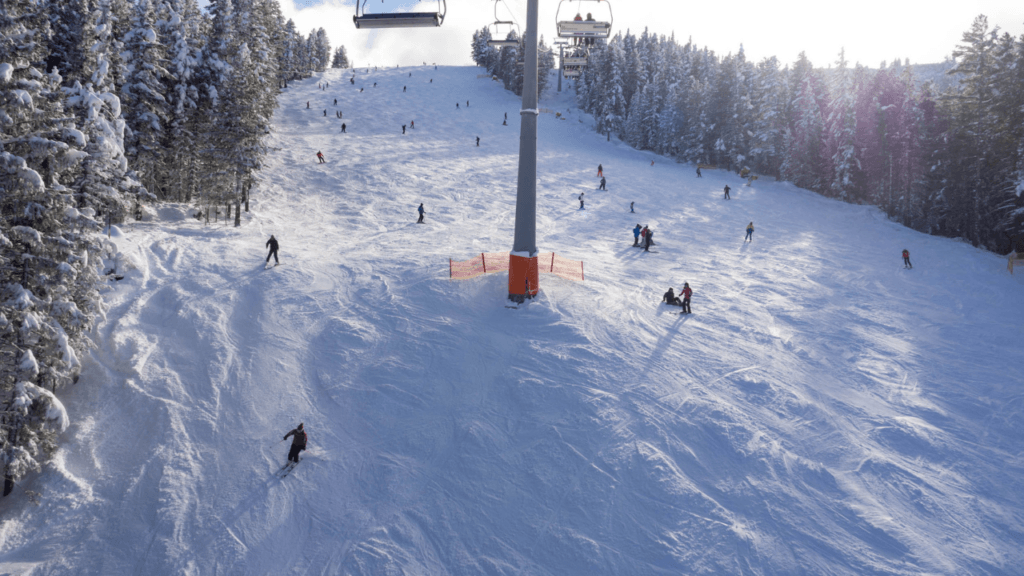
I’m convinced Bansko was built in a lab specifically for remote workers. Originally just a sleepy ski resort town, it has exploded into one of the most densely populated nomad hubs on the planet.
Why? Because it’s ridiculously affordable and the community is baked right into the town’s DNA. You can rent a gorgeous apartment for under $400 a month. Plus, the coworking spaces here—like the legendary coworking chalets—feel more like summer camps for adults who happen to have tech jobs. Every June, the town hosts the massive Bansko Nomad Fest, drawing hundreds of location-independent folks. Now that Bulgaria is utilizing the Euro in 2026, the financial logistics are smoother than ever.
Nomad Tip: Come for the cheap winter skiing, but stay for the summer. Hiking the Pirin Mountains after clearing your inbox is a borderline spiritual experience.
2. Tirana, Albania: The Sun-Drenched Wildcard
Average Monthly Cost of Living: $1,000 – $1,300
The Vibe: Chaotic energy, endless cafes, and Mediterranean soul.
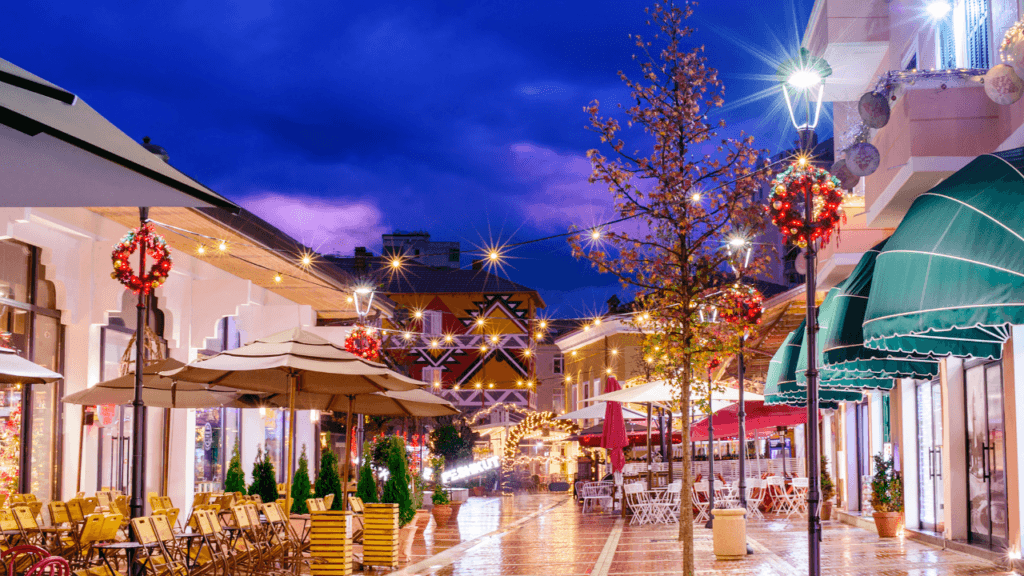
If you haven’t considered Albania yet, you are seriously missing out. Tirana is colorful, loud, and changing at lightning speed. It’s the kind of city where you can sit in a chic cafe with blazing-fast Wi-Fi, order an immaculate espresso for about $1.50, and accidentally make three new friends by lunch.
For 2026, Tirana is a massive draw because of its incredibly welcoming digital nomad visa. The minimum income requirement is floating around just $500 a month. Yes, you read that right. Compare that to Spain or Portugal, and you suddenly realize why everyone is flocking to the “Maldives of Europe.” You’re also just a short bus ride away from the Albanian Riviera when you need to swap the city streets for white sand.
3. Belgrade, Serbia: The 24/7 Hustle
Average Monthly Cost of Living: $1,200 – $1,500
The Vibe: Gritty, cool, and unapologetically alive.
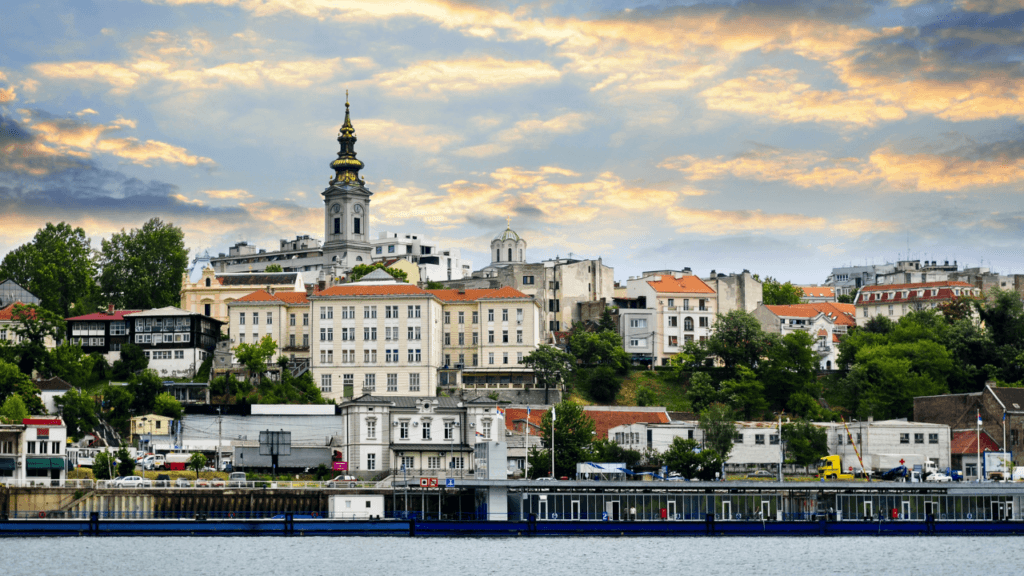
Belgrade doesn’t care if you’re tired; Belgrade wants to go out. If you thrive in big, bustling cities with a strong tech infrastructure and a nightlife scene that rivals Berlin, this is your spot.
Serbia has become a serious IT outsourcing and tech hub, meaning the cafes and coworking spaces are filled with local devs, international founders, and creatives. The city sits on the confluence of the Sava and Danube rivers, giving you plenty of floating river clubs (splavovi) to celebrate closing that big client deal. While it’s slightly more expensive than it was five years ago, your dollar still stretches incredibly far here compared to the West.
4. Sarajevo, Bosnia and Herzegovina: The Soulful Retreat
Average Monthly Cost of Living: $850 – $1,100
The Vibe: Where East meets West, dipped in history.
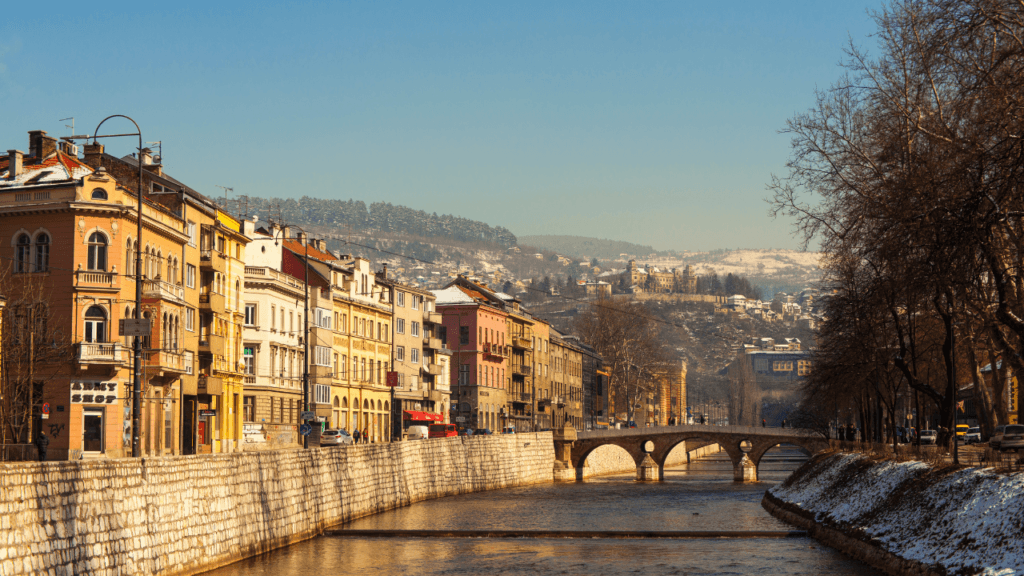
Sarajevo will steal your heart, plain and simple. Nestled in a valley surrounded by the Dinaric Alps, it’s a city where you can hear church bells and the Islamic call to prayer within the same minute.
It is a slower, deeply intentional place to work. The infrastructure is rapidly improving—tech companies are increasingly hiring remote workers right out of the city—but the cost of living remains astonishingly low. I once spent an entire afternoon working from a courtyard in Baščaršija (the old bazaar), drinking thick Bosnian coffee, and eating so much fresh burek (a savory meat pastry) that I practically had to be rolled back to my Airbnb. If you want deep culture, friendly locals, and a peaceful environment to focus on deep work, Sarajevo is unmatched.
5. Split, Croatia: The Adriatic Dream
Average Monthly Cost of Living: $1,500 – $1,900
The Vibe: Roman ruins and ocean breezes.
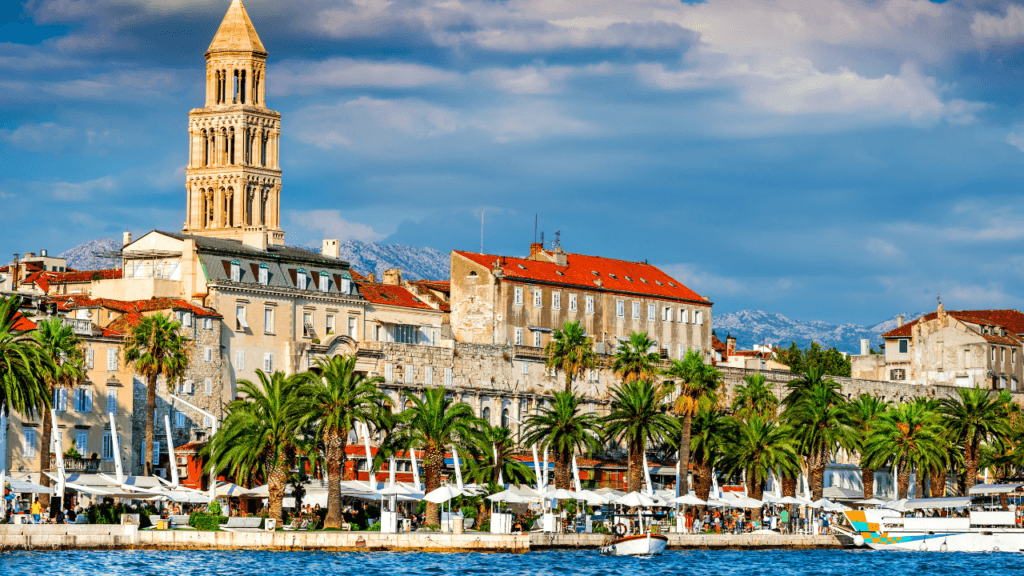
Okay, let’s talk about the slightly pricier elephant in the room. Split is more expensive than the other cities on this list, but compared to living on the coast of Italy or France, it’s a total steal.
Croatia was one of the first countries in the region to launch a dedicated digital nomad permit, allowing you to stay for up to 18 months. Sitting inside the walls of Diocletian’s Palace (a literal 4th-century Roman monument) with your laptop open is a surreal flex. The internet speeds are fantastic, the English proficiency is incredibly high, and when you log off at 5 PM, you can dive straight into the crystal-clear Adriatic Sea. It is the ultimate work-life balance upgrade.
Ready to Pack Your Bags?
The days of guarding your laptop in overpriced London coffee shops are behind you. Choosing to be a digital nomad in the Balkans means choosing community, geographic beauty, and a lifestyle that actually allows you to breathe.
Whether you want the mountain focus of Bansko, the cafe culture of Tirana, or the coastal luxury of Split, this corner of Europe is wide open and waiting for you in 2026. Just do yourself a favor: pace yourself on the local spirits, or your morning Zoom meetings are going to be a lot rougher than you planned.