Imagine standing in the heart of a sun-drenched plaza in Zagreb, where the morning mist still clings to the cobblestones. Suddenly, a sea of bright red umbrellas unfurls like a blooming garden. This is the Dolac Market, the largest of its kind, where the air is a heavy perfume of wild pine, sweet clover honey, and the sharp, comforting scent of freshly baked bread. For the discerning traveler, navigating the world of balkan market european foods is more than a shopping trip; it is a sensory immersion into a “village core” lifestyle that modern urban centers have long forgotten.

In 2026, the global shift toward “farmer core” and sustainable cooking has made the Balkan Peninsula the ultimate destination for those seeking a Balkan specialty straight from the source. However, the true luxury of this journey lies in the execution. Picture a group of friends arriving at a bustling bazaar in Mostar, only to find the best local tavernas fully booked and the language barrier making it impossible to source specific European market ingredients. Spontaneity is charming until it becomes a logistical nightmare. To truly unlock the secrets of Eastern European food without the frustration of “winging it,” strategic planning and professional guidance are your most valuable assets.
Whether you are hunting for Balkan cuisine recipes in Sarajevo or capturing the “farmer core aesthetic” at a rural garden in Montenegro, here is your definitive guide to mastering the market and protecting your investment.
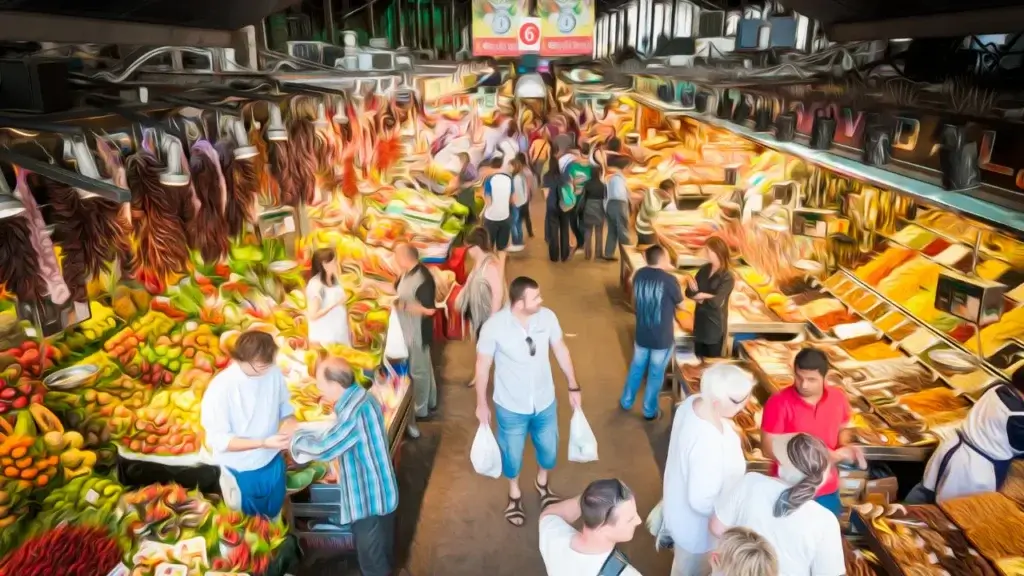
1. The Red Umbrellas of Dolac: Zagreb’s Crown Jewel
The journey into balkan market european foods must begin in Croatia’s capital. Dolac Market is a living masterpiece of local life. Here, Croatian farmers arrive before dawn with produce so vibrant it looks painted. You won’t find the sanitized, plastic-wrapped uniformity of Western supermarkets. Instead, you find mounds of asymmetrical, sun-ripened tomatoes and jars of Balkan honey (med) that vary in color from pale straw to deep amber.
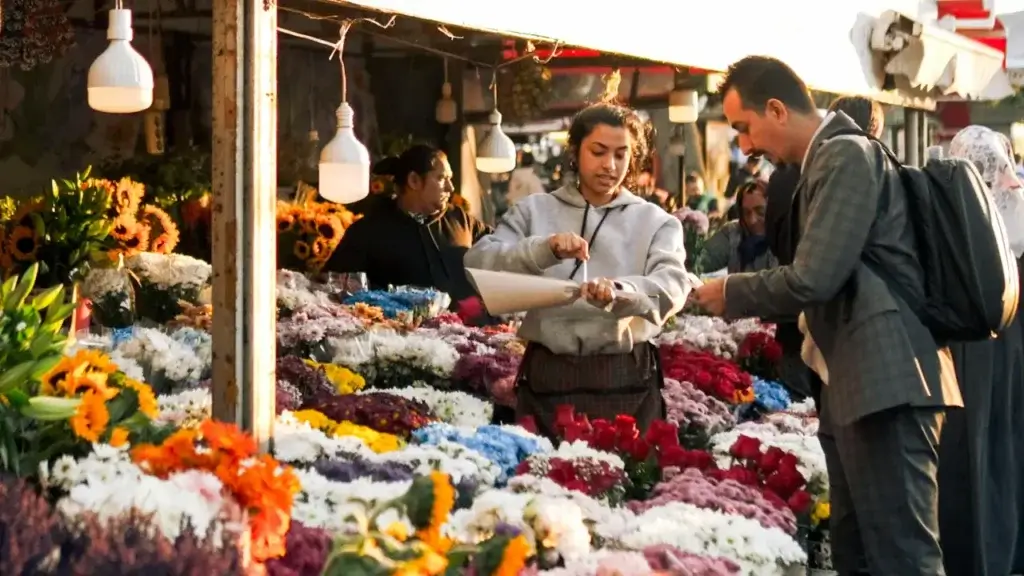
Pro Tip: This market is a cash-only environment where very little English is spoken. Elite travelers bypass the confusion by booking a private walking tour. A local guide acts as your cultural translator, helping you navigate the “point and smile” system while securing the freshest European market shopping finds before the midday crowds arrive.
2. Traditional Balkan Foods: The Holy Trinity of Ajvar, Kajmak, and Burek
When people talk about the Balkan market food experience, they are really talking about the flavor profile of the region’s “Holy Trinity.”
- Ajvar: A refreshing, savory relish made from roasted red peppers and eggplant.
- Kajmak: A creamy, unripened dairy product similar to clotted cream, often made on small family farms.
- Burek: The legendary breakfast staple—flaky phyllo pastry stuffed with meat, cheese, or spinach.
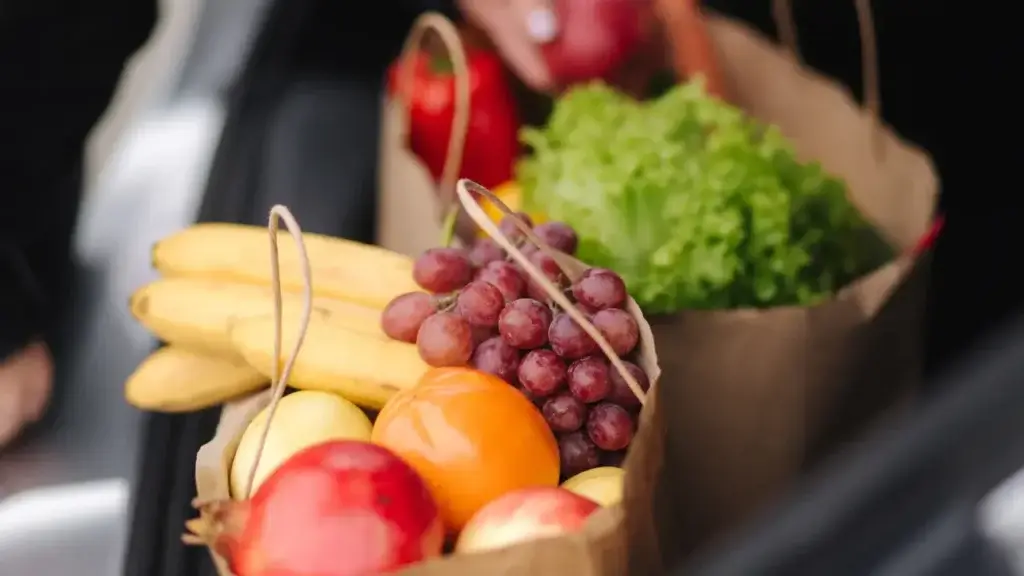
Sourcing these as a Balkan specialty requires knowing which stallholders produce their goods using ancestral techniques. In markets like Baščaršija in Sarajevo, the “smoke and spice” of the Ottoman era is still palpable. To ensure you don’t miss the high-demand artisan batches, use the GetYourGuide links on this page to secure a dedicated food discovery tour.
3. The “Village Core” of Romania: Transylvanian Delights
The “farmer core aesthetic” reaches its peak in the quaint villages of Romania, such as Sibiu and Sighisoara. These towns mimic fairytales, but the food is grounded in the “rustic food” tradition of self-sufficiency. Romanian markets are famous for mouth-watering (and surprisingly cheap) cheeses and cured meats.
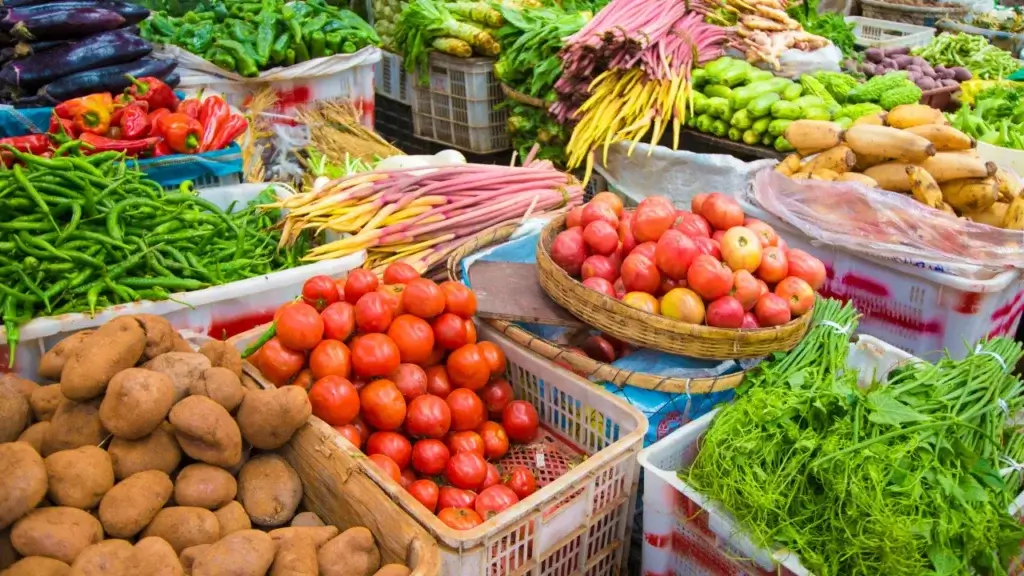
The people here are incredibly generous, often inviting travelers to taste a “rustic food” meal or a shot of local spirit. To capture the authentic soul of Transylvania without the crowds of mainstream Europe, consider a private Balkan tour that takes you off the beaten path into the heart of the Carpathian mountain communities.
4. Coastal Secrets: Korcula’s Liquid Gold
Moving south to the Croatian Adriatic, the island of Korcula offers a masterclass in sustainable cooking. The island is blanketed in dark pine forests and terraced vineyards enfolded by ancient dry stone walls.
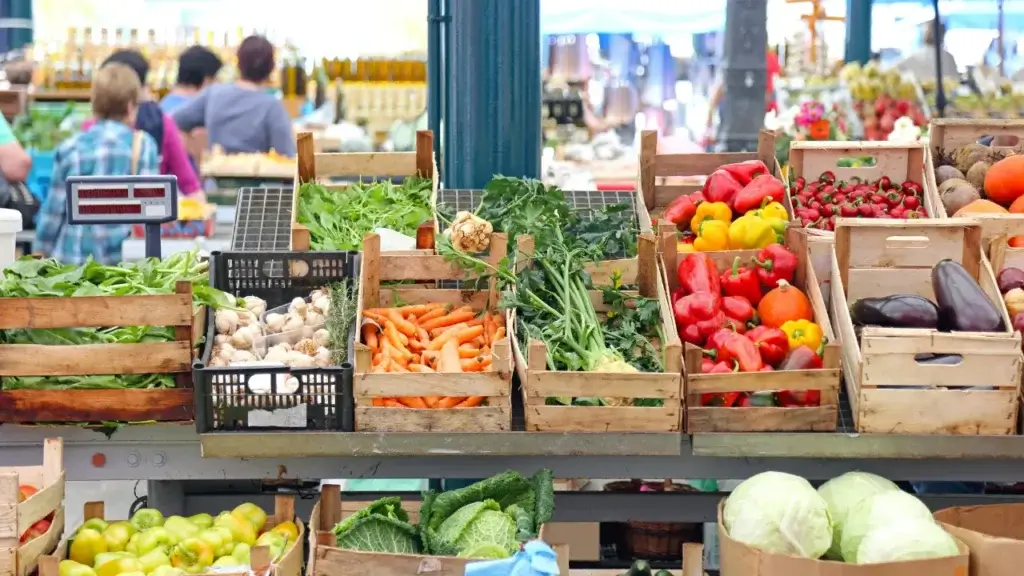
For those seeking unique European market ingredients, Korcula is the exclusive home of Grk and Posip—two world-class white wines that flourish in the island’s rich soil. Visit the neighborhood cheese and wine shops in Vela Luka to discover exceptional olive oils that give every dish a “gourmet note”. Because these boutique batches are produced in limited quantities, pre-booking a wine-tasting excursion is the only way to guarantee a seat at the table.
5. Bit Pazar and the Ottoman Legacy in Skopje
In North Macedonia, the Bit Pazar market in Skopje is a vibrant, chaotic explosion of color and culture. It is one of the largest markets in the Balkans, echoing the city’s Ottoman past with stalls full of traditional crafts and Traditional Balkan foods.
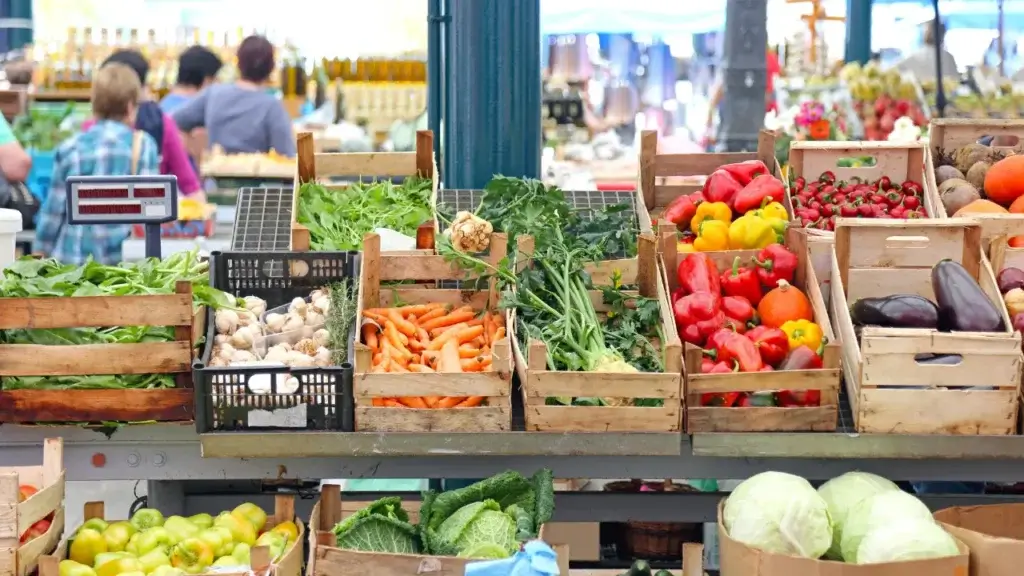
Here, you can find the “queen of the kitchen”—the red pepper—in every imaginable form. The abundance of sunny days and fertile soil produces vegetables of such high quality that exporting them is a pillar of the national economy. Walking through Bit Pazar with a professional guide allows you to understand the “historical map” of the food, tracing influences from Turkey and Greece back to the local soil.
6. The Heartbeat of Belgrade: Zeleni Venac
To experience the urban rhythm of Serbia, you must visit the Zeleni Venac Farmer’s Market in Belgrade. Unlike the more touristy zones, this market feels “hip and edgy,” mirroring the city’s energy.
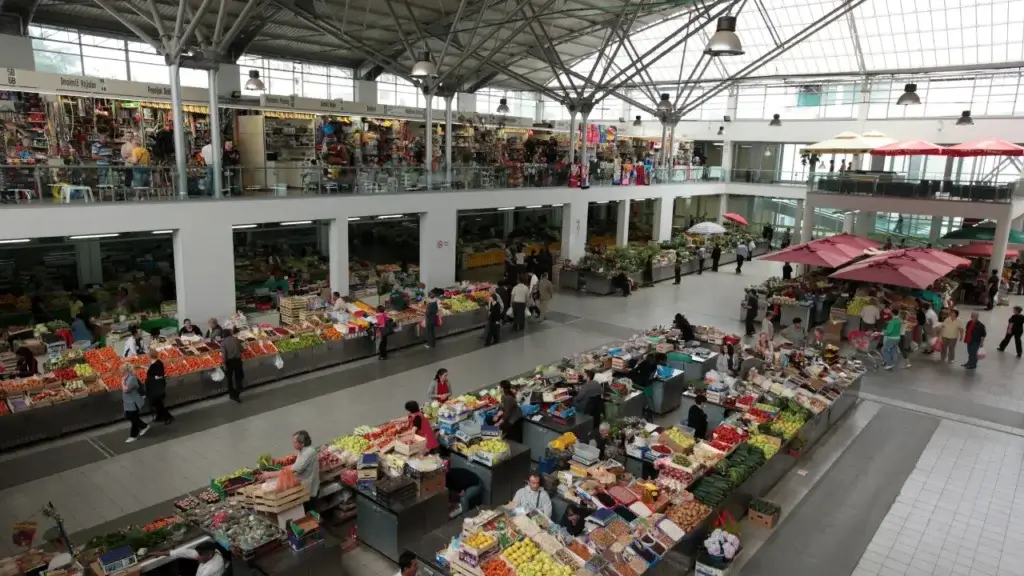
It is the perfect place to source ingredients for Balkan cuisine recipes, such as Shopska salad (tomatoes, cucumber, and heavy white cheese) or the spices needed for authentic ćevapi (succulent grilled sausages). After your market run, retreat to a trendy riverside spot like Beton Hala for a coffee, or enjoy a “Traditional Macedonian Night” with live folk music.
7. Sustainable Cooking and the Balkan Spirit
The balkan market european foods tradition is built on a “scarcity mindset” that has evolved into a culture of profound abundance and hospitality. Locals are famously generous; it is common to be offered a glass of rakija (the national fruit spirit) as a gesture of welcome.
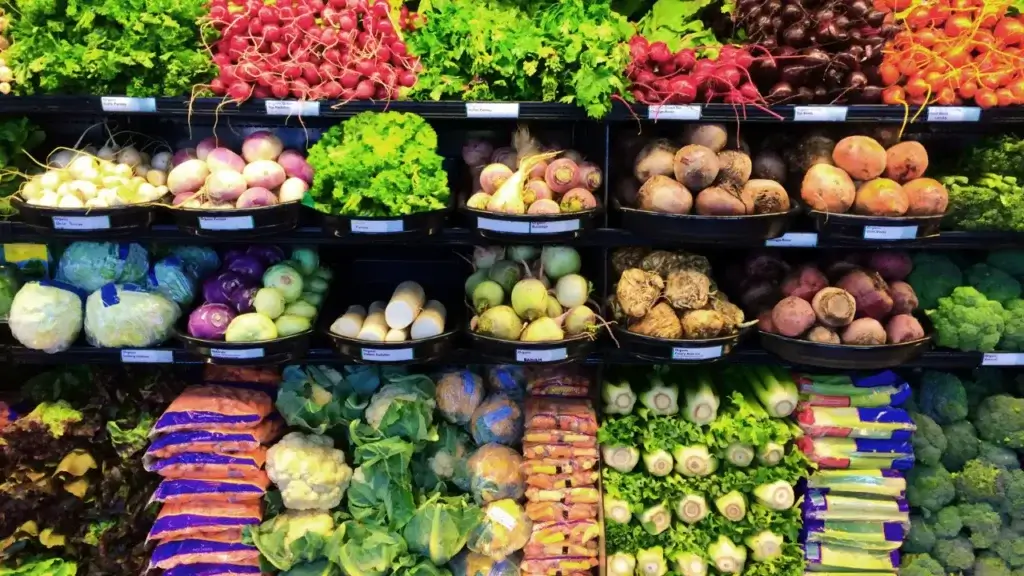
This hospitality is genuine and “old school”. Whether you are in a small mountain village in Montenegro or a busy street in Tirana, people will go out of their way to help you without any expectation of reward. This “national duty” of kindness makes the Balkans one of the safest and most rewarding regions for the modern explorer.
8. The High Cost of “Winging It” on Your Trip
While the idea of wandering aimlessly through an Eastern European food market is romantic, the reality of 2026 travel is that high-demand experiences sell out. UNESCO-protected sites like the Old Town of Dubrovnik or the Stari Most in Mostar reach capacity early in the day.
Time-wealth is your most precious asset. Why spend three hours in a ticket queue when a pre-booked local expert can whisk you past the lines? By delegating your logistics—from VIP market tours to private boat transfers—through GetYourGuide, you instantly eliminate the stress of the unknown. Do not leave your dream vacation to chance; click our affiliate links to book your elite tours and reclaim your peace of mind.
9. The Ultimate Safeguard: Premium Travel Insurance
When you invest significant capital into securing boutique accommodations on Korcula or high-end culinary tours in Sofia, protecting that investment becomes your highest priority. Leaving your balkan market european foods adventure exposed to unpredictable global events is a devastating tactical error.
Travel insurance is no longer an optional luxury; it is a mandatory financial safety net.
- Defeating Medical Emergencies: A sudden illness from an unfamiliar spice or a slip on a damp market floor can lead to massive foreign hospital bills ]. Premium insurance ensures you receive top-tier care without draining your bank account.
- Pre-Existing Conditions: Many mature explorers worry their health history prevents them from traveling. Elite plans, like those from INF Visitor Insurance, are specifically engineered to provide coverage for the acute onset of pre-existing conditions, granting travelers absolute confidence abroad .
- Border Entry Compliance: For many countries in the European Schengen zone, verified proof of robust travel medical insurance is a strict, mandatory legal requirement for entry [Turn 9, 399].
- Cancellations and Loss: If a storm delays your flight to Belgrade or an airline loses your luxury luggage, comprehensive policies like those from SafetyWing or Policybazaar reimburse you for non-refundable bookings
10. Seasonal Strategy: When to Visit the Balkans
To capture the “rural garden” aesthetic at its peak, timing is everything. Late spring and early autumn (the shoulder seasons) offer the best mix of beautiful weather and lower prices.
During these months, the markets are overflowing with the harvest, but the crowds from the massive cruise ships have not yet overwhelmed cities like Kotor or Dubrovnik. This allows you to “slow down and recharge,” enjoying the sea and “do nothing” time (fiaka) that is so essential to the Balkan way of life.
Conclusion: Reclaim Your Authentic Balkan Journey
The world of balkan market european foods is a spectacular tapestry of ancient stone walls, wild waterfalls, and vibrant, heart-shaped cities. By looking beyond the generic tourist traps and executing a strategic plan, you unlock the true value of travel. Whether you are tasting fresh spider crab in a Bulgarian market or sipping unfiltered coffee in a Bosnian bazaar, these experiences deliver profound rewards—but only when executed correctly.
Stop dreaming of the perfect “village core” getaway and start executing your strategy. Protect your hard-earned travel investment by comparing and purchasing premium travel insurance online today. Then, instantly secure your elite, skip-the-line market tours through GetYourGuide to guarantee your spectacular 2026 Balkan adventure.