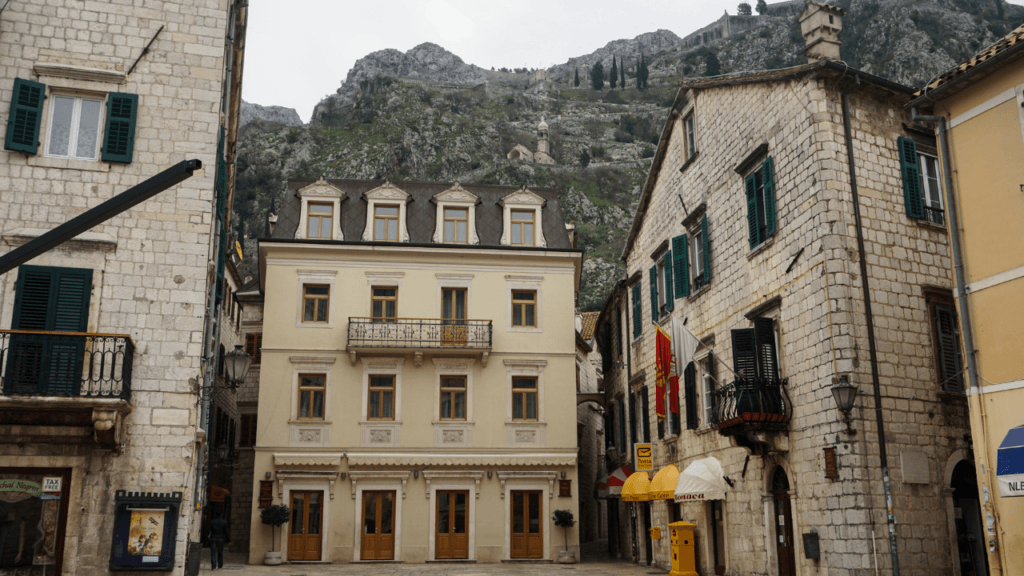
Imagine waking up to the sound of bells tolling across a fjord-like bay, where limestone cliffs drop vertically into sapphire waters. You are sitting at a stone-walled café in a 13th-century plaza, sipping a world-class espresso while your fingerprints remain blissfully unscanned by a border kiosk. This is the reality of the “Power Traveler” in 2026. While the rest of Europe grapples with new biometric regulations, Kotor, Montenegro, remains the ultimate restorative sanctuary for those seeking Time-Wealth and a strategic Schengen Reprieve.
The 2026 Strategic Advantage: Why Kotor Now?
The landscape of European travel shifted on April 10, 2026, with the full implementation of the EU’s biometric Entry/Exit System (EES). For non-EU nationals, this has introduced a layer of “digital friction”—self-service kiosks and biometric registration that can lead to grueling queues at major Western European hubs.
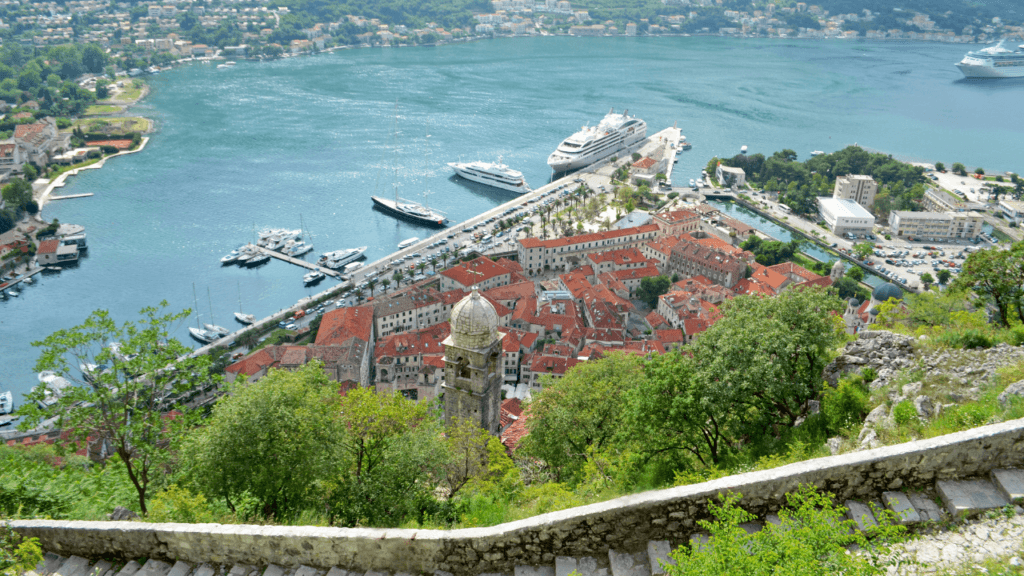
Savvy travelers are pivoting. Montenegro, as a non-Schengen nation, offers a vital loophole. Spending time in the Bay of Kotor allows you to “reset” your 90-day rolling stay limit while avoiding the biometric bottlenecks of the larger airports. By choosing Kotor, you aren’t just picking a destination; you are making a tactical move to maintain your mobility across the continent.
Technical Depth: Climbing the Walls of San Giovanni
In a world of over-polished, “Instagram-fake” resorts, Kotor offers what we call Technical Depth. This isn’t a “fly and flop” destination. To truly experience Kotor, you must pay the “entry fee” of physical effort.
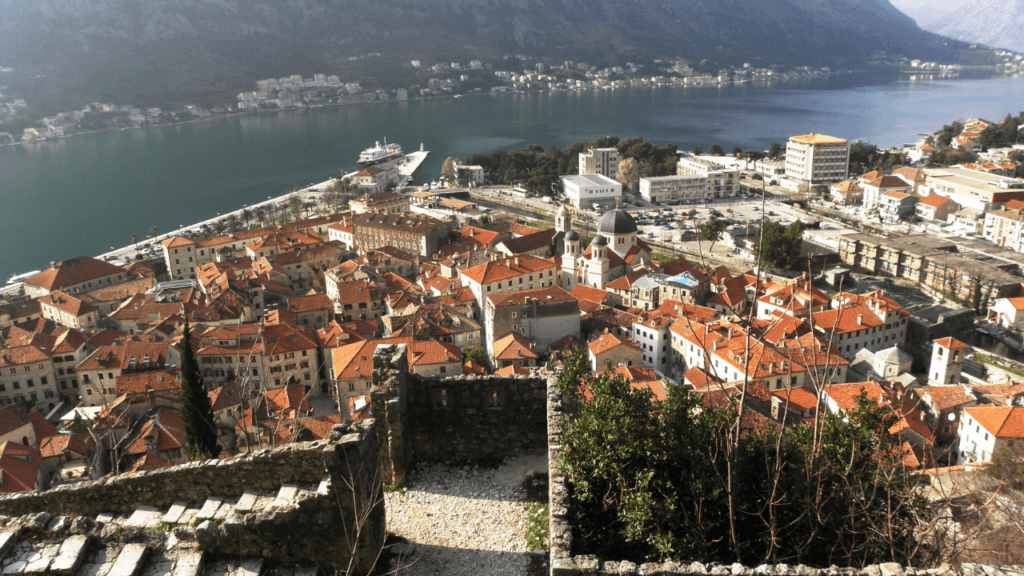
The climb to St. John’s Fortress (Castle of San Giovanni) involves 1,355 ancient stone steps. It is a grueling vertical slog that keeps the low-effort cruise ship crowds at bay. At the summit, the reward is a “no-filter” reality: a panoramic view of the Boka Bay that looks like a Venetian masterpiece frozen in time. The air here is crisp, the history is palpable, and the sense of accomplishment is restorative in a way that a curated resort can never match.
The Art of “Fiaka” and Radical Hospitality
One of the most profound cultural shocks for Western travelers in Kotor is the local philosophy of Fiaka—the Dalmatian art of doing absolutely nothing while remaining completely present. In the West, efficiency is the gold standard; in Montenegro, the standard is human ease.
You will see it in the local cafés. A waiter might notice your phone is dying and offer to charge it behind the bar, bringing you a free dessert and telling you there is “no hurry” to leave. This is Radical Hospitality. In this region, there is a distinct, almost reflexive “masculine energy” that is protective and leader-driven without an underlying agenda. It is common to see a local man instinctively grab the heavy end of a stroller to lift it over limestone steps or offer directions with quiet respect before moving on.
This “community fussiness”—where society worries about the well-being of others—creates a restorative environment where safety is a standard, not a luxury. It is a rare relief to walk through a city where you can truly relax your guard.
Kotor’s Quirky Soul: Cats, Maritime History, and Perast
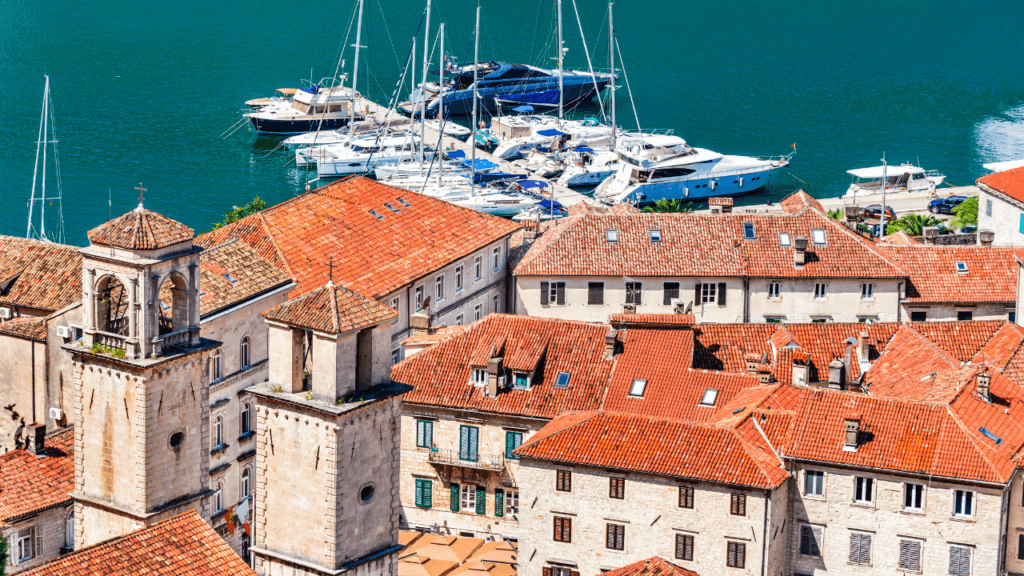
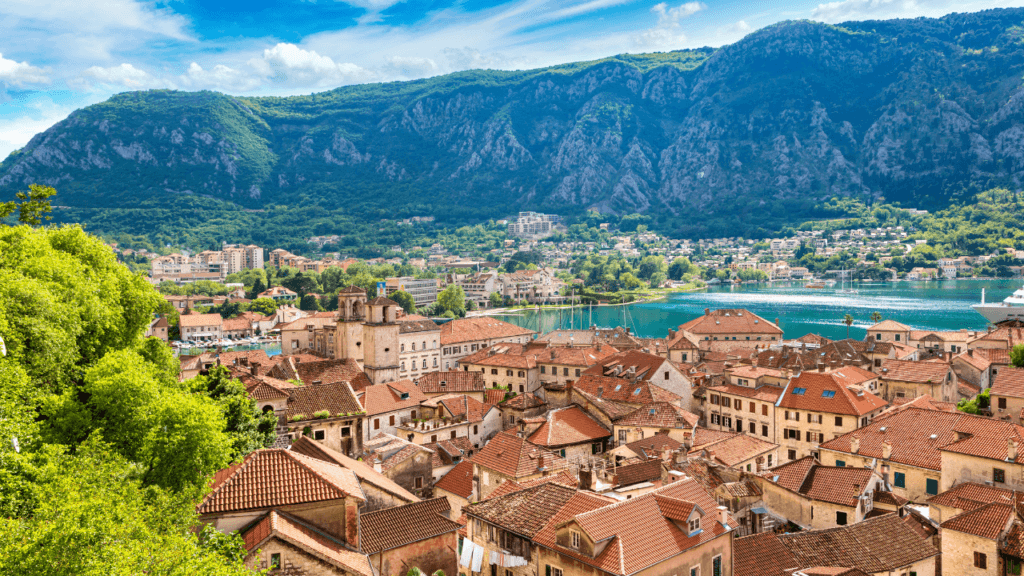
Kotor is a city of layers. It is famously home to a massive population of protected cats, even hosting a dedicated Cats Museum. Within the fortified walls, you’ll find a maze of narrow alleys, maritime museums housing centuries of Adriatic secrets, and the stunning St. Tryphon Cathedral.
Just a 20-minute drive or bus ride away lies Perast, a car-free masterpiece of Venetian architecture. While Kotor is a bustling hive of history, Perast is a silent sanctuary. Hiring a small wooden boat at sunset to visit Our Lady of the Rocks—a church built on a man-made island of sunken ships—is an essential experience for anyone seeking the unpolished truth of the Balkans.
Essential 2026 Travel Intelligence
- The Cash Paradox: Despite the digital trend in Western Europe, Montenegro remains a cash-dependent culture. Outside of the major hotels, card acceptance is rare, and ATM fees are notoriously high. Take out larger sums at once to minimize transaction costs.
- Specialized Insurance: If you are a mature traveler over age 70, standard travel insurance often fails to provide adequate coverage for the rugged terrain of the Balkans. Specialized plans like INF Elite are the gold standard here, offering protection for seniors up to age 99, including coverage for pre-existing conditions.
- The Bus vs. Rail Reality: Montenegro’s railroad infrastructure is underdeveloped. The tour bus is your primary lifeline. While online timetables are often outdated, the most successful strategy is the “paper and pen” hack: write your destination on a slip of paper and confirm the time with the station master the day before.
- ETIAS Readiness: While EES is live now, the ETIAS travel authorization is slated for late 2026. If you are traveling in the first half of the year, you have one less layer of digital paperwork to manage, making this the “golden window” for a Balkan escape.
Conclusion: “It’s Stupid and I Like It That Way”
There is a stubborn refusal in the Balkans to “undumb” or sanitize their culture for mass consumption. The roads might be a bit rough, the steps might be steep, and the bureaucracy might feel like a technical slog. But it is this very lack of polish that makes Kotor so valuable.
In 2026, the real luxury isn’t a five-star resort; it is the freedom to experience a place that is gritty, authentic, and real. Kotor doesn’t just offer beautiful views—it offers a restorative community safety net that is becoming increasingly rare in the modern world.
Make your trip fun, educational, and unforgettable!
To do so, simply click the link below (Select a destination). Once you open the link, choose and enter the destination you would like to visit. You will then be directed to a page hosted by the renowned company “Get Your Guide,” where you will find a variety of organized tours in that area and all of it is online, without waiting in long lines and without wasting time.
These tours are led by highly trained guides who will be at your disposal and will share a wealth of information you may not have known before.
–
–
💬 WE WANT TO HEAR FROM YOU! Are you ready to trade the digital friction of Western Europe for the “Fiaka” of the Adriatic? Have you ever visited a destination where the “entry fee” of effort made the experience ten times richer? Let us know in the comments below! 👇
#KotorMontenegro #SlowTravel #SchengenReprieve #Balkans20267 #TravelStrategy #HiddenGemsEurope #FiakaLife #RadicalHospitality